
International Amateur Radio Club
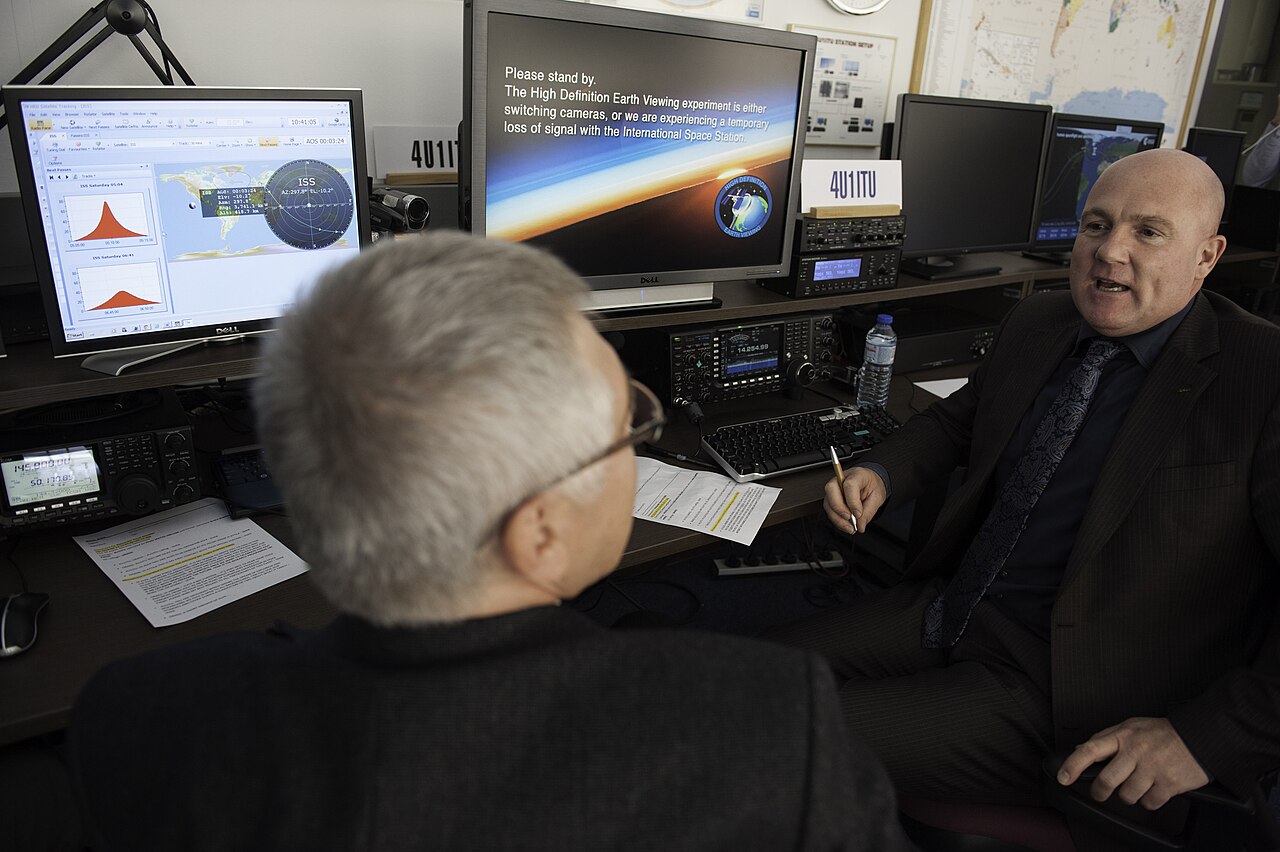
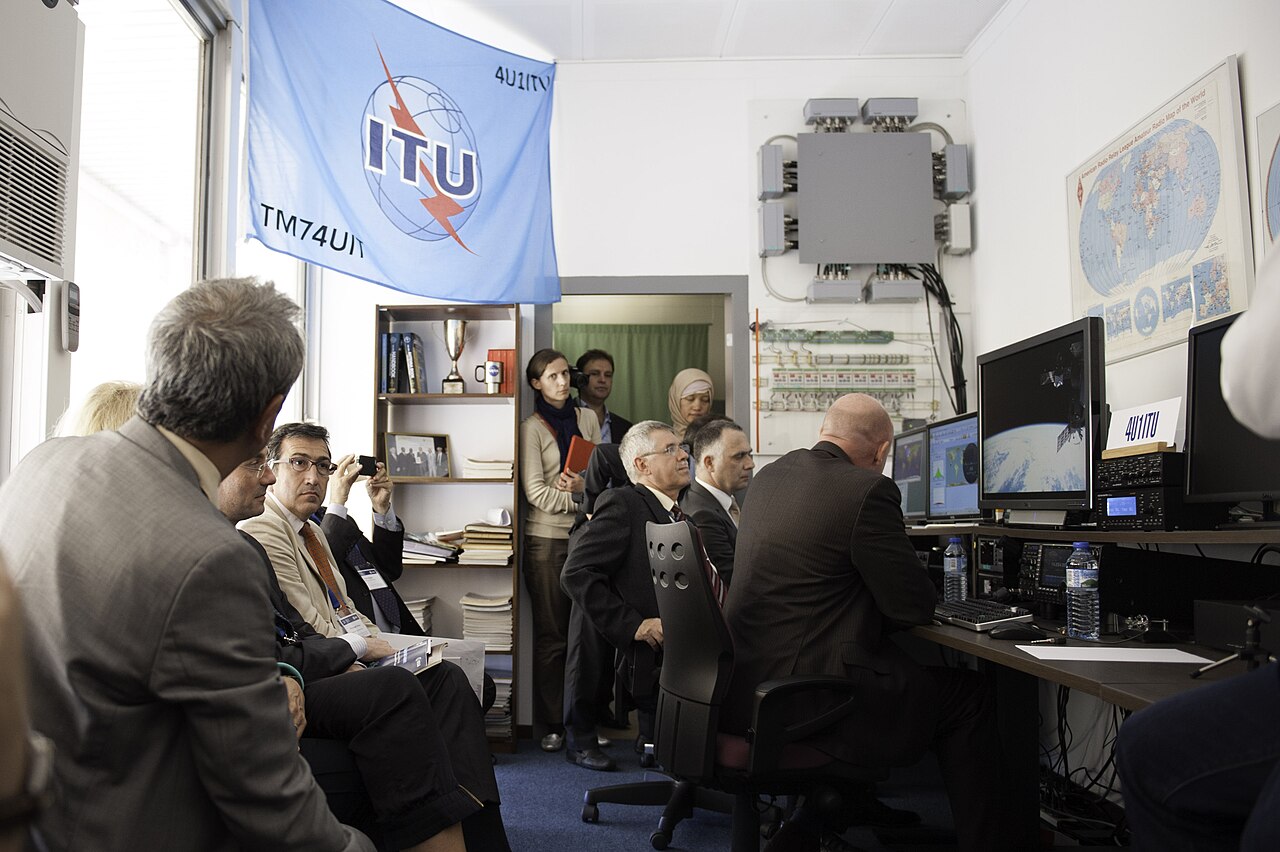
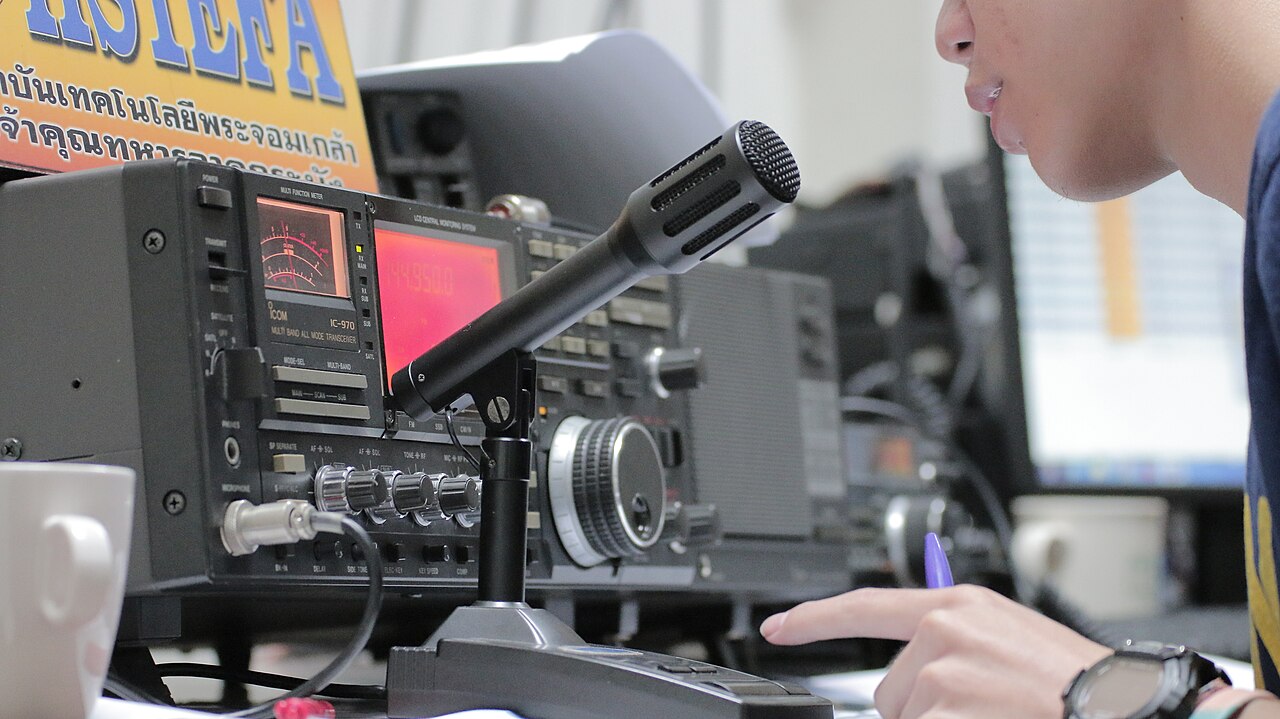
Amateur radio station 4U1ITU at the ITU building in Geneva.

Mr Vishnu Murthy · CC BY-SA 4.0
The International Amateur Radio Club (IARC) runs the amateur radio station 4U1ITU, which is located inside the International Telecommunication Union building in Geneva, Switzerland. The station was set up with the backing of the United Nations Secretary-General and the ITU Secretary-General, and its purpose is to act as a demonstration of how amateur radio should be operated. In many radio contests, operators can treat 4U1ITU as a special entity, and because of its importance to global communications, it is given a status similar to that of a separate country when making a contact. The IARC is one of only two United Nations stations granted this status; the other is 4U1UN at the UN Headquarters.
Quick Facts
- Abbreviation
- IARC
- Leader Title
- Head
- Leader Name
- Mr. Attila MATAS, OM1AM
- Formation
- 1961
- Parent Organization
- International Telecommunication Union
Facts from the source article.
Lore & Background
The International Amateur Radio Club (IARC) operates the station 4U1ITU from the International Telecommunication Union headquarters in Geneva, Switzerland. The station was established under the joint auspices of the Secretary-General of the United Nations and the Secretary-General of the International Telecommunication Union, with the aim of serving as a model of amateur radio operation. In many radio contests, amateur radio operators are allowed to consider 4U1ITU a special entity, and because of its significance to world telecommunications it is given similar status to a separate country when making a radio contact. IARC is one of two United Nations stations considered for such status, the other being 4U1UN at the Headquarters of the United Nations.
Reader's Guide
The International Amateur Radio Club's station 4U1ITU holds a unique position in amateur radio due to its location at the International Telecommunication Union building in Geneva and its creation under the auspices of the United Nations and ITU leadership. Its significance is underscored by the special status it receives in radio contests, where it is treated similarly to a separate country for contact purposes, reflecting its importance to world telecommunications. This status is shared only with 4U1UN at the United Nations Headquarters, making IARC one of just two UN stations granted such recognition. The station's role as a model of amateur radio operation further cements its legacy, demonstrating the intersection of amateur radio with international telecommunications governance. Through its operation, the club provides a tangible link between amateur radio enthusiasts and the global regulatory body that oversees radio communication.
Did You Know?
- The International Amateur Radio Club operates the amateur radio station 4U1ITU at the ITU building in Geneva, Switzerland.
- In many radio contests, 4U1ITU is considered a special entity with status similar to a separate country.
- IARC is one of two UN stations considered for such special contest status, the other being 4U1UN at UN Headquarters.
The Birth of a Nickname and a Community
The world of amateur radio is home to roughly three million licensed operators who engage in two-way personal communications on frequencies set aside for the amateur service. To earn the right to operate, individuals must pass an examination covering regulations, electronics, radio theory, and practical operation, administered by a governmental regulatory body. Upon licensing, each operator receives a unique call sign that serves as their identity on the airwaves. The community's most enduring nickname, "ham," carries an ironic history. It began as a derogatory label used by commercial and professional radio workers, echoing the way "ham actor" mocks an unskilled performer, and traces back to the era of wired telegraphy. By the 1920s, however, the very people it was meant to belittle embraced the term with pride, and it has remained the universal shorthand for the hobby ever since. This transformation from insult to badge of belonging encapsulates the self-reliant, grassroots spirit that defines amateur radio culture.
A Globe Unevenly Covered
The geographic footprint of amateur radio is strikingly uneven. The bulk of the world's three million operators cluster in the United States, Japan, and across East Asia, North America, and Europe. When measured as a share of national population, Slovenia, Japan, the United States, Canada, and Denmark lead the rankings. Access, however, is far from universal. Yemen and North Korea flatly prohibit their citizens from obtaining amateur radio licenses, while Eritrea, though not formally banning the hobby, makes it practically impossible to become licensed, resulting in zero registered operators. Turkmenistan and Myanmar host very few, if any, licensed hams. In many other nations, the barrier is not outright prohibition but bureaucracy—cumbersome processes and prohibitive fees that push the hobby out of reach for ordinary citizens. Most countries do allow foreign nationals to sit for their licensing exams, yet very few operators hold credentials in more than one nation, underscoring how deeply the hobby remains anchored to local regulatory frameworks.
An Aging Airwaves and the Push for Younger Voices
One of the most pressing challenges facing the amateur radio community is its demographic profile. In many European nations, the average operator is approaching seventy years old, and in some countries the figure sits at sixty-eight. This aging cohort has produced a slow but steady erosion of membership in industrialized nations, with German statistics—widely regarded as the most reliable—estimating a net annual decline of one to one and a half percent. The situation is somewhat masked in countries that do not charge yearly renewal fees, where attrition is less immediately visible. In response, national radio societies have launched targeted youth programs. The American Radio Relay League runs an Amateur Radio Education and Technology Program, while the World Wide Young Contesters organization fosters competitive contesting among European teenagers. Perhaps the most visible bridge to younger generations is the partnership with the Scouting movement: the World Organization of the Scout Movement's annual Jamboree on the Air, held each October, connects roughly half a million Scouts and Guides through amateur radio, making it Scouting's single largest activity.
OM, YL, and the Language of the Hobby
Amateur radio has long been a predominantly male pursuit, and the statistics reflect that reality. In China, women account for roughly twelve percent of licensed operators, while in the United States the figure is approximately fifteen percent. To support and celebrate female participation, the Young Ladies Radio League operates as an international organization dedicated to women in the hobby. The community has also developed a distinctive shorthand rooted in Morse code telegraphy. A male operator, regardless of his actual age, is traditionally called an OM, short for "old man." A single female operator is a YL, from "young lady," again irrespective of age. A married woman who holds her own license may be called an XYL, though the term is also commonly used to refer to the wife of a licensed ham whether or not she has earned her own credentials. These informal labels, born in the era of telegraphy, persist as a warm, self-referential vocabulary that reinforces the tight-knit, family-like atmosphere of the amateur radio world.
Gallery
Frequently Asked Questions
Who is the International Amateur Radio Club?
The International Amateur Radio Club (IARC) is the organization that operates the amateur radio station 4U1ITU out of the ITU headquarters in Geneva, Switzerland. It exists to showcase best practices in amateur radio operation on a global scale.
Where is 4U1ITU physically located?
The station sits inside the International Telecommunication Union building in Geneva, Switzerland, making it one of the few amateur radio stations housed within an intergovernmental organization's premises. It is run day-to-day by the IARC.
What is the stated purpose of the IARC's 4U1ITU station?
The station was established to serve as a living demonstration of how amateur radio ought to be conducted. It highlights proper operating techniques and the collaborative spirit of the hobby to a worldwide audience.
How do contest operators treat a contact with 4U1ITU?
In most major radio contests, a QSO with 4U1ITU counts as a special-entity or country-equivalent contact. This elevated status makes the station a highly sought-after target during competitive events.
Who authorized the creation of 4U1ITU?
The station was brought into existence under the joint backing of the United Nations Secretary-General and the ITU Secretary-General. Their endorsement underscores the station's role as a symbol of global communications cooperation.
More in Amateur Radio Organizations 1-24
Spotted an error? Know more?
Reader corrections go straight into our review queue. Suggest an edit · How this site is sourced