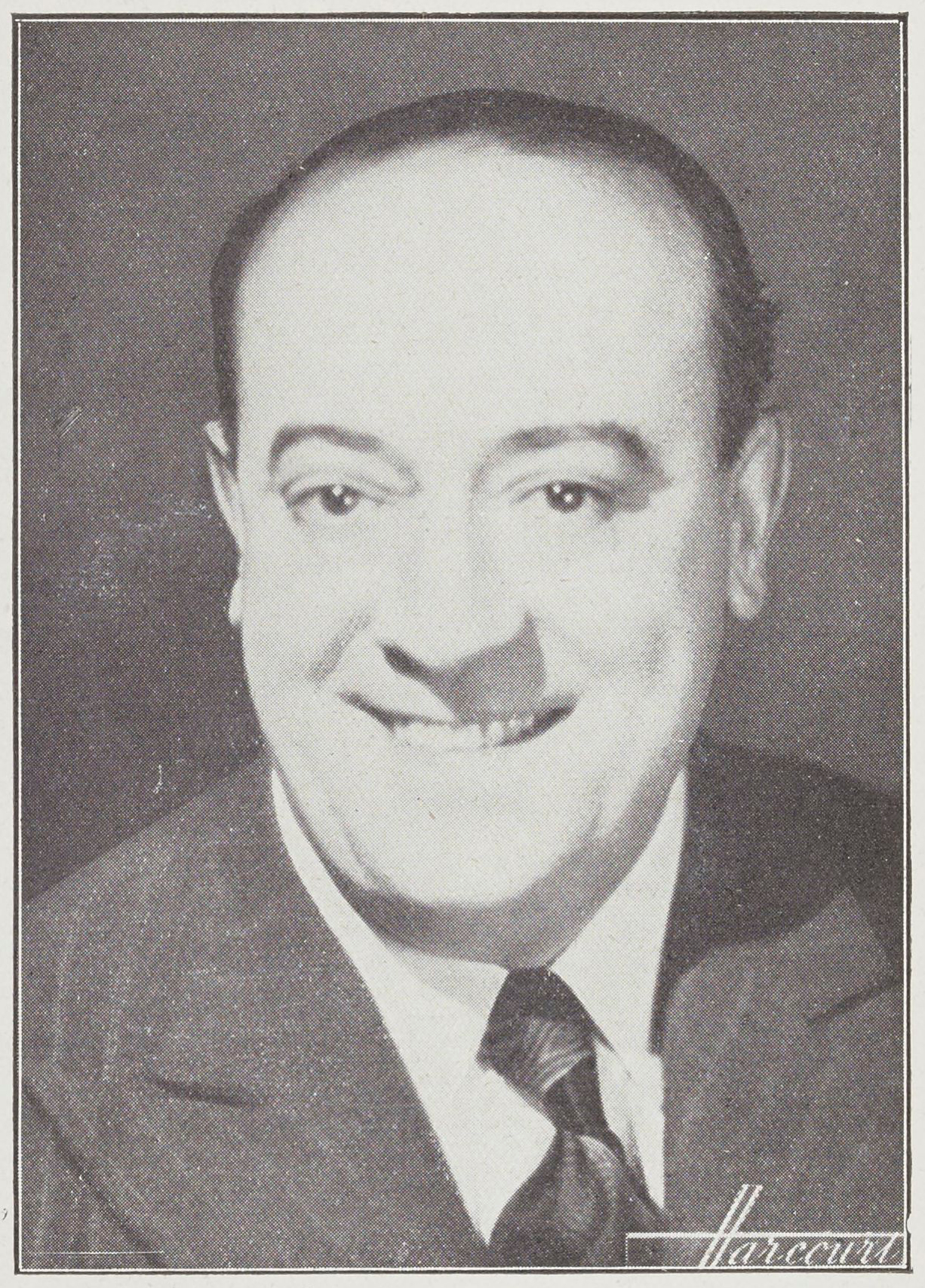
France-Albert René
President of Seychelles who seized power in a 1977 coup.

via Wikipedia: France-Albert René · see source
France-Albert René was born on 16 November 1935 in Victoria, on the island of Mahé, then part of the British Crown Colony of Seychelles. His father, Price René, managed a plantation, and his mother, Luisa Morgan René, worked as a seamstress. He spent his early years on Farquhar Atoll before moving back to Victoria at age five, where he attended St Joseph's Convent and Saint Louis College. At 17, he won a scholarship to study theology at the Capuchin Seminary of St. Maurice in Valais, Switzerland. After a year, he transferred to St Mary's College in Southampton, England, to study law, graduating from King's College London in 1957. He then spent four years at Middle Temple as a barrister. While overseas, he got involved with the Labour Party under Clement Attlee and later Hugh Gaitskell, which shaped his moderate socialist views—favoring some state control of the economy while maintaining ties with conservative institutions like the Roman Catholic Church (he had originally wanted to become a priest). Later in his career, he openly criticized local church leaders who opposed his policies. From 1962 to 1964, he studied economics at the London School of Economics. Returning to Seychelles in 1964, he started a law practice in Victoria and, frustrated by social injustices under British colonial rule, entered politics. Around this time, he also founded a newspaper called *The People*.
In 1964, René helped found the Seychelles People's United Party (SPUP), which later became United Seychelles, campaigning for socialism and independence from Britain. That same year, James Mancham formed the Seychelles Democratic Party (SDP), representing conservatives, businessmen, and planters who wanted closer ties with Britain. René was elected to the colony's legislative assembly in 1965 and pushed for self-government and independence. The SDP won the 1966 elections. In 1970, Seychelles got a new constitution, universal adult suffrage, and a governing council with an elected majority. That March, colonial officials and Seychellois leaders met in London for a constitutional conference: the SDP wanted closer ties with Britain, while the SPUP demanded full independence. After the November 1970 elections, a new constitution took effect, with Mancham as Chief Minister. In 1975, René became Minister of Public Works and Land Development in a coalition government. Independence came on 29 June 1976, making Seychelles a republic within the Commonwealth. Sir James Mancham was sworn in as the first president, with René as prime minister. The islands of Aldabra, Farquhar, and Desroches, which had been transferred to the British Indian Ocean Territory in 1965, were returned to Seychelles.
Relations between Mancham and René were often strained. Once, when Mancham confronted René about practicing with rifles on an uninhabited island, René claimed he had been “shooting rabbits” and sent a brace to the president’s office. On 4 June 1977, less than a year after independence, while Mancham was in London for a Commonwealth meeting and the Queen’s Silver Jubilee, between 60 and 200 Tanzanian-trained supporters of René staged a coup, seizing key sites on Mahé. The central police station was taken “virtually without a shot being fired,” but an exchange of fire at the Mont Fleuri police station—where the arsenal was stored—left three dead: a policeman and two insurgents. Six British Armed Forces officers advising the Seychelles Police since 1976 were arrested, along with their families and Chief Justice Aiden O'Brien Quinn, an Irish judge on secondment; they were later deported to Europe. René reportedly agreed to become president on three conditions: guarantees of safety for political figures, respect for international agreements, and elections in 1978 (which were eventually held in 1979). He denied prior knowledge of the coup, though in 2019 and 2020, hearings at the Truth, Reconciliation and National Unity Commission heard a known participant acknowledge his involvement in planning and executing it. On 5 June 1977, René was sworn in as president and formed a new government. He declared he was not a Soviet-style communist but an “Indian Ocean socialist” and “socialist pan-Africanist,” influenced by Tanzanian president Julius Nyerere’s African socialism. He opposed the Anglo-American military base on Diego Garcia over nuclear concerns and sought to reduce dependence on tourism, saying he wanted “to keep the Seychelles for the Seychellois.”
Under René’s rule, his party—renamed the Seychelles People’s Progressive Front (SPPF) in 1978—was the only legal party from 1979 to 1991, largely financed by Tanzania.
- born
- 16 November 1935, Victoria, Mahé, Crown Colony of Seychelles
Verified Timeline
Lore & Background
France-Albert René was born to Price René, a plantation manager and administrator, and Luisa Morgan René, a seamstress, on 16 November 1935 in Victoria, on the island of Mahé, Crown Colony of Seychelles. He spent his early childhood in Farquhar Atoll before returning to the city at age five. At 17, he won a scholarship to study theology at the Capuchin Seminary of St. Maurice in Valais, Switzerland. After his first year, he transferred to St Mary's College, Southampton, England, to study law. In 1957, he graduated from King's College London and joined Middle Temple, where he remained for four years as a barrister. While abroad, he became involved in the Labour Party, then led by Clement Attlee and later by Hugh Gaitskell, adopting a moderate socialist ideology. From 1962 to 1964, he studied economics at the London School of Economics. Returning to Seychelles in 1964, he began practising law in Victoria and launched his own newspaper, The People. In 1964, René was a founding member of the Seychelles People's United Party (SPUP), which campaigned for socialism and independence from Britain. After being elected to the legislative assembly in 1965, he fought for self-government. In 1975, he became Minister of Public Works and Land Development of the coalition government. On independence on 29 June 1976, René became Prime Minister under President James Mancham. On 4 June 1977, while Mancham was abroad, between 60 and 200 Tanzanian-trained supporters of René staged a coup, seizing strategic sites on Mahé. Three men—a policeman and one of the insurgents—were killed. Six British Armed Forces officers advising the police were arrested and later deported with their families and Chief Justice Aiden O'Brien Quinn. René reportedly agreed to assume the presidency on three conditions: safety of political individuals, respect for international agreements, and elections in 1978 (held in 1979). He denied prior knowledge of the coup, though this was challenged in 2019–2020 at the Truth, Reconciliation and National Unity Commission. On 5 June 1977, René was sworn in as president, declaring himself an 'Indian Ocean socialist' and 'socialist pan-Africanist', oriented towards Tanzanian president Julius Nyerere.
Reader's Guide
France-Albert René's significance lies in his long rule over Seychelles, which he seized via a coup in 1977 and held until 2004. His party, renamed the Seychelles People's Progressive Front (SPPF) in 1978, was the only legal party from 1979 to 1991, largely financed by Tanzania, Algeria, Libya, and East Germany. The one-party state featured a directly elected president, but all political activity took place under SPPF authority; citizens voted on a yes-no basis, and the president wielded near-absolute executive power. Open criticism of René or his government was not tolerated. This system ensured his uncontested victories in 1979, 1984, and 1989, each with over 90% of the vote. Multiparty democracy returned in 1993, but René continued to dominate, defeating Wavel Ramkalawan in 1993, 1998, and 2001. He simultaneously held multiple cabinet portfolios, including Foreign Affairs, Interior and Defence, Finance, and Tourism. Despite authoritarianism, the SPPF introduced universal access to healthcare and education, and Seychelles scored well on child mortality, literacy, median income, and standard of living, ranking as Africa's most developed country on the Human Development Index. René relied heavily on tourism and promoted international banks and an offshore financial sector to finance social programs. In 1979, a planned invasion by supporters of former president Sir James Mancham, allegedly with American assistance, was uncovered. René's foreign policy included establishing diplomatic relations with China on 30 June 1976 and maintaining warm ties with India, with visits from Prime Minister Indira Gandhi and Presidents R. Venkataraman and Pratibha Patil. In 1988, Seychelles and Malaysia signed an agreement to strengthen direct trade links.
Did You Know?
- René initially studied theology at a Capuchin Seminary in Valais, Switzerland, with the ambition of entering the priesthood.
- On 4 June 1977, between 60 and 200 Tanzanian-trained supporters staged the coup that brought René to power, with only three people killed.
- René simultaneously held up to seven cabinet portfolios at various times, including Foreign Affairs, Interior and Defence, Finance, and Tourism.
- In 1979, a planned invasion by supporters of former president Sir James Mancham was uncovered before it could be carried out, with an official inquiry implicating France.
- Seychelles under René ranked as Africa's most developed country on the Human Development Index, with universal access to healthcare and education.
Gallery
Frequently Asked Questions
Who is France-Albert René?
France-Albert René was a Seychellois lawyer, revolutionary, and politician who served as president of Seychelles from 1977 to 2004. Born in Victoria, Mahé, on 16 November 1934, he became the dominant political figure in the island nation's post-independence era.
How did France-Albert René come to power?
René seized the presidency in a 1977 coup d'état that removed Seychelles' first president, James Mancham. Prior to the coup, he had already served as the country's first and only Prime Minister from independence in 1976 until the post was abolished in 1979.
What political party did France-Albert René lead?
He was a leading figure in the Seychelles People's Progressive Front, the party that later rebranded itself as United Seychelles. Through this organization he maintained political control over the archipelago for nearly three decades.
How long did France-Albert René serve as president?
René held the presidency for roughly 27 years, from 1977 until 2004, making him one of the longest-serving heads of state in the Indian Ocean region. He passed away on 27 February 2019.
Why is France-Albert René significant in African political history?
His rise to power through a military-style coup followed by a long, single-party-dominated rule made him a frequently cited case study in post-colonial African governance. He shaped Seychelles' political and economic direction from independence through the early 2000s.
More in African Leaders 1-18
Spotted an error? Know more?
This is a living reference — every entry is fact-audited, and reader corrections feed straight into our audit queue. Suggest an edit · See this site's audit record