François Bozizé
Central African president who took power by coup and fled in 2013.

via Wikipedia: François Bozizé · see source
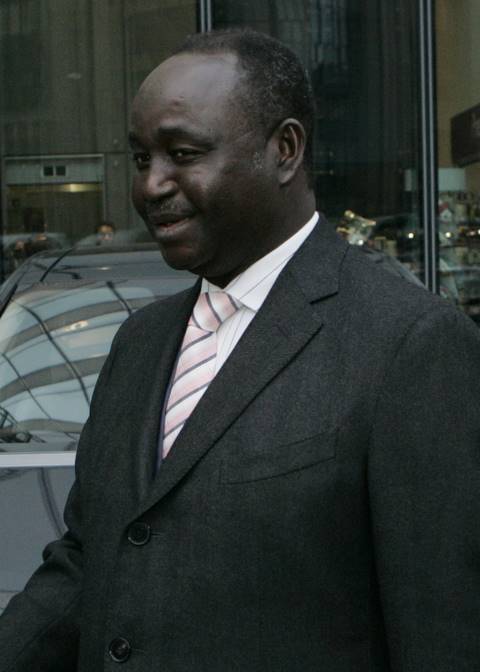
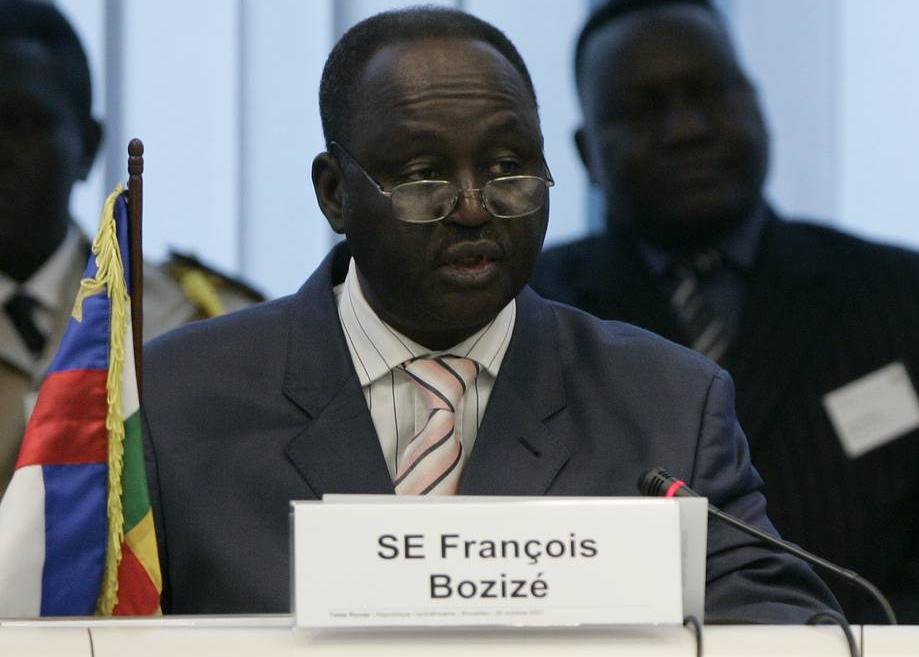
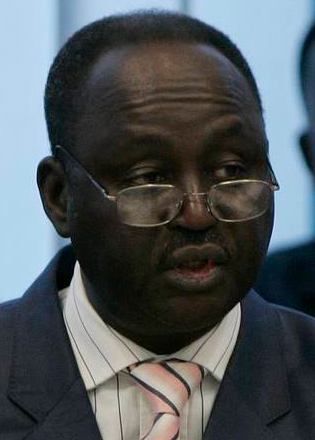
François Bozizé Yangouvonda (born 14 October 1946) is a Central African politician who served as President of the Central African Republic from 2003 to 2013. He is the only Central African president to have been born in what is now Gabon.
Bozizé rose through the ranks of the military under Emperor Jean-Bédel Bokassa, becoming a high-ranking officer in the 1970s. After Bokassa was overthrown, Bozizé held government posts as Minister of Defense (1979–1981) and Minister of Information (1981–1982). He took part in a failed coup against President André Kolingba in 1982 and fled the country. He later returned to serve as Army Chief of Staff under President Ange-Félix Patassé, but turned against him in 2001, launching a rebellion. In March 2003, while Patassé was abroad, Bozizé’s forces seized the capital, Bangui, and he took power, leading a transitional government. He won the 2005 presidential election in a runoff and was re-elected in the first round of the 2011 election.
In December 2012, a new rebellion erupted, accusing Bozizé of failing to honor peace deals from the 2007 Central African Bush War. On 24 March 2013, rebel forces attacked Bangui and captured the presidential palace, prompting Bozizé to flee to Cameroon via the Democratic Republic of the Congo. He was housed there by Cameroonian President Paul Biya. On 29 May 2013, the Central African Republic issued an international arrest warrant for him.
Bozizé, a member of the Gbaya people, was born in Gabon and trained at a military officers’ college in Bouar, Central African Republic. He became a second lieutenant in 1969 and a captain in 1975. Bokassa promoted him to brigadier general in 1978 after Bozizé beat a French noncommissioned officer who had insulted the emperor. Alongside General Josyhat Mayomokala, Bozizé ordered troops to attack young demonstrators demanding their parents’ back pay. After Bokassa was ousted by David Dacko in 1979, Bozizé became Minister of Defense following the French operation that removed Bokassa (Operation Barracuda).
When Kolingba took power in 1981, Bozizé was made Minister of Information. After his involvement in a failed coup attempt led by Patassé on 3 March 1982, he fled north with 100 soldiers, accused Kolingba of treason on Radio Bangui, and then sought refuge in France. He later lived in Benin, where he became a devout follower of the Celestial Church of Christ. Arrested in Cotonou in July 1989, he was imprisoned and tortured. Tried by Kolingba for helping a coup attempt, he was acquitted on 24 September 1991 and released on 1 December. He then returned to France for nearly two years.
Under pressure to democratize, Kolingba formed a political party and held a referendum, winning a six-year term. After the fall of the Berlin Wall, internal and external pressures forced him to adopt democratic reforms. In March 1991, he appointed Édouard Frank as prime minister but gave him little power, and set up a commission to revise the constitution. International donors, through the group GIBAFOR (France, USA, Germany, Japan, EU, World Bank, and UN), including US Ambassador Daniel H. Simpson, pressed for fair elections. The 1992 election was sabotaged by Kolingba after he realized he would lose, and the Constitutional Council canceled it. Under continued pressure, a new election was held in September 1993. Bozizé ran as an independent, receiving 12,159 votes (1.5%). Patassé and Abel Goumba advanced to a runoff, which Patassé won with 53.49%.
Bozizé was long seen as a Patassé supporter, helping suppress army mutinies in 1996 and 1997 and serving as Armed Forces Chief of Staff. After a coup attempt against Patassé on 28 May 2001 was defeated with Libyan and Congolese help, Bozizé’s loyalty came under suspicion. He was dismissed as Army Chief of Staff in late October 2001. When the government tried to arrest him on 3 November, fighting erupted; after five days, government forces and Libyan troops captured his barracks, and Bozizé fled north to Chad. Skirmishes between his rebels and government forces continued through 2002.
- born
- 14 October 1946
- nationality
- Central African
- known_for
- President of the Central African Republic (2003–2013); seized power in a 2003 co
Verified Timeline
Lore & Background
Bozizé was born in present-day Gabon, a member of the Gbaya people, and attended a military officers' training college in Bouar. He became a second lieutenant in 1969 and a captain in 1975. He was appointed Brigadier General by Emperor Bokassa I in 1978 after he beat a French noncommissioned officer who had been disrespectful to the Emperor. With General Josyhat Mayomokala, Bozizé ordered military personnel to attack young demonstrators asking for their parents' arrears. After Bokassa was ousted by David Dacko in 1979, Bozizé was appointed Minister of Defense after Operation Barracuda. Following Dacko's ouster by André Kolingba in September 1981, Bozizé was appointed Minister of Information, but fled to the north with 100 soldiers after his involvement in a failed coup attempt led by Ange-Félix Patassé on 3 March 1982, in which he accused Kolingba of treason and proclaimed the change of power on Radio Bangui. He obtained refuge in France, and during much of the 1980s lived in Benin, where he became a devout follower of the Celestial Church of Christ. Bozizé was arrested in Cotonou in July 1989, imprisoned and tortured. He was put on trial by Kolingba on charges of helping the coup d'état in May but was acquitted on 24 September 1991 and released from prison on 1 December. He then sought refuge in France for nearly two years. In the 1993 election, Bozizé ran for the presidency as an independent, receiving 12,159 votes, 1.5% of the total.
Reader's Guide
Bozizé's significance lies in his role as a military leader who twice overthrew or attempted to overthrow Central African governments. After serving as Army Chief of Staff under President Ange-Félix Patassé and helping him suppress army mutinies in 1996 and 1997, he was dismissed on 28 May 2001 after a coup attempt against Patassé. Fighting erupted when the government tried to arrest Bozizé on 3 November; after five days, government forces aided by Libyan troops captured his barracks, and Bozizé fled north to Chad. On 15 March 2003, his forces entered Bangui unopposed while Patassé was returning from a meeting in Niger and could not land. Bozizé suspended the 1995 constitution, and a new constitution was approved by voters in a referendum on 5 December 2004. He placed first in the 13 March 2005 election with just under 43% of the vote, then won the second round on 8 May with 64.6% of the vote, sworn in on 11 June. He was re-elected in the January 2011 presidential election, winning in the first round. In December 2012, the CAR was plunged into an uprising by rebel forces condemning Bozizé for not honoring peace agreements after the Central African Bush War in 2007. On 24 March 2013, Bozizé fled to Cameroon via the Democratic Republic of the Congo after rebel forces attacked Bangui and took control of the presidential palace. There, he was housed by Paul Biya, president of Cameroon. On 29 May 2013, an international arrest warrant was issued against Bozizé by the Central African Republic.
Did You Know?
- Bozizé is the only Central African president born in modern-day Gabon.
- He was appointed Brigadier General by Emperor Bokassa I in 1978 after beating a French noncommissioned officer who had disrespected the Emperor.
- In the 1993 presidential election, Bozizé ran as an independent and received only 12,159 votes, 1.5% of the total.
- After his 1982 coup attempt, Bozizé fled to France and later lived in Benin, where he became a devout follower of the Celestial Church of Christ.
- On 29 May 2013, an international arrest warrant was issued against Bozizé by the Central African Republic.
Gallery
Frequently Asked Questions
Who is François Bozizé?
François Bozizé Yangouvonda (born 14 October 1946) is a Central African politician and former military officer who held the presidency from 2003 to 2013. He is the only president of the Central African Republic to have been born outside the country's modern borders, having come into the world in present-day Gabon.
How did Bozizé come to power?
After serving as a senior army officer under Jean-Bédel Bokassa and later occupying ministerial posts, Bozizé led a successful armed rebellion that culminated in a coup in 2003. That seizure of power placed him directly into the presidency rather than through an election.
What is unusual about Bozizé's personal background?
He was born in 1946 in what is now Gabon, making him the sole Central African president to have been a foreign-born citizen by modern national boundaries. His career path moved from military service to government ministries before he ultimately took the top executive post.
How did Bozizé's presidency end?
His decade-long rule was cut short in 2013 when he was overthrown and forced to flee the country. The abrupt departure marked the close of a period that had begun with his 2003 coup.
Why is Bozizé considered significant in Central African political history?
His trajectory—from army officer under a dictator, to minister, to rebel leader, to president—encapsulates the recurring pattern of military figures dominating the country's governance. His 2003–2013 tenure shaped a pivotal stretch of the nation's modern political landscape.
More in African Leaders 1-18
Spotted an error? Know more?
This is a living reference — every entry is fact-audited, and reader corrections feed straight into our audit queue. Suggest an edit · See this site's audit record