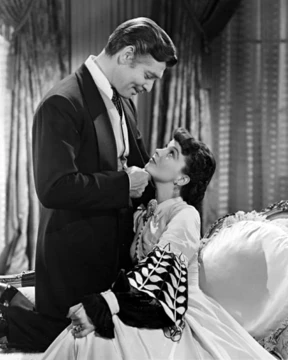
Maureen O'Hara
Irish-American actress known for Westerns and Technicolor films.

via Wikipedia: Maureen O'Hara · see source
Maureen O'Hara was born Maureen FitzSimons on August 17, 1920, in Dublin, Ireland, and died on October 24, 2015. She held both Irish and American citizenship and built a successful Hollywood career that stretched from the 1940s into the 1960s. A natural redhead, she was best known for playing heroines who were both passionate and levelheaded, especially in Westerns and adventure films. She frequently worked with director John Ford and her longtime friend John Wayne. Her nickname became "the Queen of Technicolor."
O'Hara grew up in a Catholic family in Dublin and wanted to be an actress from a very young age. She started training with the Rathmines Theatre Company when she was ten and joined the Abbey Theatre at fourteen. An early screen test was considered unsatisfactory, but actor Charles Laughton saw promise in her and arranged for her to co-star with him in Alfred Hitchcock's *Jamaica Inn* in 1939. Laughton insisted she change her surname from FitzSimons to "O'Hara," which she did against her wishes. That same year, she moved to Hollywood to appear with him in *The Hunchback of Notre Dame* and signed a contract with RKO Pictures. From there, she enjoyed a long and highly successful career.
Her film credits include *How Green Was My Valley* (1941), her first collaboration with John Ford; *The Black Swan* (1942) with Tyrone Power; *The Spanish Main* (1945); *Sinbad the Sailor* (1947); the Christmas classic *Miracle on 34th Street* (1947) with John Payne and Natalie Wood; and *Comanche Territory* (1950). She made her first film with John Wayne, the actor she is most closely linked to, in *Rio Grande* (1950). This was followed by *The Quiet Man* (1952), *The Wings of Eagles* (1957), *McLintock!* (1963), and *Big Jake* (1971). Their on-screen chemistry was so strong that many people assumed they were married or romantically involved. As she got older in the 1960s, O'Hara took on more motherly roles in films such as *The Deadly Companions* (1961), *The Parent Trap* (1961), and *The Rare Breed* (1966). She retired from acting in 1971 but returned twenty years later to appear with John Candy in *Only the Lonely* (1991).
In the late 1970s, O'Hara helped run her third husband Charles F. Blair Jr.'s flying business in Saint Croix in the United States Virgin Islands and also edited a magazine. She later sold these interests to spend more time in Glengarriff, Ireland. She was married three times and had one daughter, Bronwyn, with her second husband. Her autobiography, *'Tis Herself*, was published in 2004 and became a *New York Times* bestseller. In 2009, *The Guardian* named her one of the best actors never to have received an Academy Award nomination. In November 2014, she received an Honorary Academy Award, with the inscription: "To Maureen O'Hara, one of Hollywood's brightest stars, whose inspiring performances glowed with passion, warmth and strength." In 2020, *The Irish Times* ranked her number one on its list of Ireland's greatest film actors.
**Early life and education**
Maureen FitzSimons was born on 17 August 1920 at Beechwood Avenue in the Dublin suburb of Ranelagh. She described herself as "born into the most remarkable and eccentric family I could have possibly hoped for." She was the second oldest of six children born to Charles and Marguerite (née Lilburn) FitzSimons, and the only red-haired child in the family. Her father worked in the clothing business and bought into Shamrock Rovers Football Club, a team she supported from childhood.
O'Hara inherited her singing voice from her mother, a former operatic contralto and successful women's clothier who was widely considered one of Ireland's most beautiful women in her younger years. O'Hara noted that whenever her mother left the house, men would leave their homes just to catch a glimpse of her on the street. Her siblings were Peggy (the eldest), and younger Charles, Florrie, Margot, and Jimmy. Peggy dedicated her life to a religious order, becoming a Sister of Charity.
As a pudgy infant, O'Hara earned the nickname "Baby Elephant." She was a tomboy who enjoyed fishing in the River Dodder, riding horses, swimming, and soccer, and she played boys' games and climbed trees. She was so keen on soccer that she once urged her father to start a women's team, and she called Glenmalure Park, then the home ground of Shamrock Rovers, "like a second home." She enjoyed fighting and trained in judo as a teenager. She later admitted she was jealous of boys in her youth for the freedom they had, noting they could steal apples from orchards without getting into trouble.
O'Hara first attended John Street West Girls' School near Thomas Street in Dublin's Liberties area. She began dancing at age five, after a fortune teller predicted she would become rich and famous. She would boast to friends in her back garden that she would "become the most famous actress in the world." Her enthusiastic family fully supported this idea. When she recited a poem on stage at school at age six, she immediately felt drawn to performing in front of an audience. From that age, she trained in drama, music, and dance with her siblings at the Ena Mary Burke School of Drama and Elocution in Dublin. Their family's affinity for the arts led O'Hara to call them the "Irish von Trapp family."
At age ten, O'Hara joined the Rathmines Theatre Company and began working in amateur theatre in the evenings after her lessons. One of her earliest roles was Robin Hood in a Christmas pantomime. Her dream at that time was to become a stage actress. By age twelve, she had reached a height of 5 feet 6 inches (1.68 m), which worried her mother for a while that she would become "the tallest girl" in Ireland, since her father was 6 feet 4 inches (1.93 m). Her mother expressed relief when O'Hara only grew another two inches. At age fourteen, O'Hara joined the Abbey Theatre, where she was mentored by playwright...
- born
- 17 August 1920
- died
- 24 October 2015
- field
- Actress, singer
- nationality
- Irish and American
- known_for
- Playing passionate heroines in Westerns and adventure films; collaborations with
Verified Timeline
Lore & Background
O'Hara was born into a Catholic family and raised in Dublin, Ireland. She aspired to become an actress from a very young age. She trained with the Rathmines Theatre Company from the age of 10 and at the Abbey Theatre from the age of 14. She was given a screen test, which was deemed unsatisfactory, but Charles Laughton saw potential in her and arranged for her to co-star with him in Alfred Hitchcock's Jamaica Inn in 1939. Laughton insisted that she change her surname from FitzSimons against her wishes, and she became "O'Hara". She moved to Hollywood the same year to appear with him in the production of The Hunchback of Notre Dame, and was given a contract by RKO Pictures. From there, she went on to enjoy a long and highly successful career. O'Hara appeared in films such as How Green Was My Valley (1941) (her first collaboration with John Ford), The Black Swan with Tyrone Power (1942), The Spanish Main (1945), Sinbad the Sailor (1947), the Christmas classic Miracle on 34th Street (1947) with John Payne and Natalie Wood, and Comanche Territory (1950). O'Hara made her first film with John Wayne, the actor with whom she is most closely associated, in Rio Grande (1950); this was followed by The Quiet Man (1952), The Wings of Eagles (1957), McLintock! (1963) and Big Jake (1971). Such was her strong chemistry with Wayne that many assumed they were married or in a relationship. In the 1960s, O'Hara increasingly turned to more motherly roles as she aged, appearing in films such as The Deadly Companions (1961), The Parent Trap (1961) and The Rare Breed (1966). She retired from the industry in 1971, but returned 20 years later to appear with John Candy in Only the Lonely (1991).
Reader's Guide
Maureen O'Hara's significance lies in her long and highly successful Hollywood career spanning the 1940s through the 1960s, where she became known as 'the Queen of Technicolor' for her vibrant screen presence. Her strong on-screen chemistry with John Wayne led many to assume they were married or in a relationship, though they were long-time friends. In 2009, The Guardian named her one of the best actors never to have received an Academy Award nomination. In November 2014, she was presented with an Honorary Academy Award with the inscription 'To Maureen O'Hara, one of Hollywood's brightest stars, whose inspiring performances glowed with passion, warmth and strength'. In 2020, she was ranked number one on The Irish Times list of Ireland's greatest film actors. Her autobiography, 'Tis Herself, published in 2004, became a New York Times bestseller. O'Hara's legacy endures as a durable and beloved star of classic Hollywood cinema.
Did You Know?
- O'Hara earned the nickname 'Baby Elephant' for being a pudgy infant.
- She trained in judo as a teenager and enjoyed fighting.
- At age 15, she won the Dublin Feis Award for her performance as Portia in The Merchant of Venice.
- She typed the script of The Quiet Man for John Ford using her shorthand typist skills.
- In 1936, she became the youngest pupil to graduate from the Guildhall School of Music at the time.
A Tomboy's Path to the Stage
Maureen FitzSimons grew up in Ranelagh, Dublin, as the second eldest of six children in a Catholic household. Her mother, a former operatic contralto and successful women's clothier, was once considered among Ireland's most beautiful women, and the young Maureen inherited her singing voice. The family was, by her own description, 'the most remarkable and eccentric family I could have possibly hoped for', and she dubbed them the 'Irish von Trapp family'. A natural redhead and a self-described tomboy, she enjoyed fishing in the River Dodder, riding horses, swimming and soccer, and would play boys' games and climb trees. She was so devoted to soccer that she once pressed her father to found a women's team, and professed that Glenmalure Park, then home ground of Shamrock Rovers F.C., became 'like a second home'. She enjoyed fighting, and trained in judo as a teenager. Her stage ambitions ignited early: at five, a fortune teller's prediction of fame sent her boasting to friends that she would 'become the most famous actress in the world', and by six, reciting a poem on a school stage made her feel the pull of performing. She trained in drama, music and dance alongside her siblings at the Ena Mary Burke School of Drama and Elocution, joined the Rathmines Theatre Company at ten, and entered the Abbey Theatre at fourteen. In 1935, at fifteen, she won the first Dramatic Prize of the national competition of the performing arts, the Dublin Feis Award, for her performance as Portia in The Merchant of Venice.
From a Failed Screen Test to the Queen of Technicolor
A screen test that was judged unsatisfactory nearly ended Maureen's acting ambitions before they truly began. It was Charles Laughton who saw something the others missed, paying particular notice to her large and expressive eyes, and arranged for her to co-star in Alfred Hitchcock's Jamaica Inn in 1939. Laughton also insisted she abandon her birth surname FitzSimons, a change she resisted, and she became 'O'Hara'. That same year she crossed the Atlantic to appear in The Hunchback of Notre Dame and signed a contract with RKO Pictures, launching a career that would span from the early 1940s through the 1960s. Her natural red hair and blend of fiery passion with grounded intelligence made her a natural fit for adventure and Western roles. She earned the nickname 'the Queen of Technicolor' for the vivid, larger-than-life presence she brought to the screen. Her filmography includes How Green Was My Valley, The Black Swan, The Spanish Main, Sinbad the Sailor, the beloved Christmas film Miracle on 34th Street, and Comanche Territory, among many others.
The Ford-Wayne Axis
No pairing in Hollywood history is as closely linked to Maureen O'Hara as her work with director John Ford and actor John Wayne. Her first collaboration with Ford came in How Green Was My Valley in 1941, and the partnership would define much of her career. Her first film with Wayne, the actor with whom she is most publicly associated, was Rio Grande in 1950. That began a string of collaborations including The Quiet Man in 1952, The Wings of Eagles in 1957, McLintock! in 1963, and Big Jake in 1971. The on-screen chemistry between O'Hara and Wayne was so electric that audiences frequently assumed the two were married or romantically involved, a misconception that persisted throughout their careers. O'Hara's roles in these Westerns and adventure pictures showcased her signature blend of stubborn independence, sharp wit, and deep loyalty, qualities that made her heroines feel both larger than life and refreshingly real.
Retirement, Return, and Lasting Recognition
After stepping away from the screen in 1971, O'Hara spent the late 1970s helping manage her third husband Charles F. Blair Jr.'s flying business in Saint Croix, U.S. Virgin Islands, and editing a magazine before selling both ventures to spend more time in Glengarriff, Ireland. She had been married three times and raised one daughter, Bronwyn, with her second husband. Two decades after her apparent retirement, she returned to acting in 1991, appearing alongside John Candy in Only the Lonely. Her 2004 autobiography, 'Tis Herself, became a New York Times bestseller and offered readers an unfiltered look at her life. In 2009, The Guardian named her among the finest actors never to receive an Academy Award nomination. That oversight was partially addressed in November 2014, when she received an Honorary Academy Award inscribed with praise for her 'passion, warmth and strength'. In 2020, The Irish Times ranked her number one on its list of Ireland's greatest film actors, a testament to a career that bridged two nations and three decades of cinema.
More in Actors From The Golden Age Of Hollywood 1-18
Spotted an error? Know more?
This is a living reference — every entry is fact-audited, and reader corrections feed straight into our audit queue. Suggest an edit · See this site's audit record