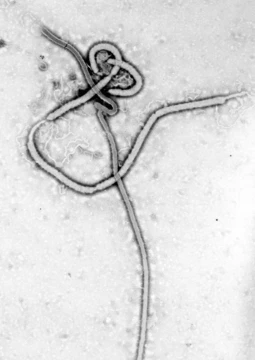
Langya virus
A paramyxovirus first detected in China, with no known deaths.
Langya virus (LayV), a species of paramyxovirus formally named Parahenipavirus langyaense, was first detected in the Chinese provinces of Shandong and Henan. It was identified in 35 patients between 2018 and August 2022, with no deaths reported as of that time. The virus has been found in humans, dogs, goats, and shrews, which are considered its presumed original host.
Quick Facts
- Scientific name
- Parahenipavirus langyaense
- First detected
- Chinese provinces of Shandong and Henan
- Number of human cases
- 35
- Period of detection
- 2018 to August 2022
- Species affected
- humans
- dogs
- goats
- shrews
Facts from the source article.
Did You Know?
- More than half of the infected individuals had leukopenia, and more than a third had thrombocytopenia.
- A smaller number of patients were reported to have impaired liver or kidney function.
- The Taiwan Centers for Disease Control said in August 2022 they would establish a nucleic acid testing method and strengthen surveillance after reports of an outbreak in China.
Transmission
Researchers found LayV antibodies in a few goats and dogs, and detected LayV viral RNA in 27% of the 262 shrews sampled. No strong evidence of human-to-human spread was found. One researcher noted that henipaviruses typically do not spread between people, and that only Nipah virus has shown some sign of such transmission, requiring very close contact. Another researcher stated that LayV is most likely not easily transmitted person to person, and that a future pandemic would more likely arise from an animal-to-human jump.
More in Zoonotic Viral Diseases
Spotted an error? Know more?
Reader corrections go straight into our review queue. Suggest an edit · How this site is sourced