Frequently Asked Questions
The most-asked questions about zoonoses.
What exactly is a zoonosis?
A zoonosis is any infectious disease whose natural reservoir lives in vertebrate animals and that can cross into humans through direct contact, vectors, or contaminated food. The term covers bacteria, viruses, parasites, and fungi, not just viruses.
How common are zoonotic diseases compared to other infections?
Roughly three-quarters of all emerging infectious disease threats in humans originate in animals, and about 60 percent of all known human pathogens are zoonotic. That makes the animal–human interface one of the biggest frontiers in public health.
Who are the key historical figures most associated with zoonoses?
Louis Pasteur is the most iconic name, having developed the first rabies vaccine in 1885. More recently, the 'One Health' framework champions such as Peter Daszak and the work of the CDC's Zoonotic Diseases Program have shaped modern surveillance and research.
What is the 'One Health' approach and why do fans of the topic keep bringing it up?
One Health is an integrated strategy that treats human, animal, and environmental health as a single system rather than separate silos. It became the dominant lens for zoonosis research after the 2003 SARS outbreak and the 2009 H1N1 pandemic showed how wildlife trade, farming, and urbanization all feed the same pipeline.
What are the most well-known zoonoses people search for?
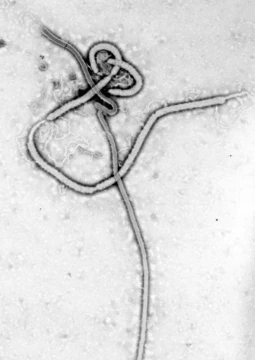
Rabies, Ebola, SARS-CoV-2, avian influenza, Lyme disease, and monkeypox (mpox) top the list. Each has a different animal reservoir—from bats and rodents to livestock and non-human primates—so the transmission story varies widely.
How does a pathogen actually 'jump' from an animal to a human?
A spillover event occurs when a pathogen encounters a new host, often at points where wildlife, domestic animals, and people share space or resources. The pathogen then needs to adapt to the new host's cells, and only a tiny fraction of spillovers go on to cause sustained human-to-human spread.
What is a 'natural reservoir' and why does the concept matter?
A natural reservoir is the animal species in which a pathogen persists long-term without necessarily making the animal visibly sick. Identifying the reservoir is critical for surveillance, because controlling the disease in humans alone will not stop new spillovers from the reservoir population.
What is a notable 'origin moment' in zoonosis history that fans often cite?
The 1918 influenza pandemic is a classic case: modern genomic work points to an avian-origin virus that adapted in swine before spreading through humans. The 2003 SARS-CoV-1 outbreak, linked to civet markets in Guangdong, is another frequently cited turning point that pushed global wildlife-trade policy reform.
Where should a complete newcomer start learning about zoonoses?
A solid first step is the CDC's Zoonotic Diseases Program page or the WHO's One Health fact sheets, both of which explain core concepts in plain language. From there, introductory epidemiology or veterinary virology textbooks (or the free Coursera/edX equivalents) fill in the mechanistic details.
What is the difference between a zoonosis and a regular infectious disease?
The defining line is the natural host: a zoonosis has an animal reservoir as its primary home, whereas a disease like measles evolved to live exclusively in humans. In practice the boundary can blur once a pathogen adapts to sustained human transmission, which is why the term 'emerging zoonosis' is often used during the transition.