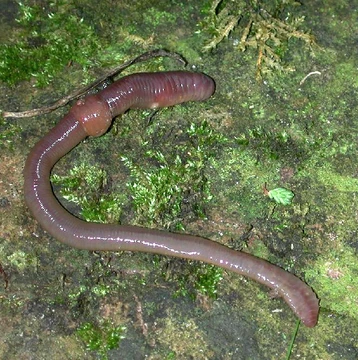
Xenacoelomorpha
Small marine worms at the base of bilaterian evolution.
Last updated
Xenacoelomorpha is a small phylum of bilaterian invertebrate animals, consisting of two sister groups: acoelomorphs and xenoturbellids. The phylum was named in February 2011 based on morphological synapomorphies, later confirmed by phylogenomic analyses of molecular data. These marine worms are significant in evolutionary biology because their phylogenetic placement challenges traditional views of bilaterian relationships, with some analyses suggesting they are the basalmost bilaterian clade, while others propose they are sister to Ambulacraria.
Quick Facts
- Field
- Marine invertebrate zoology
- Reproduction
- Hermaphroditic, sexual reproduction with direct development
Facts from the source article.
Lore & Background
Prior to molecular studies, xenacoelomorphs were considered flatworms due to superficial similarities: they lack a coelom and are dorsoventrally flattened. With the advent of phylogenetics, Xenoturbella and Acoelomorpha were found to be sister groups and only distantly related to flatworms. Initially placed within deuterostomes, later transcriptome analyses suggested Xenacoelomorpha is a sister group to all other bilateria, making them neither protostomes nor deuterostomes. However, some studies argue this basal placement may be caused by high mutation rates leading to long branch attraction, and instead propose xenacoelomorphs are sister to Ambulacraria, forming the clade Xenambulacraria.
Reader's Guide
The phylum Xenacoelomorpha holds a pivotal but disputed position in animal phylogeny. If they are the basalmost bilaterian clade, they represent the earliest diverging lineage of bilaterally symmetrical animals, offering insights into the ancestral bilaterian body plan. Their simple organization—acoelomate, lacking an excretory system and enteric nervous system—may reflect ancestral traits or secondary simplification from a more complex ancestor. The uncertainty surrounding their placement underscores the challenges of phylogenetic inference, particularly the effects of long branch attraction.
Their larvae show similarities to cnidarian and poriferan larvae, but whether these are ancestral or derived remains unclear. Resolving their position requires more species sampling and genomic data. The phylum also illustrates how molecular data can overturn traditional classifications based on morphology alone.
Did You Know?
- They lack an excretory system, yet all genes related to it are present except for Osr, which is essential for its development.
- Their nervous system is basiepidermal with no brain; xenoturbellids have a simple nerve net, while acoelomorphs have longitudinal bundles united by a ring commissure.
- The genus Xenoturbella originally contained only one species, but four new species were reported in 2016 from the Gulf of California, and a sixth species was discovered off Japan in 2017.
More in Worms And Worm-Like Invertebrates
Sources
Compiled from Wikipedia and the sources listed below. Text from Wikipedia is available under CC BY-SA 4.0; this entry is adapted from it.
- Wikipedia: Xenacoelomorpha (CC BY-SA 4.0).
- Word definitions: the Codexery glossary, each quoted from its Wikipedia article.
Spotted an error? Know more?
Reader corrections go straight into our review queue. Suggest an edit · How this site is sourced