Rescue of Jews during the Holocaust
Rescue of Jews during the Holocaust
Last updated

Kim Bach · CC BY-SA 4.0
During World War II, a number of people and organizations aided Jews and others in escaping the Nazi genocide. For Jews trying to go into hiding, the cooperation—or at least the lack of active hostility—of the local population was crucial, though this was often missing in Eastern Europe. Those in concealment relied on help from non-Jews. Survival depended heavily on factors like having money, personal ties to non-Jews, a non-Jewish appearance, fluency in the local language, determination, and sheer luck.
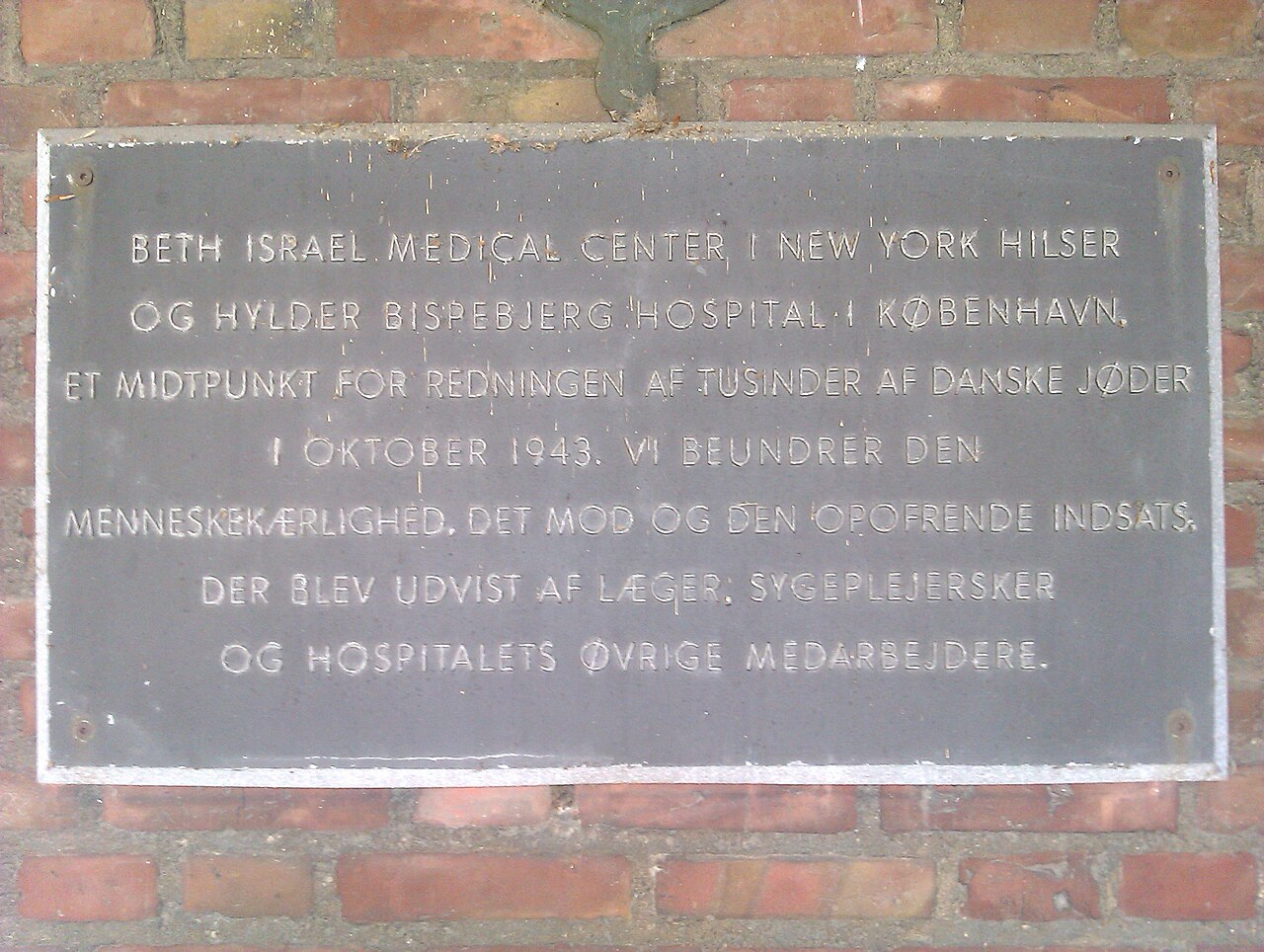
Jews in hiding were pursued with the help of local collaborators, and bounties were offered for turning them in. In some places, especially Eastern Europe including Poland, hiding Jews could carry the death penalty. Rescuers had a range of motives, from genuine altruism to expecting sexual favors or material rewards; it was not unusual for helpers to betray or kill Jews once their money was gone.

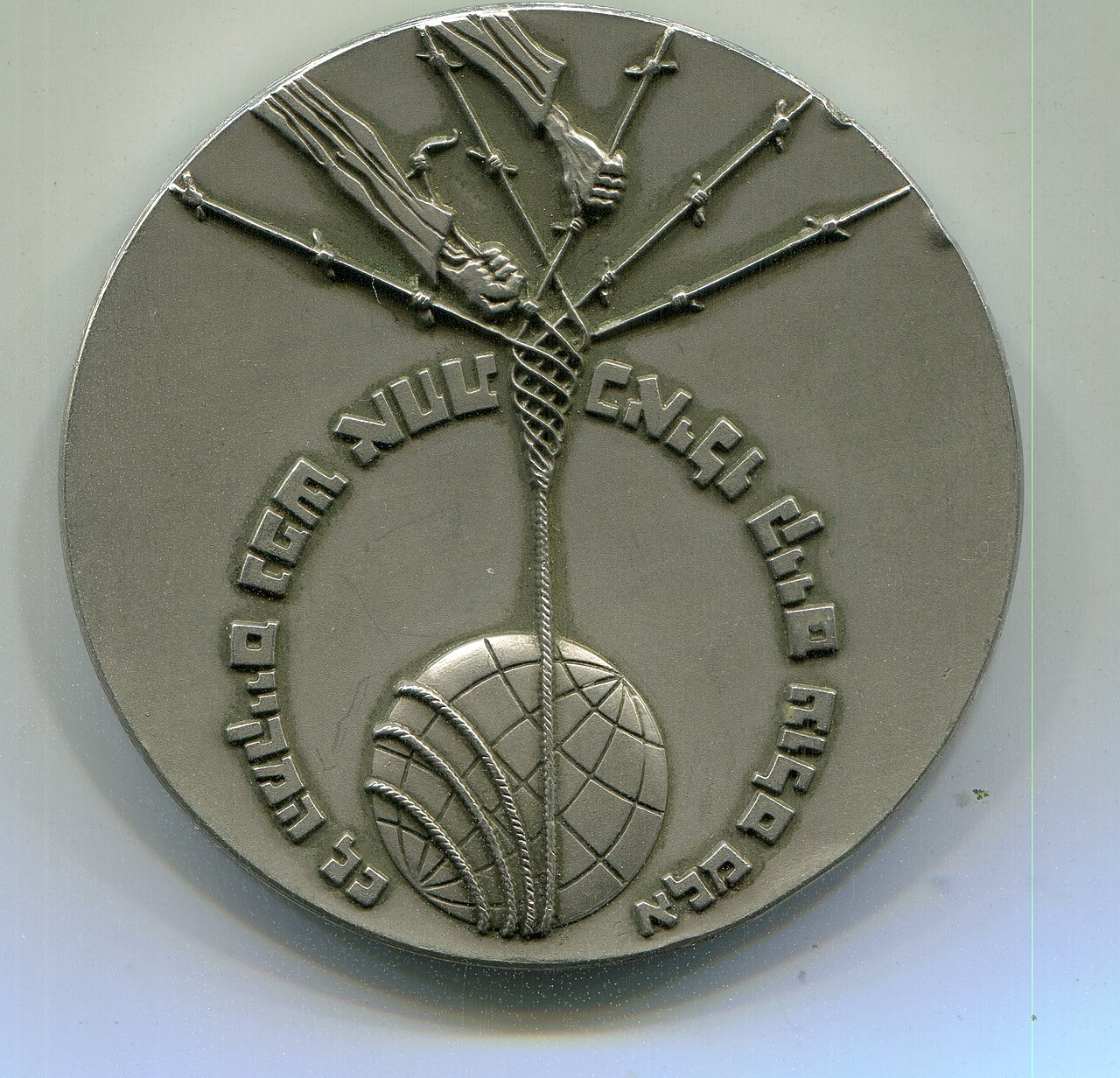
Across Nazi-occupied Europe, non-Jews hid or saved Jews. The Catholic Church and the Vatican spoke out against the systematic murder of Jews, and in Italy, Mussolini’s government refused to deport Jews or take part in their mass killing. Many diplomats worked to help Jews escape, for instance by issuing documents that allowed safe passage. Since 1953, Yad Vashem, Israel’s Holocaust memorial, has honored 26,973 people as Righteous among the Nations.
Quick Facts
- Lados group passports
- About 10,000 passports issued, saving an estimated 2,000–3,000 Jews
Facts from the source article.
Lore & Background
Poland had a very large Jewish population, and, according to Norman Davies, more Jews were both killed and rescued in Poland than in any other nation: the rescue figure usually being put at between 100,000–150,000. The memorial at Bełżec extermination camp commemorates 600,000 murdered Jews and 1,500 Poles who tried to save Jews. 6,532 men and women (more than from any other country in the world) have been recognized as rescuers by Yad Vashem in Israel, constituting the largest national contingent. Martin Gilbert wrote that 'Poles who risked their own lives to save the Jews were indeed the exception.
But they could be found throughout Poland, in every town and village.' Poland during the Holocaust of World War II was under total enemy control: initially, half of Poland was occupied by the Germans, as the General Government and Reichskomissariat; the other half by the Soviets, along with the territories of today's Belarus and Ukraine. The death penalty was threatened for individuals hiding Jews and their families. The list of Polish citizens officially recognized as Righteous includes 700 names of those who lost their lives while trying to help their Jewish neighbors. There were also groups, such as the Polish Żegota organization, that took drastic and dangerous steps to rescue victims.
Witold Pilecki, a member of Armia Krajowa, the Polish Home Army, organized a resistance movement in Auschwitz from 1940, and Jan Karski tried to spread the word of the Holocaust. When AK Home Army Intelligence discovered the true fate of transports leaving the Jewish Ghetto, the council to Aid Jews – Rada Pomocy Żydom (codename Żegota) – was established in late 1942 in co-operation with church groups. The organization saved thousands.
Emphasis was placed on protecting children, as it was nearly impossible to intervene directly against the heavily guarded transports. False papers were prepared, and children were distributed among safe houses and church networks. Two women founded the movement: the Catholic writer and activist Zofia Kossak-Szczucka and the socialist Wanda Filipowicz. Some of its members had been involved in Polish nationalist movements, which were themselves anti-Jewish, but which became appalled by the barbarity of the Nazi mass murders.
Reader's Guide
In Greece, the Foundation for the Advancement of Sephardic Studies and Culture writes 'One cannot forget the repeated initiatives of the head of the Greek Christian Orthodox Metropolitan See of Thessaloniki, Gennadios, against the deportations, and most of all, the official letter of protest signed in Athens on March 23, 1943, by Archbishop Damaskinos of the Greek Orthodox Church, along with 27 prominent leaders of cultural, academic and professional organizations. The document, written in a very sharp language, refers to unbreakable bonds between Christian Orthodox and Jews, identifying them jointly as Greeks, without differentiation. It is noteworthy that such a document is unique in the whole of occupied Europe, in character, content and purpose.' The 275 Jews of the island of Zakynthos survived the Holocaust. When the island's mayor, Loukas Karrer, was presented with the German order to hand over a list of Jews, Bishop Chrysostomos returned to the amazed Germans with a list of two names; his and the mayor's.
Moreover, the Bishop wrote a letter to Hitler himself stating that the Jews of the island were under his supervision. In the meantime the island's population hid every member of the Jewish community. When the island was almost levelled by the great earthquake of 1953, the first relief came from the state of Israel, with a message that read 'The Jews of Zakynthos have never forgotten their Mayor or their beloved Bishop and what they did for us.' The Jewish community of Volos, one of the most ancient in Greece, had fewer losses than any other Jewish community in Greece thanks to the timely and dynamic intervention and mobilization of the massive communist-leftist partisan movement of EAM-ELAS (National Liberation Front (Greece) – Greek People's Liberation Army) and the successful cooperation of the head of the Greek Christian Orthodox Metropolitan See of Demetrias Joachim and the chief rabbi of Volos, Moses Pesach for the evacuation of Volos from the Jewish people, after the events in Thessaloniki (displacement of the city's Jews to concentration camps).
Frequently Asked Questions
Why was local population cooperation so critical for Jews trying to go into hiding?
A Jewish person in concealment was entirely dependent on neighbors and community members choosing not to report them or actively shielding them. In Eastern Europe, where such cooperation was often absent and local collaborators actively aided Nazi searches, the risk of discovery and execution was far greater.
What risks did non-Jewish rescuers face when hiding Jews?
Nazi authorities offered monetary rewards to informants and pursued those in hiding with the active help of local collaborators. In the harshest cases, entire families of rescuers were executed, and estimates suggest hundreds of Polish non-Jews lost their lives simply for aiding Jewish neighbors.
More in World War Ii Topics
Sources
Compiled from Wikipedia and the sources listed below. Text from Wikipedia is available under CC BY-SA 4.0; this entry is adapted from it.
- Wikipedia: Rescue of Jews during the Holocaust (CC BY-SA 4.0).
Spotted an error? Know more?
Reader corrections go straight into our review queue. Suggest an edit · How this site is sourced