Heidi, Girl of the Alps
Japanese anime adaptation of Johanna Spyri's classic novel.
Last updated

Johanna Spyri · Public domain
Heidi, Girl of the Alps is a Japanese animated television series produced by Zuiyo Eizo, based on the novel Heidi by Johanna Spyri. Directed by Isao Takahata, it is the only entry in Calpis Comic Theater before the name changed to World Masterpiece Theater. The series follows the orphaned Heidi as she lives with her grandfather in the Swiss Alps, later travels to Frankfurt as a companion for a disabled girl, and eventually returns home.

Lore & Background
Heidi, Girl of the Alps was produced by Zuiyo Eizo and directed by Isao Takahata, with contributions from notable anime filmmakers including Yōichi Kotabe (character design, animation director), Toyoo Ashida (co-character design, animation director), Yoshiyuki Tomino (storyboard, screenplay), and Hayao Miyazaki (scene design, layout, screenplay). The series is the only entry in Calpis Comic Theater, a precursor of the World Masterpiece Theater series, which adapted classic tales from the Western world. The animation studio Zuiyo Enterprise underwent a restructuring in 1975: Nippon Animation was formed from production staff, while Zuiyo (later Zuiyo Eizo) retained rights to Heidi, but it was not a direct split of Zuiyo Enterprise.
The plot follows five-year-old orphan Heidi, who is taken by her aunt Dete to live with her grandfather, Alm-Onji, in the Swiss Alps. Heidi wins his heart and befriends goatherd Peter. Later, Dete returns and tricks Heidi into going to Frankfurt to be a companion for Clara Sesemann, a wheelchair-using girl.
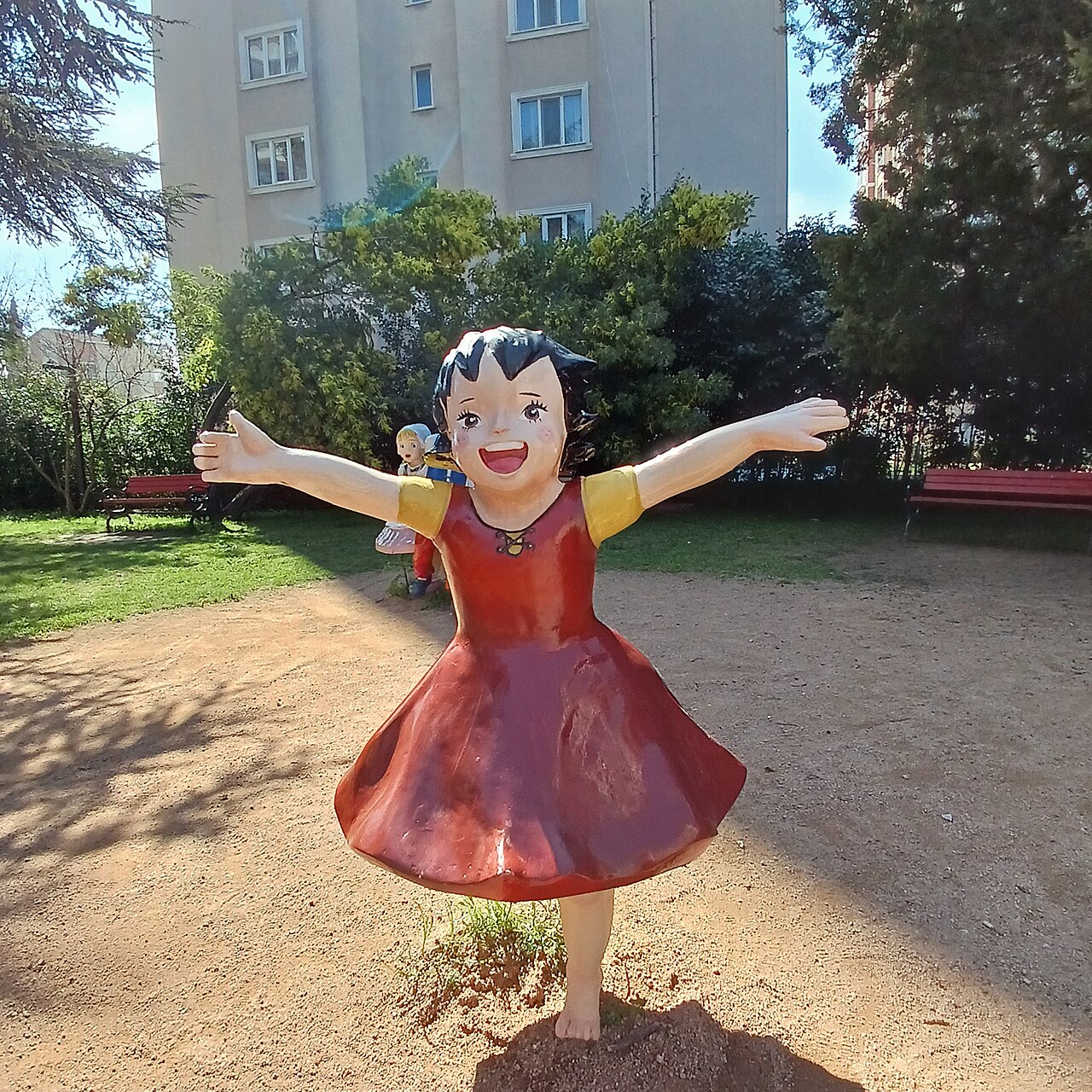
Heidi struggles with homesickness, learns to read with Clara's grandmother's help, and eventually returns to the Alps after her health declines. Clara later visits and, with therapy, learns to walk. The series was also released as a feature-length film edit in March 1979, engineered solely by Zuiyo, and as two OVAs in 1993.
The Dream Team Behind the Animation
Heidi, Girl of the Alps stands as one of the most star-studded productions in early anime history. Directed by Isao Takahata, the series drew on an extraordinary roster of creative talent. Hayao Miyazaki contributed scene design, layout, and screenplay work, while Yoshiyuki Tomino handled storyboard and screenplay duties. Yōichi Kotabe served as character designer and animation director, with Toyoo Ashida sharing those responsibilities.

The project was produced by Zuiyo Eizo and adapted from Johanna Spyri's classic Swiss novel. What makes this assembly remarkable is that it represents a convergence of filmmakers who would each go on to define different pillars of Japanese animation. The series, known in Japanese as Arupusu no Shōjo Haiji, became the culmination of the Calpis Comic Theater lineup, serving as the sixth and final entry before the format evolved into the long-running World Masterpiece Theater franchise.
The Studio Split and Franchise Legacy
The production history of Heidi carries the weight of a corporate fracture that reshaped the anime industry. Zuiyo Enterprise, the studio behind the series, split in 1975 into two entities. Nippon Animation absorbed the production staff and carried forward the World Masterpiece Theater franchise that Heidi had helped establish. Zuiyo, meanwhile, retained the rights to the Heidi TV series along with its associated debt.

This division meant that subsequent releases of the material fell under different corporate umbrellas. The feature-length film edit, released in March 1979, was produced entirely by Zuiyo without any additional input from Nippon Animation, Takahata, or Miyazaki. Zuiyo later re-edited the series into two OVA releases in 1993. The fact that the original creative team had no involvement in the film version underscores how the studio split created a permanent separation between the work's artistic origins and its later commercial life.
A Story of Belonging and Displacement
The narrative at the heart of Heidi follows a five-year-old orphan whose world is upended twice in quick succession. After her aunt Dete secures employment in Frankfurt and can no longer serve as her guardian, Heidi is sent to live with her reclusive grandfather, Alm-Onji, in the Swiss Alps. There she finds genuine joy, forming a deep bond with the goatherd Peter and discovering a life of freedom on the mountain. That peace is shattered when Dete tricks Heidi into traveling to Frankfurt to serve as a companion to Clara Sesemann, a wheelchair-bound girl weakened by rickets.
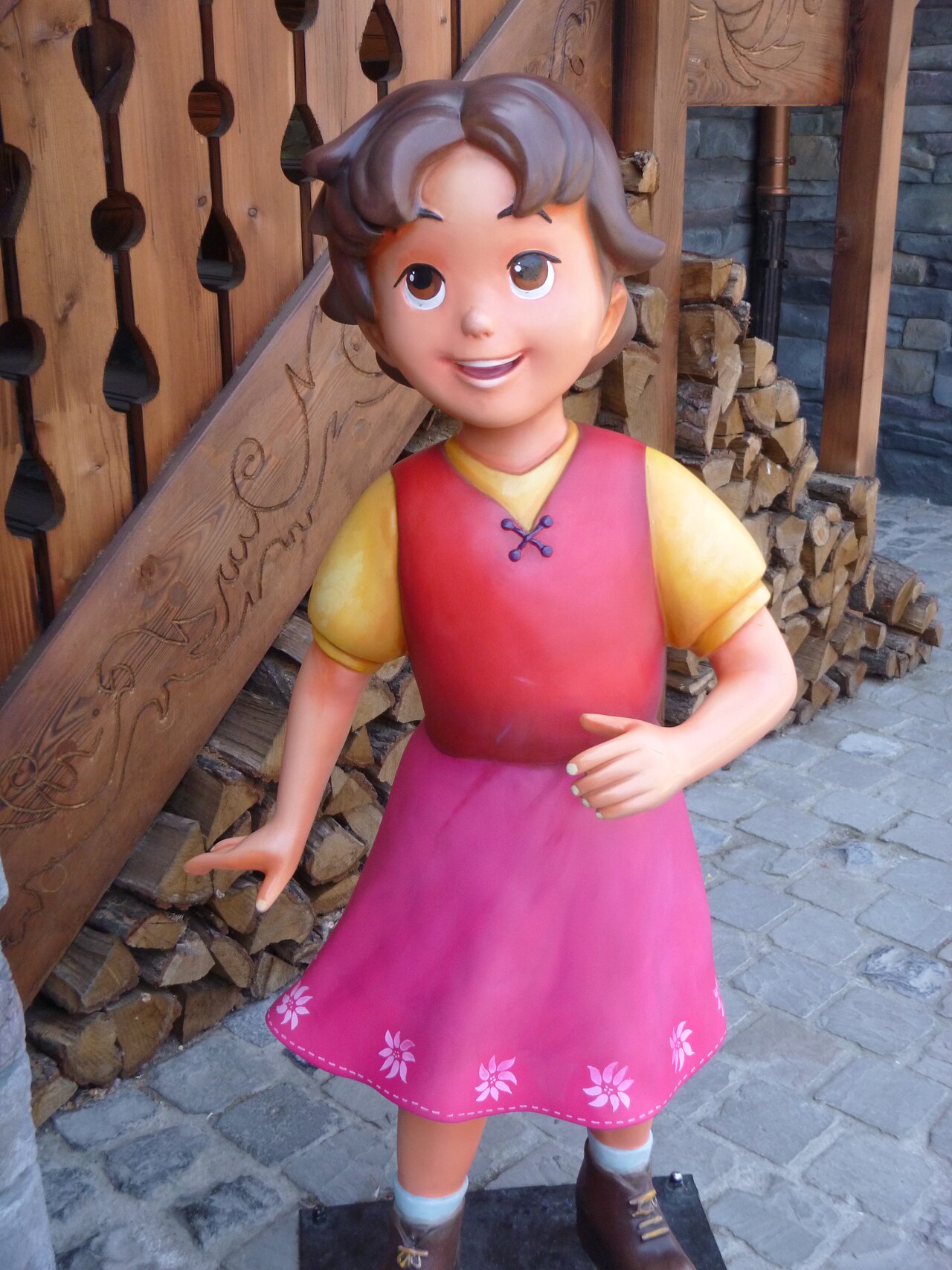
Under the rigid authority of governess Miss Rottenmeier, Heidi is forbidden from speaking of the Alps. The prohibition triggers a severe decline; she becomes a sleepwalker whose nighttime wanderings are mistaken for a haunting. A doctor ultimately diagnoses her condition as acute homesickness, and she is sent back to the mountains, where reading, friendship, and the open sky restore her.
The World of Dörfli and Its Inhabitants
The Alpine village of Dörfli and its surrounding mountains form a living ecosystem of characters who shape Heidi's identity. Alm-Onji, the Old Man of the Alps, carries a fearsome reputation rooted in village rumors that he killed a man in his youth. He lives in solitary seclusion with his dog Josef in a cabin halfway up the mountain, yet Heidi's warmth and intelligence gradually break through his misanthropy.
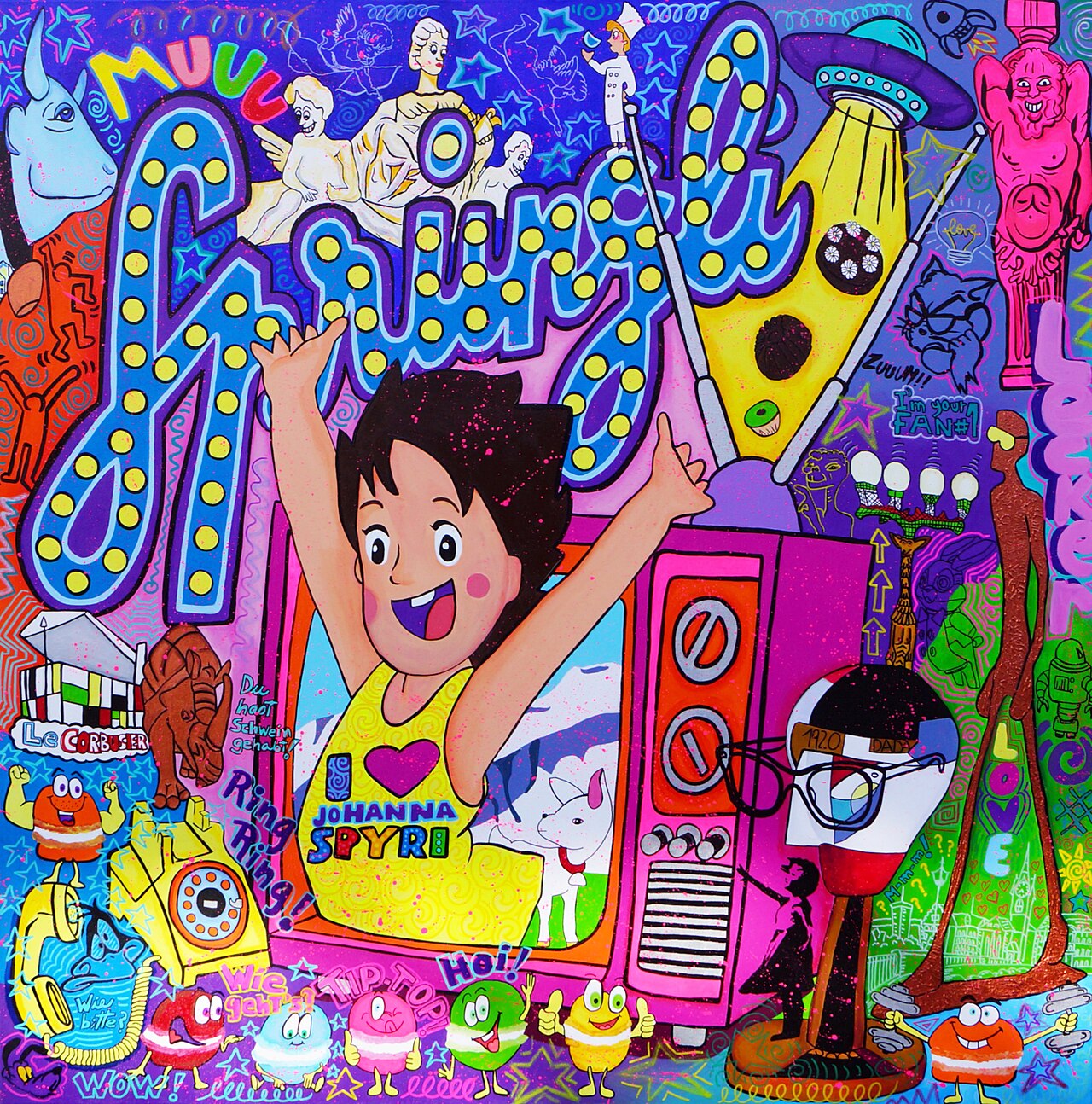
Peter, the rebellious goatherd, shares Heidi's illiteracy and her love of the high pastures; his grandmother, a blind woman, harbors the dream of hearing her psalm book read aloud, a wish Peter cannot fulfill. In Frankfurt, Clara Sesemann represents a parallel loneliness—confined to a wheelchair, her only companions before Heidi are servants and a pet canary. The grandmother, who visits rarely, becomes the one figure who teaches Heidi to read and write in a single session, a feat her formal tutor had failed to achieve over months.
Reader's Guide
Heidi, Girl of the Alps holds significance as a landmark Japanese anime adaptation of a Western classic, bridging the Calpis Comic Theater and World Masterpiece Theater series. Its production involved key figures who would later become influential in anime, including Isao Takahata and Hayao Miyazaki. The series' popularity helped establish the World Masterpiece Theater franchise, which continued with Nippon Animation after the studio split.
The show's depiction of Alpine life and its emotional narrative resonated with audiences, contributing to its enduring legacy. The feature-length film edit and OVA releases demonstrate continued interest in the series. The series is notable for its detailed animation and character design, and for being a precursor to later anime adaptations of classic literature.
More in World Masterpiece Theater series
Sources
Compiled from Wikipedia and the sources listed below. Text from Wikipedia is available under CC BY-SA 4.0; this entry is adapted from it.
- Wikipedia: Heidi, Girl of the Alps (CC BY-SA 4.0).
Spotted an error? Know more?
Reader corrections go straight into our review queue. Suggest an edit · How this site is sourced