
Blue Mosque, Istanbul
Ottoman imperial mosque known for its blue Iznik tile interior.
Last updated

Slyronit · CC BY-SA 4.0
Where it is
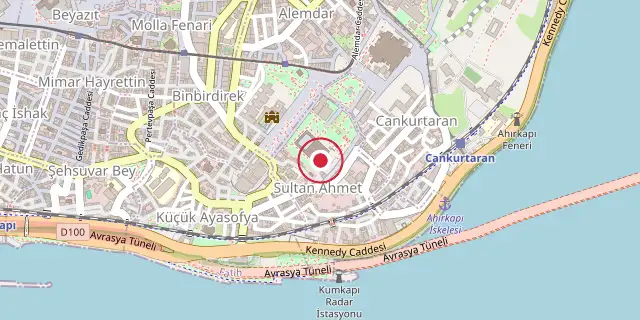
Coordinates: 41°00′18″N 28°58′37″E (41.0050, 28.9770) · Open in OpenStreetMap
Coordinates and connected clubs: the infobox of Wikipedia: Blue Mosque, Istanbul (CC BY-SA 4.0). Map: drawn by Codexery from OpenStreetMap tiles.
The Blue Mosque, officially known as the Sultan Ahmed Mosque, is an Ottoman-era imperial mosque in Istanbul, Turkey. Constructed between 1609 and 1617 under Sultan Ahmed I, it is one of the most iconic monuments of Ottoman architecture and a major tourist attraction.
Lore & Background
The mosque was built after the Peace of Zsitvatorok, which was seen as a blow to Ottoman prestige. Sultan Ahmed I hoped to solicit God's favor by constructing a large mosque. He was the first sultan to build an imperial mosque since Selim II, as Murad III and Mehmed III had not built their own. The site was originally occupied by the Hippodrome's bleachers and imperial box, and prior to construction, palaces of viziers such as Sokollu Mehmet Pasha and Güzel Ahmet Pasha stood there, requiring costly expropriation.
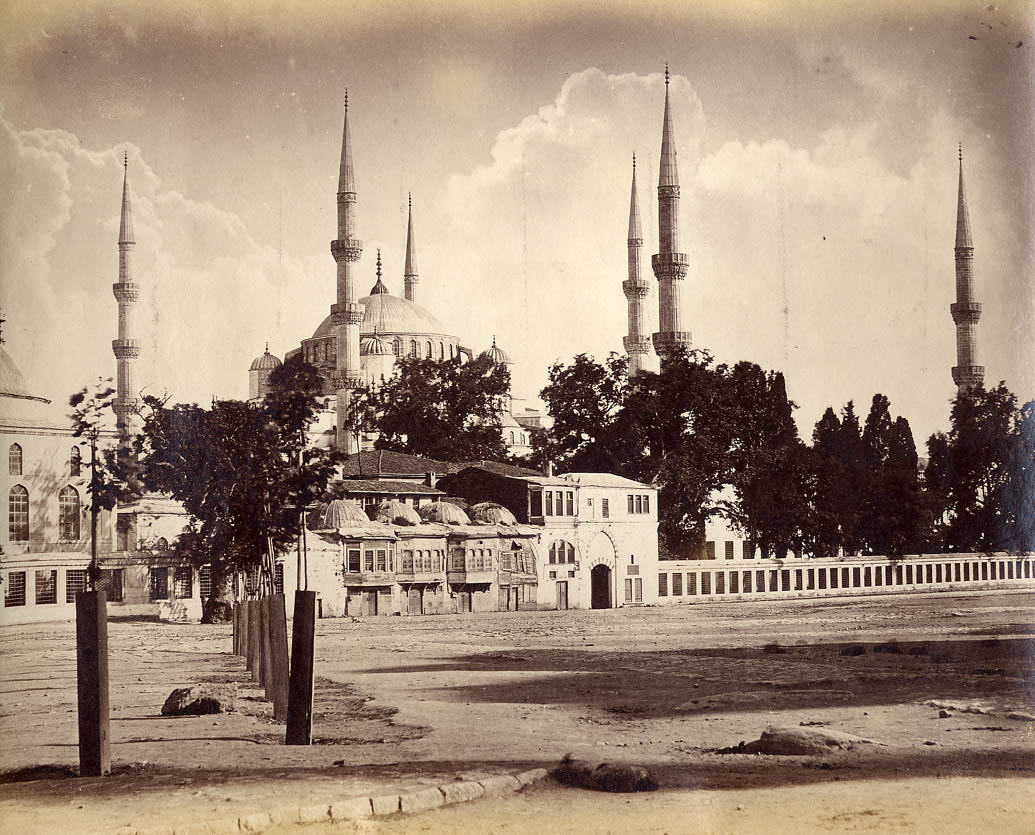
This, along with economic stress, led the ulema to protest, arguing sultans should only fund mosques with spoils of conquest; they forbade Muslims from praying there. Despite opposition, construction proceeded from 1609 to 1617, though some inscriptions mention 1616. Ahmed I died around 1617, and the last accounting reports were signed by his successor Mustafa I, suggesting the project was not fully complete at his death. The mosque's grandeur and public ceremonies eventually swayed public opinion.
The Nomination Pathway and Tentative List Requirement
Securing a place on the World Heritage List is not a single-step process; it demands that a site first appear on its member state's tentative list before any formal nomination can be submitted. This prerequisite ensures that countries conduct thorough preparatory work, documentation, and conservation planning before approaching the World Heritage Committee. Turkey currently holds eighty properties on its tentative list, a substantial queue that reflects the breadth of sites the nation wishes to see recognized over time.
The convention, which Turkey accepted on March 16, 1983, provides the legal and procedural architecture for this staged approach. For the Historic Areas of Istanbul, which received its inscription at the 1985 ninth session, the path from tentative listing to full recognition would have involved demonstrating that the site met at least one of the six cultural criteria. The existence of this structured pathway means that the Blue Mosque's international standing is the product of deliberate national strategy, sustained documentation, and alignment with UNESCO's defined standards for universal cultural significance.
Reader's Guide
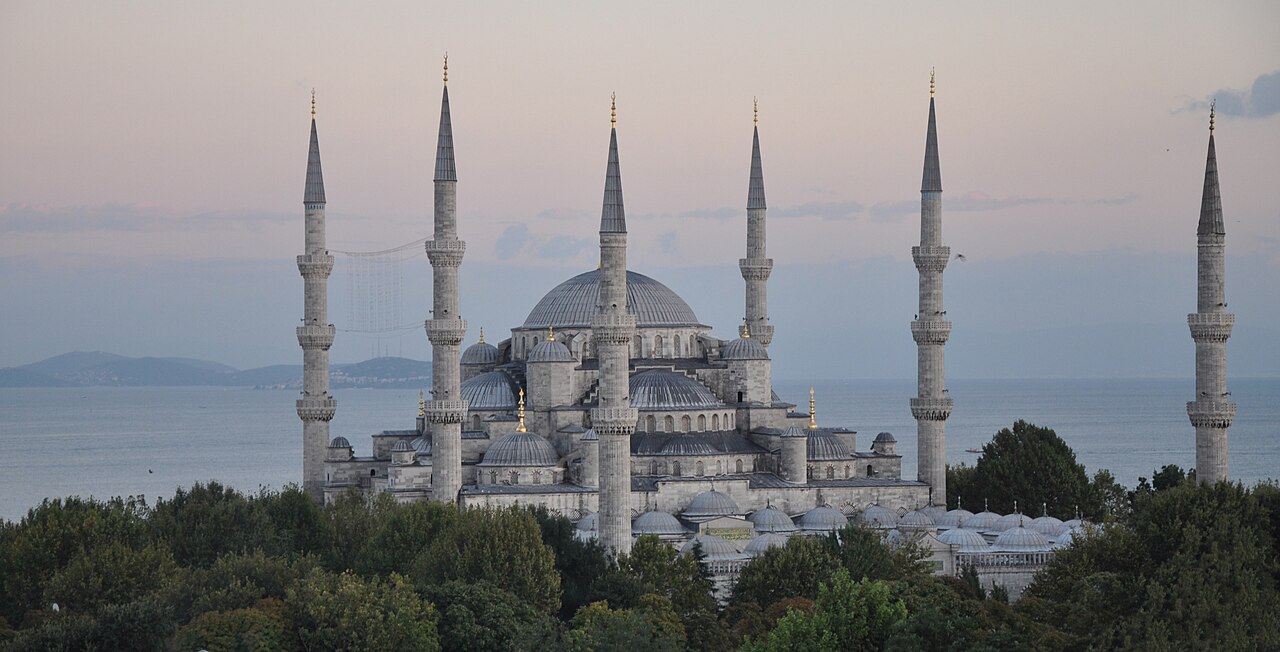
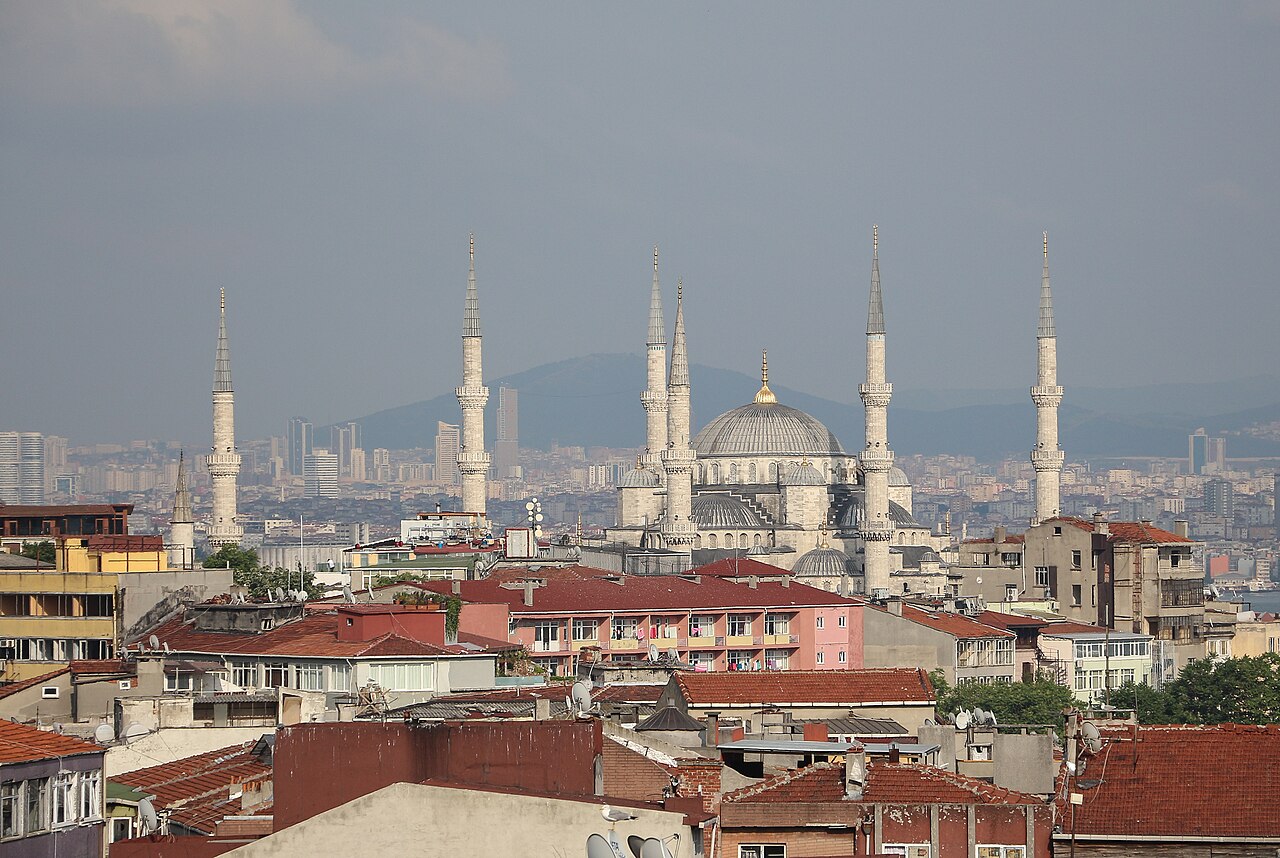
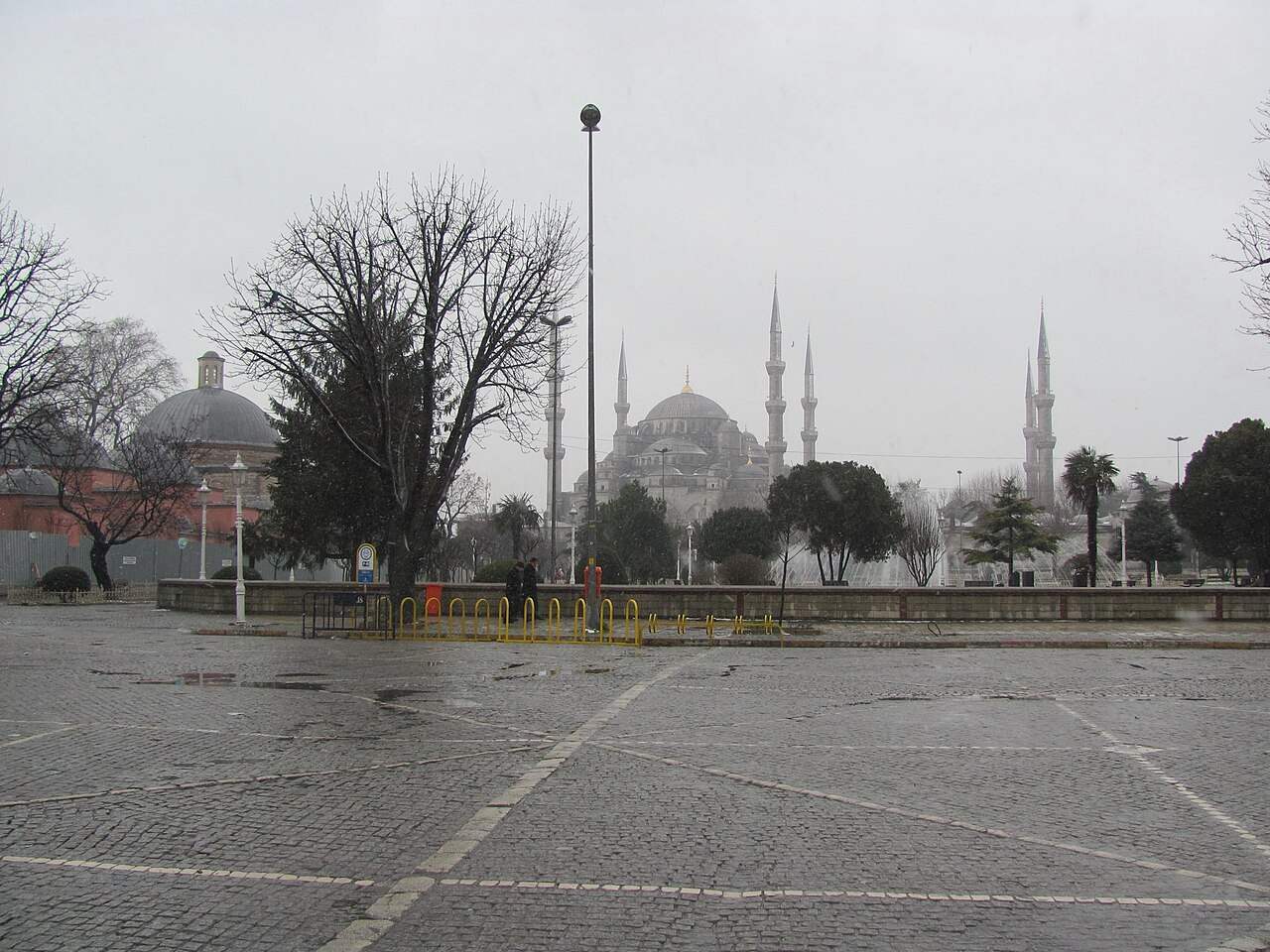
The Blue Mosque is a defining landmark of Istanbul and a masterpiece of classical Ottoman architecture. Its design, by Sedefkar Mehmed Agha, synthesizes the ideas of his master Mimar Sinan, aiming for overwhelming size and splendor. The mosque features a central dome 23.5 meters in diameter, surrounded by four semi-domes and smaller exedrae, with six minarets.
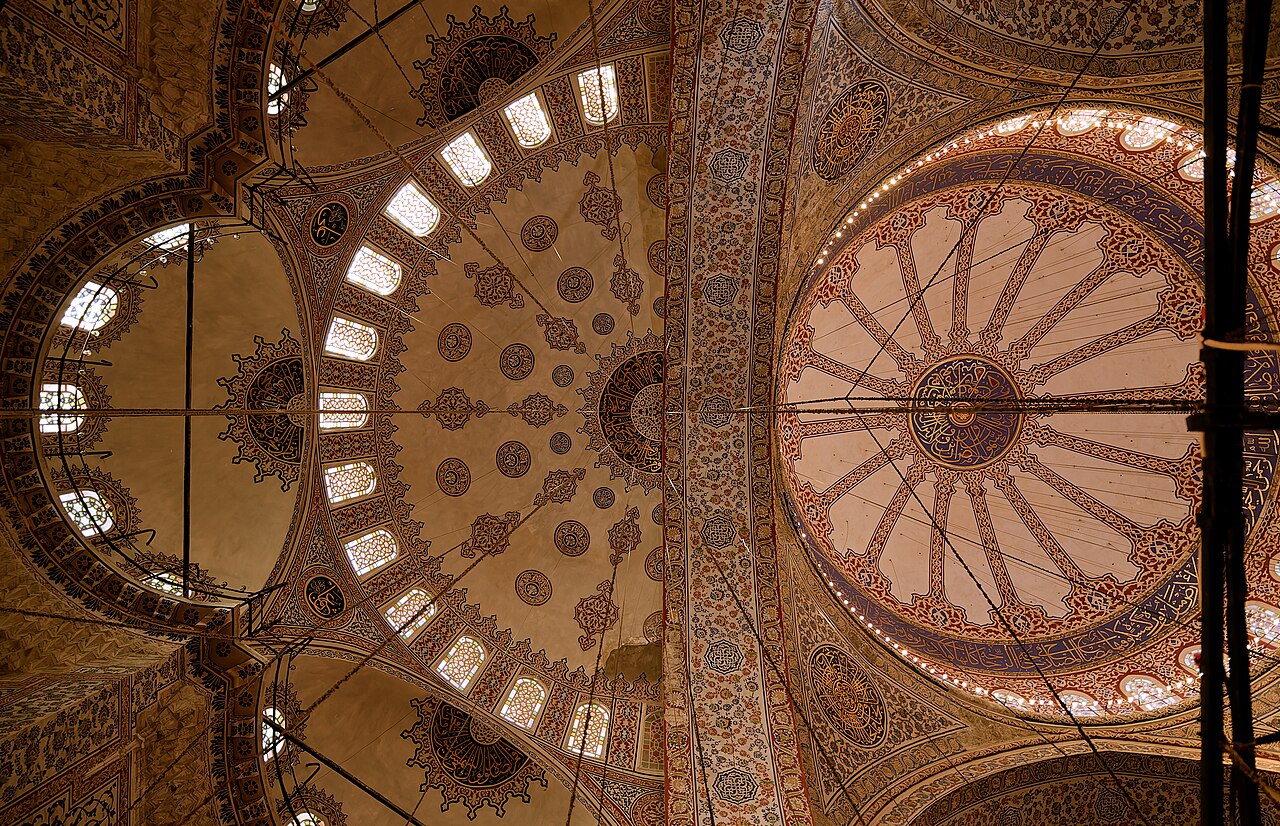
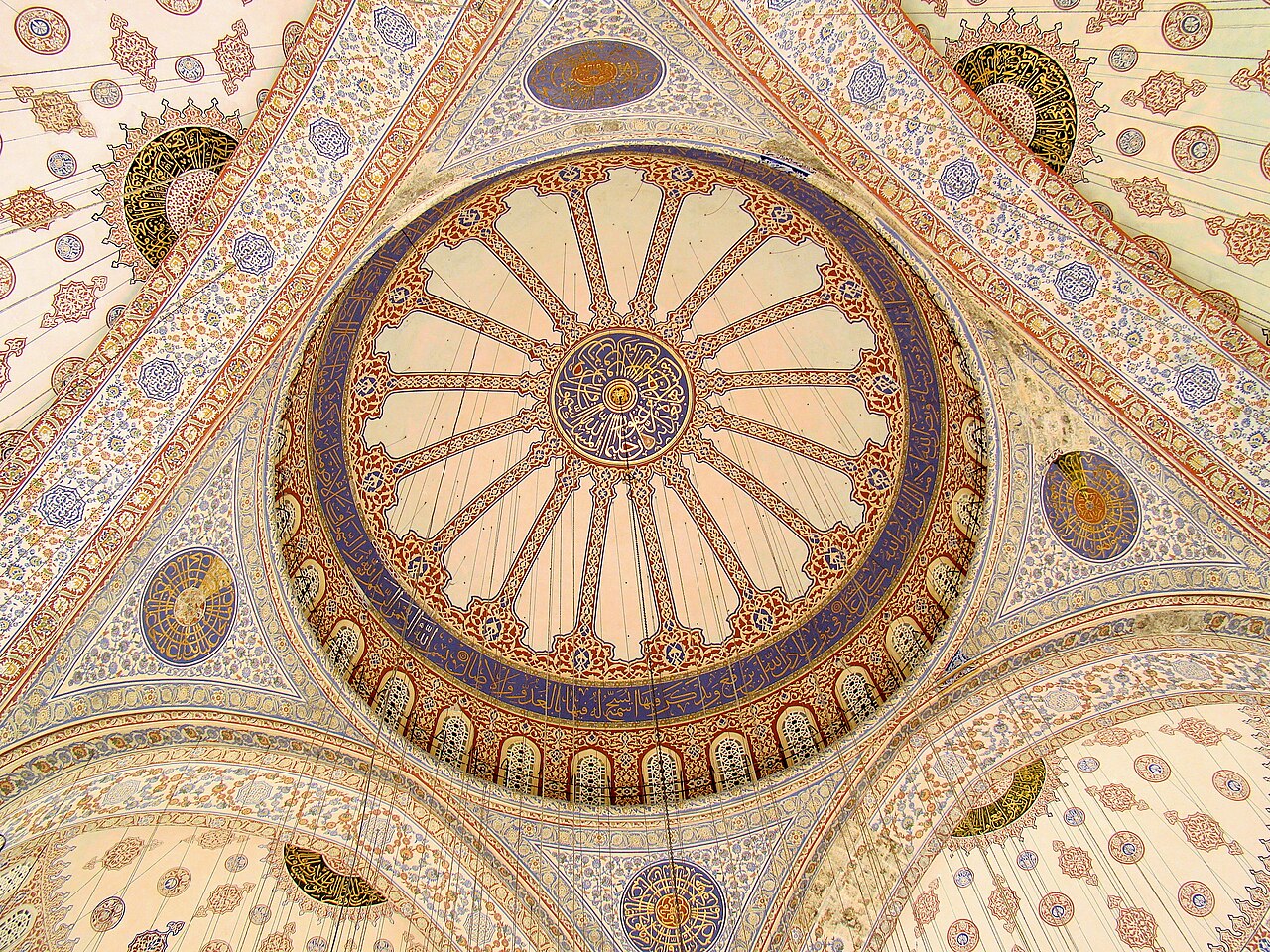
The interior is decorated with thousands of Iznik tiles and painted floral motifs in predominantly blue colors, giving it its popular name. The mosque's külliye includes Ahmed's tomb, a madrasa, and other buildings. It stands across from Hagia Sophia and was included in the UNESCO World Heritage Site list in 1985.
Despite initial controversy over its funding, it became one of the most popular mosques in Istanbul and gave its name to the surrounding Sultanahmet neighborhood. The mosque underwent restorations in 1883, after a 1912 fire, and a major 21st-century restoration that included repairing a shifted minaret, reopening in April 2023. Pope Benedict XVI visited in 2006, the second papal visit to a Muslim place of worship.
Frequently Asked Questions
What is the Blue Mosque, Istanbul?
The Blue Mosque, officially the Sultan Ahmed Mosque, is a 17th-century Ottoman imperial mosque in Istanbul, Turkey. Commissioned by Sultan Ahmed I and finished in 1617, it stands as one of the most instantly recognizable landmarks of the city.
Who designed the Blue Mosque?
The mosque was designed by the Ottoman architect Sedefkar Mehmed Agha, a pupil of the celebrated Mimar Sinan. He completed the entire structure in roughly eight years, from 1609 to 1617.
Why is it called the 'Blue' Mosque?
The popular name comes from the thousands of hand-painted Iznik tiles in varying shades of blue that line the interior walls. These tiles cast a cool, luminous glow across the prayer hall that has defined the mosque's nickname since the 18th century.
Is the Blue Mosque a UNESCO World Heritage Site?
Yes, it is part of the 'Historic Areas of Istanbul' UNESCO World Heritage inscription, which was added to the list in 1985. The designation covers a cluster of Ottoman-era monuments in the city center, with the Blue Mosque serving as one of the most prominent among them.
More in World Heritage Sites in Turkey
Sources
Compiled from Wikipedia and the sources listed below. Text from Wikipedia is available under CC BY-SA 4.0; this entry is adapted from it.
- Wikipedia: Blue Mosque, Istanbul (CC BY-SA 4.0).
Spotted an error? Know more?
Reader corrections go straight into our review queue. Suggest an edit · How this site is sourced