
Historic Centre of Saint Petersburg and Related Groups of Monuments
A UNESCO World Heritage Site of Baroque, Neoclassical, and Russian-Byzantine architecture.
Last updated

Andrey Korchagin · CC BY-SA 2.0
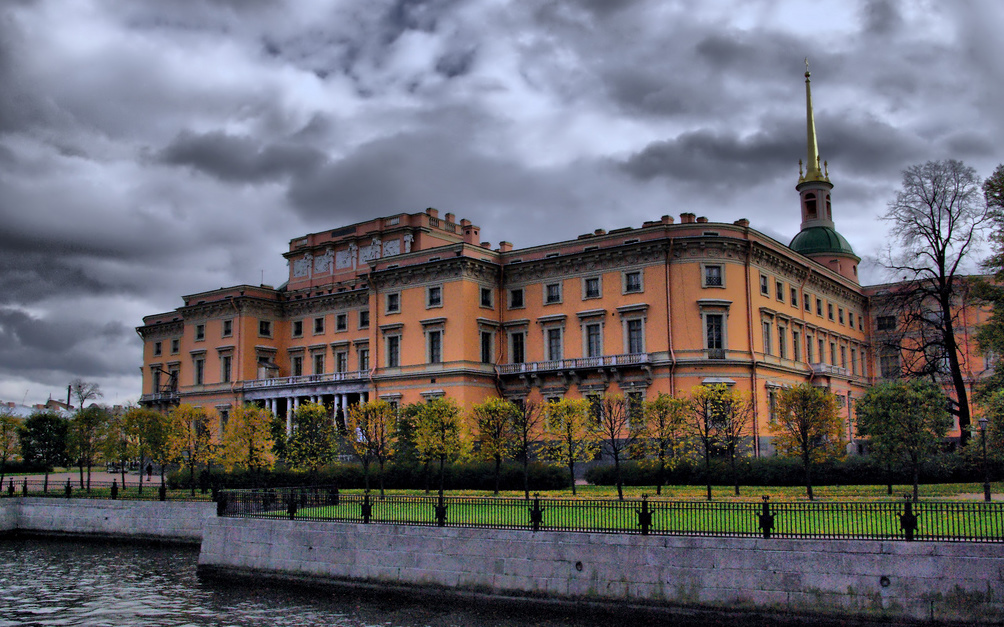
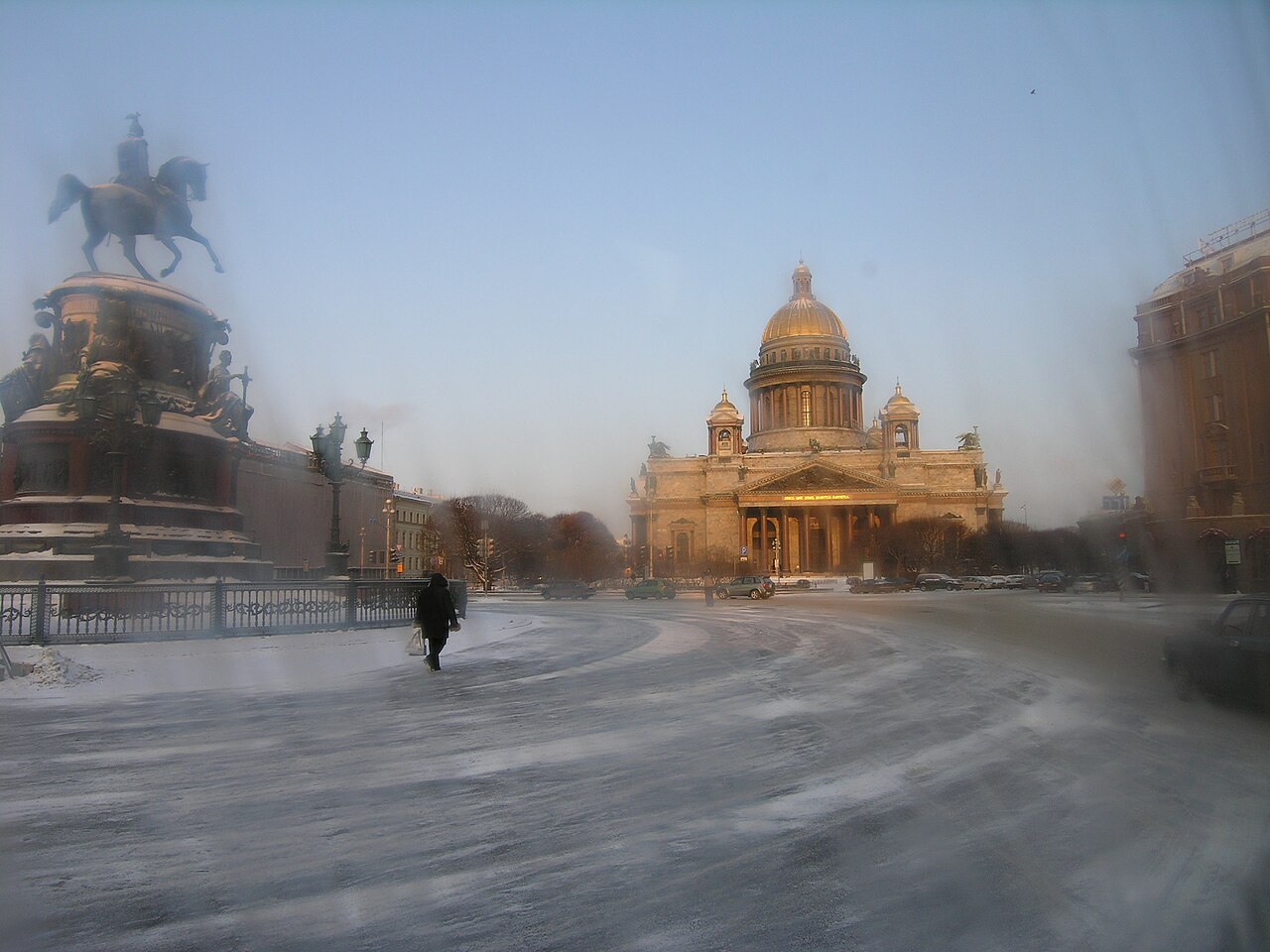
The Historic Centre of Saint Petersburg and Related Groups of Monuments is the name used by UNESCO when it collectively designated the historic core of the Russian city of St. Petersburg, as well as buildings and ensembles located in the immediate vicinity as a World Heritage Site in 1991.
Lore & Background
The site was recognised for its architectural heritage, fusing Baroque, Neoclassical, and traditional Russian-Byzantine influences.
UNESCO Recognition & Architectural Identity
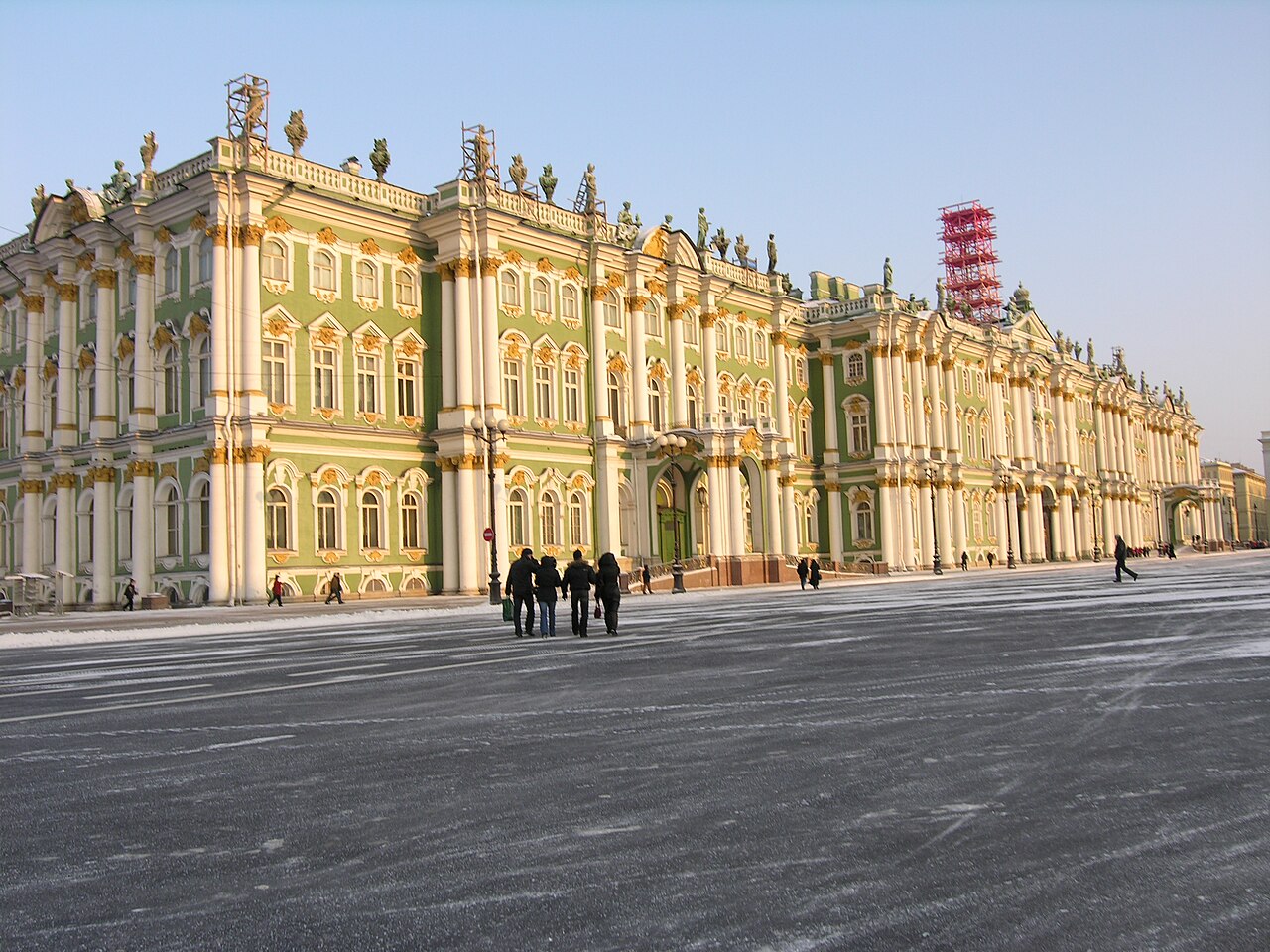
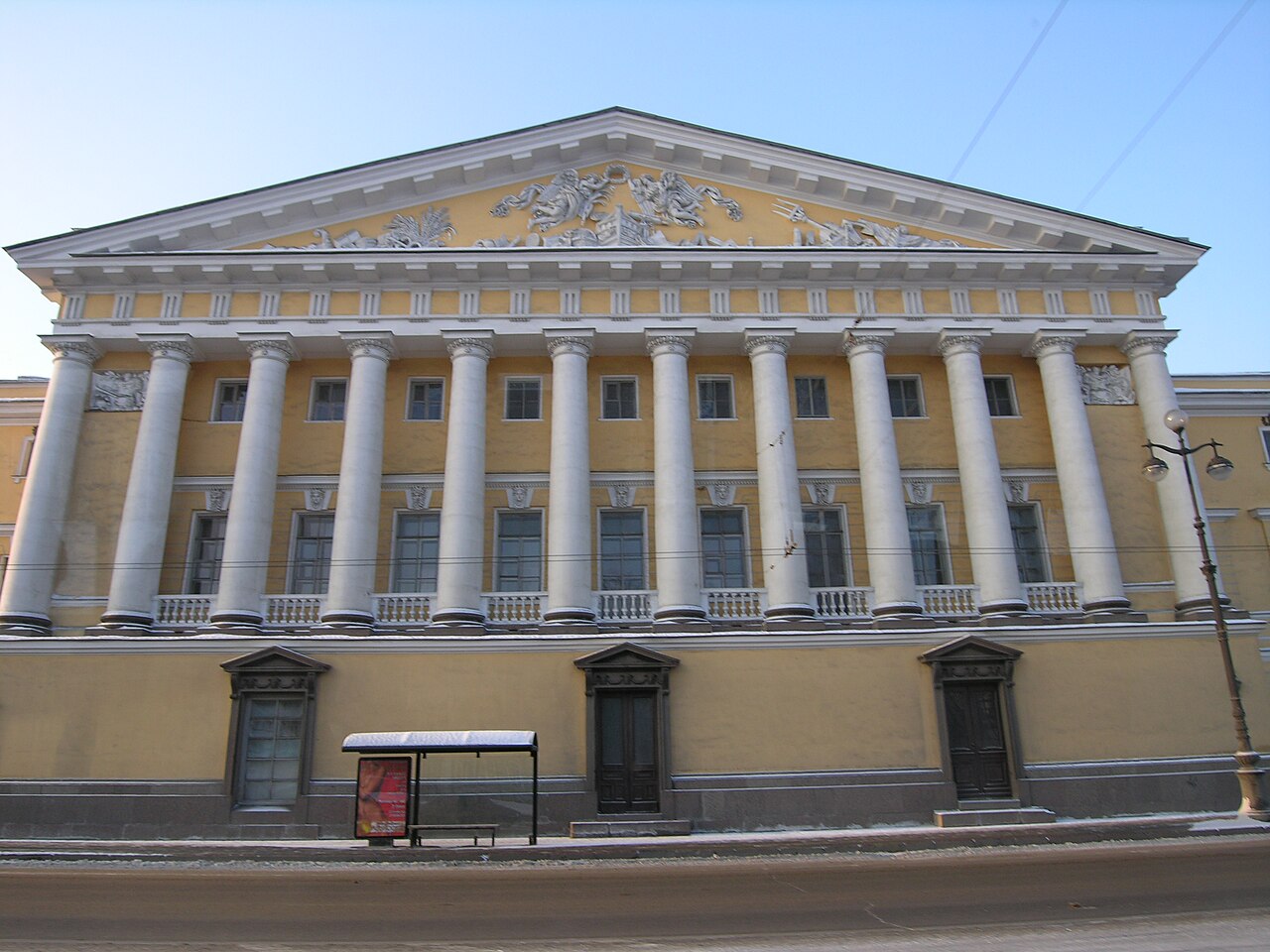
The Historic Centre of Saint Petersburg and Related Groups of Monuments received its World Heritage designation from UNESCO in 1991, a recognition that encompassed not just the city's historic core but also buildings and ensembles scattered across the immediate surrounding area. What made this collective listing distinctive was the architectural tapestry it preserved — a fusion of Baroque grandeur, Neoclassical restraint, and traditional Russian-Byzantine forms that together created a visual language unlike any other European capital. The designation covered 126 individual locations, a number that reflects how deeply the city's identity is woven from diverse structural traditions rather than a single stylistic period. By treating the centre and its satellite monuments as one unified site, UNESCO acknowledged that Saint Petersburg's heritage cannot be understood by examining any single building in isolation; the whole is a sustained dialogue between architectural schools spanning centuries and multiple cultural traditions.
The Fortress Network & Military Heritage
A striking proportion of the 126 designated sites are military in character, revealing how extensively Saint Petersburg's surroundings were fortified. The Historical Part of Kronstadt and its Fortress anchor the defensive system, joined by the Forts of the Island Kotlin — including Fort Den, Fort Shanz, Fort Catherine, Fort Rift, and Fort Constantin — as well as the Tolbukhin Signal Tower on Tolbukhin Island. Beyond the island, the Gulf of Finland was ringed by additional strongpoints: Obrutchev Fort, Totleben Fort, the North Forts Nos. 1 through 7, Paul Fort (Riesbank), Kronshlot Fort, Alexander Fort (known as "Tchumny"), and Peter Fort on the northern side, with South Forts Nos.
1 through 3 on the opposite shore. The coastal line added Fort Lissy Noss, Fort Inno, Grey Horse Fort, and Krasnaya Gorka. Civil engineering works — the Barrier of Cribwork, the Barrier of Pile, and the Barrier of Stone — further reinforced the water approaches. At the head of the Neva, the Oreshek Fortress on Orekhovy Island guards the river's source, completing a layered defensive architecture stretching from the Baltic coast to the city's very gateway.
The Palace-and-Park Landscape
Beyond the military infrastructure, the designation embraces an extraordinary concentration of palatial and garden ensembles that dot the city's periphery. Pushkin, Pavlovsk, Gatchina, Ropsha, Gostilitsy, Taytsy, Strelna, Petrodvorets, and Lomonosov (historically Oranienbaum) each contribute a palace-and-park complex alongside their own historical centres.
Smaller but equally significant are the named dachas and estates — Mikhailovka, Znamenka, Sobstvennaya Datcha, Sergeevka, Mordvinov's Estate, Maximov's Datcha, Zubov's "Otrada," Ratkov-Rozhnov's "Dubki," S. K. Grieg's "Sans Ennui," Zinoviev's Estate, Shuvalov's Estate, Viazemsky's Estate, and the celebrated Repin Estate "The Penates" near Komarovo. The Scientific Town-Institution of Physiologist I. P. Pavlov adds a unique institutional dimension, while the Pulkovo Observatory and the Coastal Monastery of Saint Sergius introduce scientific and spiritual layers. Together these sites form a green-and-stone corridor in which aristocratic leisure, scientific inquiry, and monastic tradition coexist within a single protected landscape.
Waterways, Roads & the Green Belt
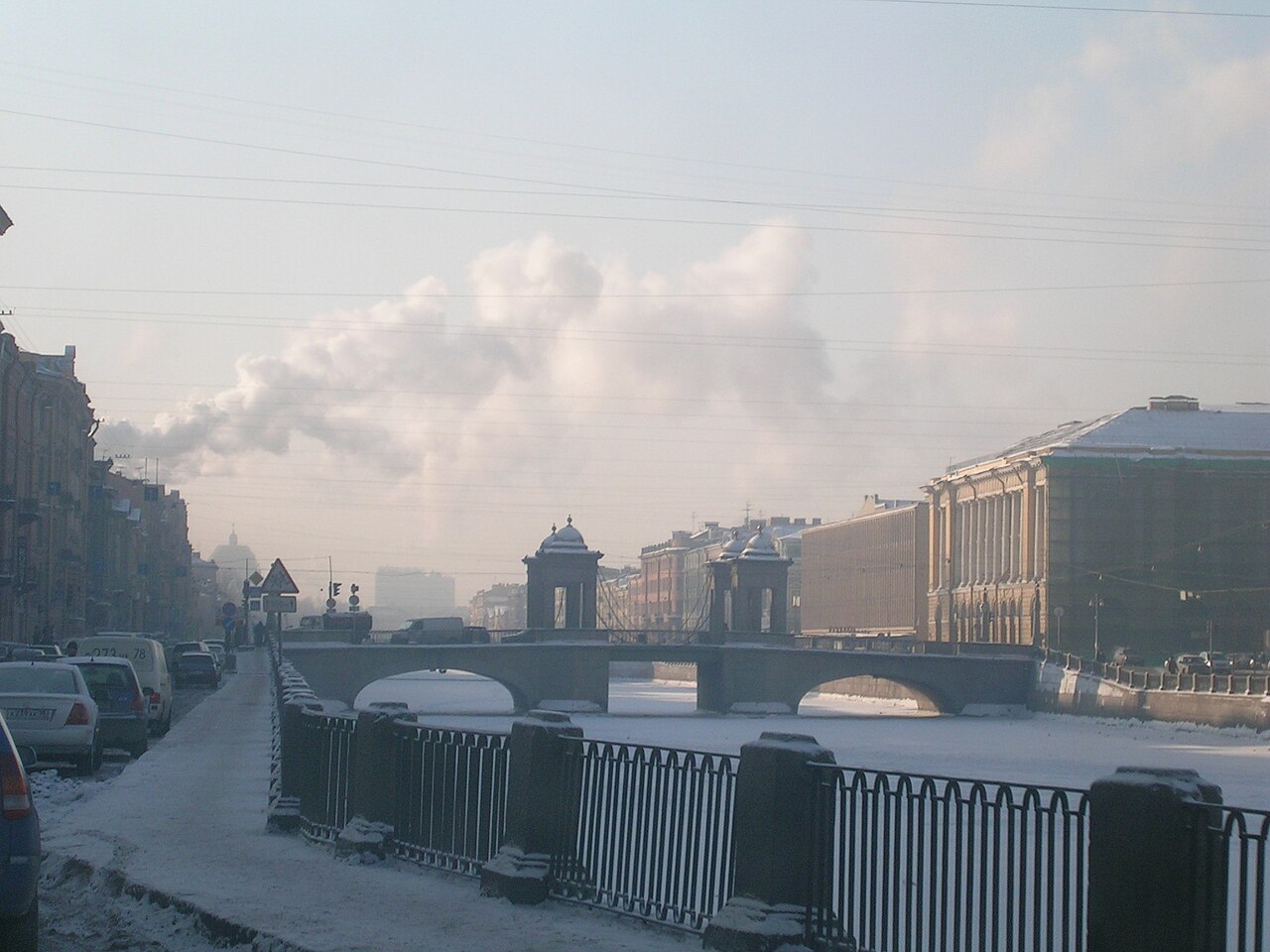
The designation extends well beyond buildings to encompass the physical infrastructure that shaped the city's growth. The River Neva with its banks and embankments forms the central water axis, while a network of canals — Ligovsky, the Maritime Channel, Petrovsky, Kronstadsky, and Zelenogorsky — stitched together the urban fabric.
Major highways radiate outward: Moskovskoye, Kievskoye, Volkhovskoe, Tallinskoye, Peterhofskoye, Ropshinskoye, Gostilitskoye, Primorskoye, Vyborgskoye, and Koltushskoye, along with the dedicated Highway Pushkin-Gatchina and the Railway Leningrad-Pavlovsk. Topographic features such as Izhorsky Bench, Dudergofs Heights, Koltushi Elevation, and Yukkovskaya Elevation are included, as are Sestroretsky Razliv, Lindulovskaya Rotcsha, and the Cemetery of the Village of Komarovo. Most poignantly, the Green Belt of Glory — comprising the Blockade Ring, the Road of Life, and the Oranienbaumsky Spring-Board — memorialises the city's wartime endurance, weaving collective memory into the protected landscape.
Reader's Guide
The site contains 126 locations including the Historic Centre of St. Petersburg, Historical Part of the Town of Kronstadt, Fortress of Kronstadt, Forts of the Island Kotlin, Redoubts Dena (Fort Den), Fort Shanz, Fort Catherine, Fort Rift, Fort Constantin, Tolbukhin Signal Tower on Tolbukhin Island, Forts of the Gulf of Finland, Obrutchev Fort, Totleben Fort, North Forts Nos. 1-7, Paul Fort (Riesbank), Kronshlot Fort, Alexander Fort ("Tchumny"), Peter Fort, South Forts Nos. 1-3, Forts of the Coast of the Gulf of Finland, Fort Lissy Noss, Fort Inno, Grey Horse Fort (Seraya Lochad), Krasnaya Gorka fort (Red Hill), Civil Engineering (the Barrier of Cribwork, the Barrier of Pile, the Barrier of Stone), Historical Centre of the Town of Petrokrepost (Shlisselburg), The Oreshek Fortress on Orekhovy Island at the source of the Neva, Palaces and Park Ensembles of the Town of Pushkin and its Historical Centre, Palaces and Parks of the town of Pavlovsk and its Historical Centre, Pulkovo Observatory, Palace and Park Ensemble of the Village of Ropsha, Palace and Park Ensemble of the Village of Gostilitsy, Palace and Park Ensemble of the Village of Taytsy, Palace and Park Ensemble of the Town of Gatchina and its Historical Centre, Ensemble of the Coastal Monastery of Saint Sergius, Palace and Park Ensemble of the Town of Strelna and its Historical Centre, Palace and Park Ensemble "Mikhailovka", Palace and Park Ensemble "Znamenka", Palace and Park Ensemble of the Town of Petrodvorets and its Historical Centre, Palace and Park Ensemble "Sobstvennaya Datcha", Palace and Park Ensemble "Sergeevka", Palace and Park Ensembles of the Town of Lomonosov and its Historical Centre, Historical Centre of the Town of Lomonosov (Oranienbaum) including the Palace and Park Ensemble of the Upper Park and Lower Garden, Mordvinov's Estate, Maximov's Datcha, Zubov's Estate "Otrada", Ratkov-Rozhnov's Estate "Dubki", S. K. Grieg's Estate "Sans Ennui", Datcha of the Hospital, Scientific Town-Institution of Physiologist I. P. Pavlov, Zinoviev's Estate, Shuvalov's Estate, Viazemsky's Estate, Sestroretsky Razliv, I.
More in World Heritage Sites in Russia
Sources
Compiled from Wikipedia and the sources listed below. Text from Wikipedia is available under CC BY-SA 4.0; this entry is adapted from it.
- Wikipedia: Historic Centre of Saint Petersburg and Related Groups of Monuments (CC BY-SA 4.0).
Spotted an error? Know more?
Reader corrections go straight into our review queue. Suggest an edit · How this site is sourced