Frequently Asked Questions
The most-asked questions about world heritage sites in greece.
What does it mean for a location in Greece to be a World Heritage Site?
It means UNESCO has inscribed the site on its World Heritage List because it meets criteria for outstanding universal value to all of humanity. The designation triggers international recognition, conservation obligations, and often increased funding for preservation work.
How many World Heritage Sites does Greece have?
Greece currently holds 19 inscribed sites, a number that has grown steadily since the first entries were approved in the late 1980s. That count places Greece among the countries with the highest number of sites in Europe.
Which Greek World Heritage Site is the most recognizable?
The Acropolis of Athens, inscribed in 1987 as the country's first entry, is almost universally the first name that comes to mind. The Archaeological Site of Delphi and the Meteora monasteries are other landmarks that consistently rank at the top of visitor interest.
Where should a first-time visitor start exploring the list?
Athens is the most practical entry point because the Acropolis, the Ancient Agora, and the Temple of Olympian Zeus are all walkable within the city center. From there, a short drive reaches Delphi, while flights to the Cyclades or the Peloponnese open up the remaining sites.
Are all the sites ancient Greek ruins?
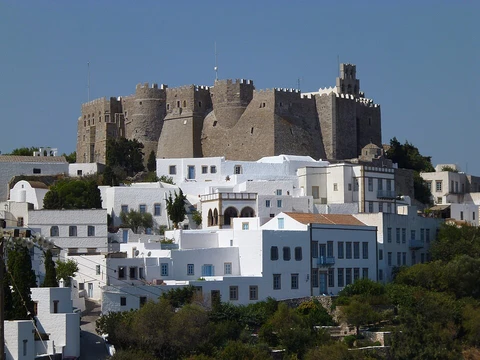
Not at all—several entries span the medieval, Byzantine, and Venetian periods, such as the Old Town of Corfu and the Monastery of Saint John at Patmos. Others, like the Prehistoric Sites of Thera on Santorini, blend geological history with Neolithic and Minoan archaeology.
Which regions of Greece are represented on the list?
Sites are spread across the Peloponnese, the mainland, the Aegean islands, Crete, and the Dodecanese, giving a broad geographic footprint. This means a visitor can encounter World Heritage sites in mountainous inland settings as well as coastal and island environments.
Who decides which Greek sites get inscribed?
The Greek Ministry of Culture and Sports prepares and submits nominations, but the final decision rests with the UNESCO World Heritage Committee, which convenes annually in a rotating host country. The committee evaluates each proposal against ten criteria covering cultural, historical, scientific, or aesthetic significance.
What is the most recently added Greek World Heritage Site?
The Archaeological Site of Lefkandi on the island of Euboea was the latest addition, recognized for its exceptionally well-preserved Bronze Age settlement layers. Earlier recent entries include the Prehistoric Sites of Thera and the Monastery of Saint John Theologos on Patmos.
Are there restrictions on visiting these sites?
Most sites are open to the public with timed-entry tickets, and several—like the Acropolis—cap daily visitor numbers to protect fragile structures. Certain zones within a larger site, such as restricted excavation areas at Delphi or private monastic quarters at Meteora, remain off-limits to tourists.
What makes Greek World Heritage Sites distinct from those in other countries?
Greece's entries span an unusually wide chronological range, from Neolithic settlements through the Classical, Hellenistic, Roman, Byzantine, and Venetian periods. This density of layered history packed into a relatively small geographic area is rare among the more than 1,100 sites on the global list.