The Wanderers
Wolverhampton Wanderers F.C. – a football club in the United Kingdom.

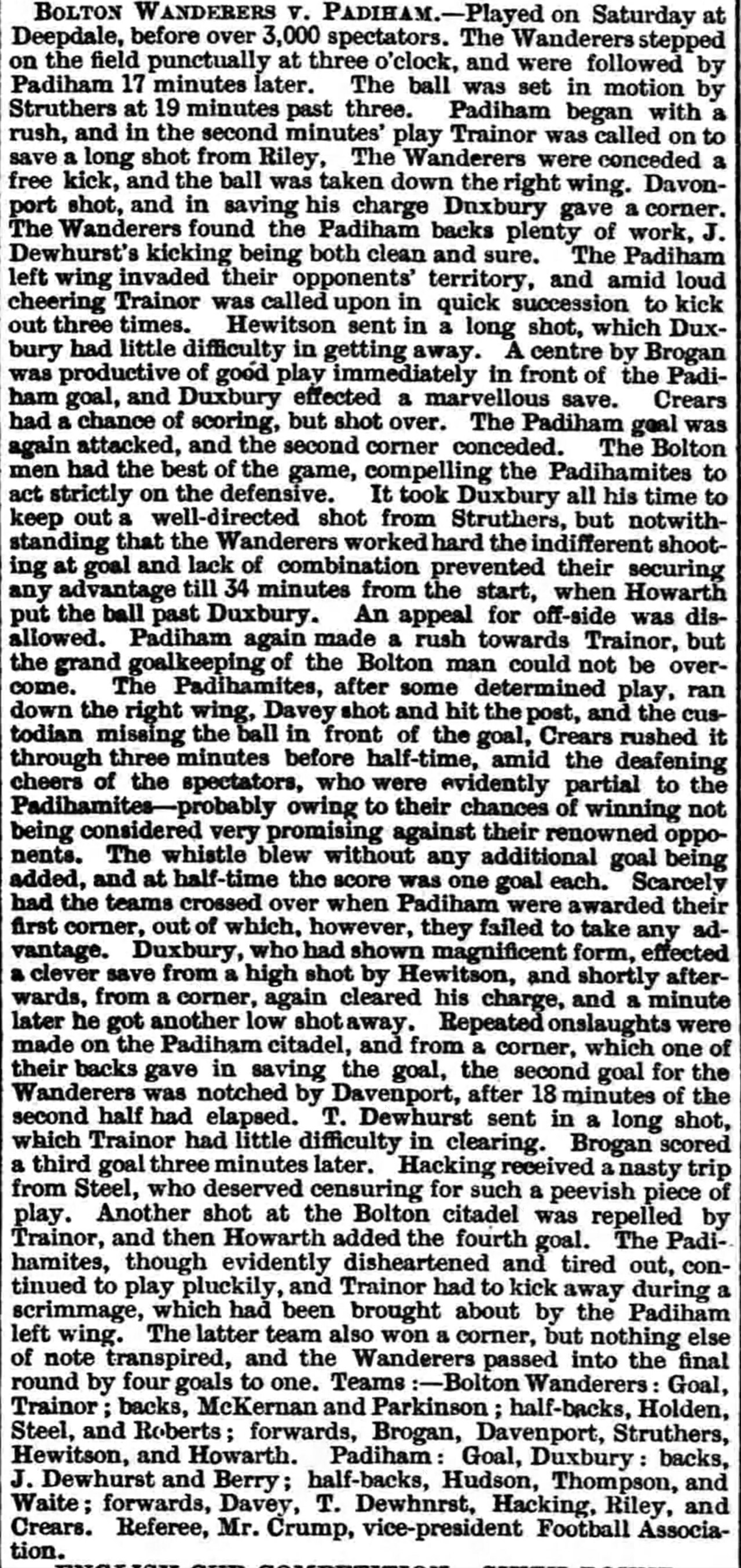
Bolton Evening News · Public domain
Wolverhampton Wanderers F.C. is a football club listed under sports teams in the United Kingdom.
Quick Facts
- Identity
- Supporters of Wolverhampton Wanderers F.C.
- Kit colours
- Gold and Black
- Home ground
- Molineux Stadium, Wolverhampton, West Midlands
- Common nickname
- The Wolves
- Local derby rivals
- West Bromwich Albion; Birmingham City
Lore & Background
The club is one of several Wanderers teams in England, alongside Bolton Wanderers F.C., Wycombe Wanderers F.C., and others.
Humble Beginnings and League Foundations
The club that would become one of English football's most storied names began in the most unglamorous of ways. In 1877, two pupils at St Luke's Church School in Blakenhall—John Baynton and John Brodie—were presented with a football by their headmaster, Harry Barcroft, and that simple gift sparked the creation of St. Luke's F.C. The young team played its first match on 13 January 1877 against a Stafford Road reserve side, and by August 1879 had merged with the football section of a local cricket club, Blakenhall Wanderers, to adopt the name Wolverhampton Wanderers. After playing on modest strips of land, the club settled at Dudley Road in 1881 and lifted its first trophy, the Wrekin Cup, in 1884. Their professional ambitions were validated in 1888 when they were selected as one of the twelve founding members of the Football League. In that inaugural season they finished third and reached their first FA Cup Final, falling 0–3 to Preston North End. By the end of that campaign they had moved permanently to Molineux, a venue that would become synonymous with their identity.
The Cullis Dynasty and European Pioneers
Under the management of Stan Cullis, Wolves achieved a level of sustained domestic dominance that few clubs have matched. The team was crowned English League champions three times—1953–54, 1957–58, and 1958–59—all with Cullis in the dugout. That era also produced two more FA Cup triumphs, in 1949 and 1960, cementing the club's status among England's elite. Beyond domestic success, Wolves played a quietly revolutionary role in the birth of European club competition. In 1953 they became one of the first British clubs to install floodlights at their home ground, and between 1953 and 1956 they staged televised floodlit friendlies against leading overseas sides. The most celebrated of these was the famous Honved game, which proved instrumental in the launch of the European Cup in 1955. Wolves then competed in the competition itself, reaching the quarter-finals in 1959–60, the semi-finals of the 1960–61 European Cup Winners' Cup, and the inaugural UEFA Cup Final in 1972.
Rock Bottom and the Great Climb
The early 1980s brought a crisis that threatened to erase the club entirely. A severe financial downturn during the recession pushed Wolves to the brink of liquidation in 1982. The sporting picture was equally dire: across the five seasons from 1981–82 to 1985–86, the team was relegated four times (with a single promotion in 1982–83), ultimately finding itself in the Football League Fourth Division—the lowest rung of the pyramid—for the first and only time in its history. Yet the response was remarkable. After losing the inaugural Football League play-off final in 1987, Wolves stormed to the Fourth Division title and the Football League Trophy in 1987–88, then captured the Third Division championship the following season. That rapid ascent restored the club to the second tier, where it remained for fourteen consecutive seasons between 1989 and 2003, a period that included their first-ever Premier League appearance via the 2003 play-offs, albeit followed by immediate relegation.
Modern Turmoil and the Europa League Final
The twenty-first century has been defined by volatility at Wolves. After a single-season Premier League spell in 2003–04, the club won the Championship in 2008–09 to return to the top flight, only to be relegated in 2011–12 and then dropped again to EFL League One in 2012–13. The recovery required winning the League One title in 2013–14 before capturing another Championship crown in 2017–18 to secure a renewed Premier League place. Ownership also shifted dramatically: since 2016 the club has been controlled by the Chinese conglomerate Fosun International. Perhaps the most significant modern achievement came in 2020, when Wolves reached the UEFA Europa League final—their first appearance in a UEFA competition final after a 39-year absence from European competition. The club's traditional old gold shirts, black shorts, and the wolf's head badge that has adorned the kit since 1979 remain constant symbols through all the upheaval, while the Black Country derby against West Bromwich Albion endures as the fiercest of their West Midlands rivalries alongside those with Aston Villa, Stoke City, and Birmingham City.
Gallery
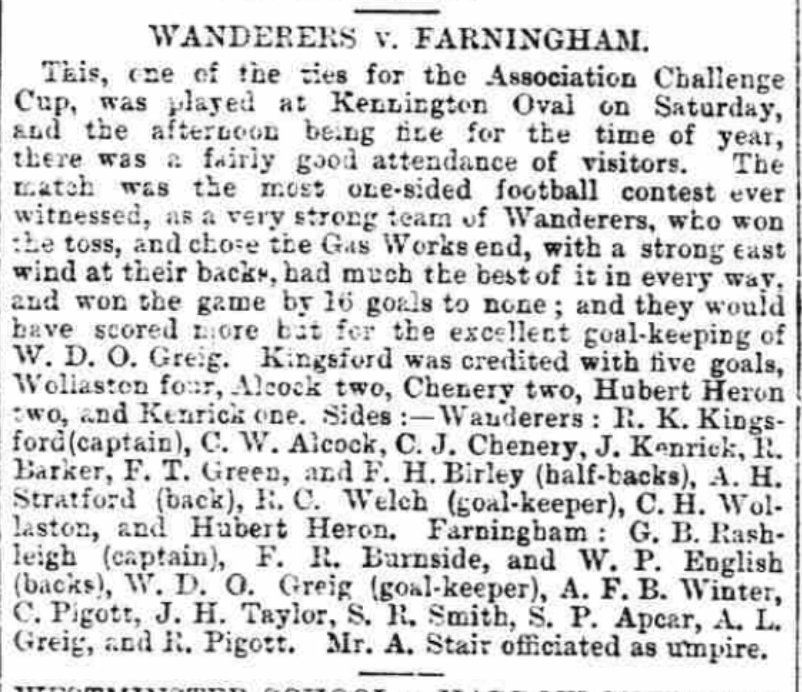
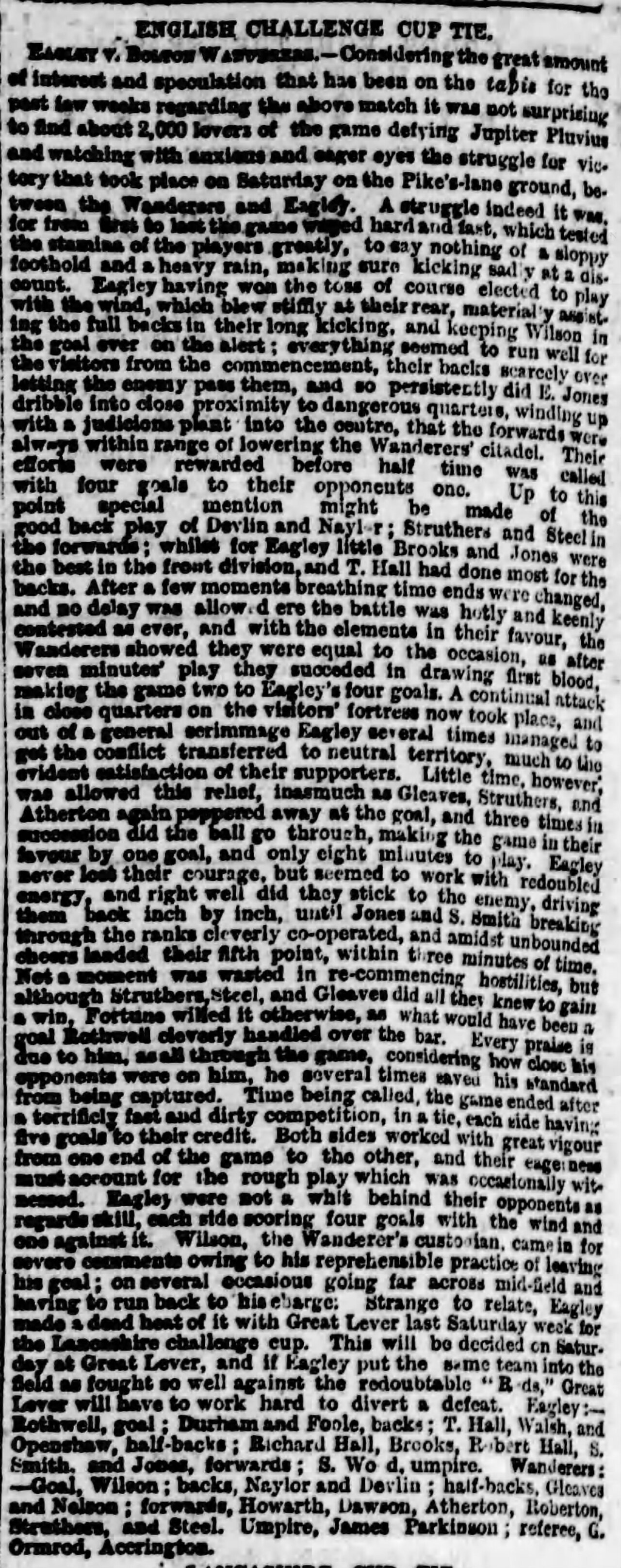
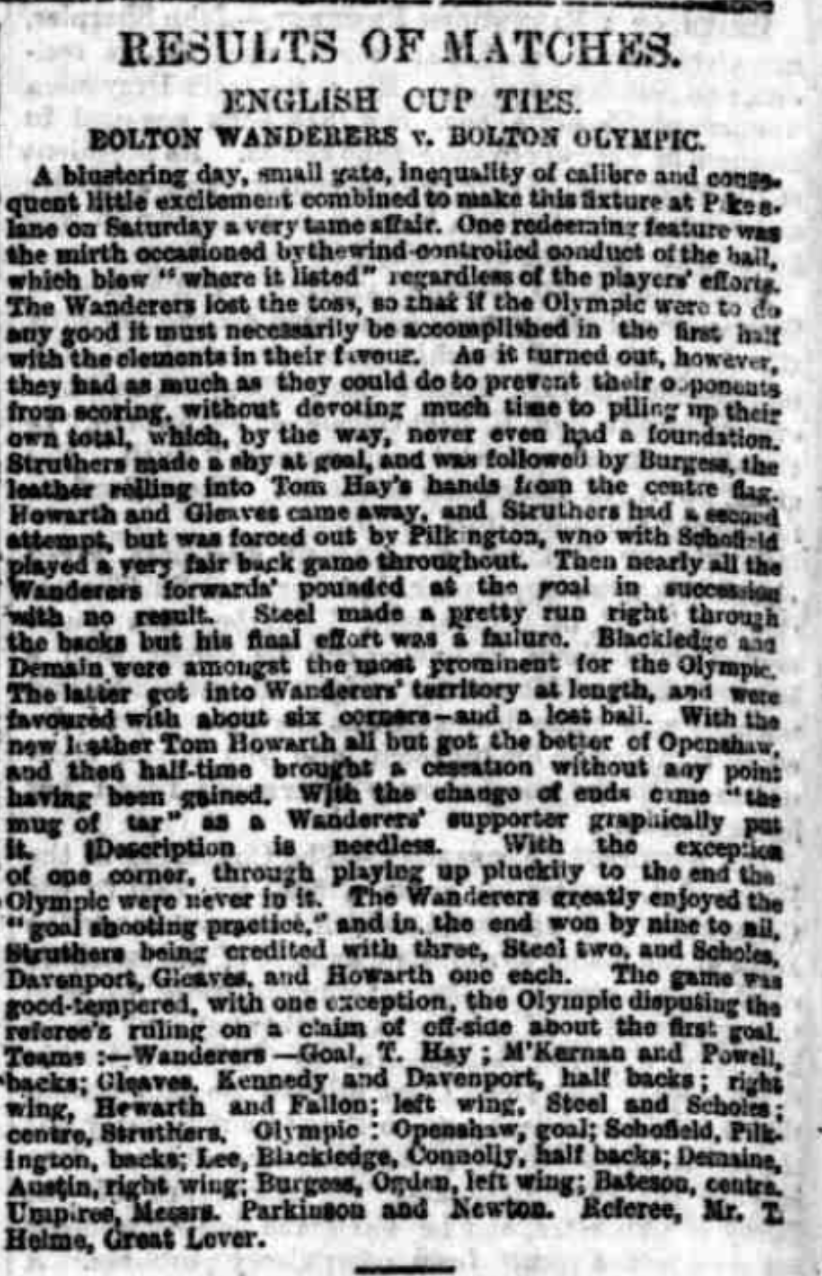

Frequently Asked Questions
Who are "The Wanderers"?
The Wanderers is the collective identity that unites every supporter of Wolverhampton Wanderers Football Club, from the stands at Molineux to fans scattered across the globe. It is not a single terrace group or club department but the shared name that binds the entire supporter community together.
Where does the name "The Wanderers" come from?
It traces back to the club's 1870s origins, when a loose band of churchmen and workers in Wolverhampton had no permanent pitch and simply moved from ground to ground. That itinerant, rootless character stuck to the club's name and became the defining spirit of its supporters ever since.
Is "The Wanderers" an official fan group or supporters' trust?
No, it carries no formal membership, bylaws, or single organising body. It is a cultural label that encompasses every person who identifies as a Wolves supporter, whether they stand in the away end at a derby or watch a match from a pub in another country.
What are the key colours and identifiers of The Wanderers?
The identity is anchored in gold and black, the club's traditional kit colours, with "The Wolves" as the most widely used nickname. Home is Molineux Stadium in Wolverhampton, West Midlands, and the local derby rivals are Walsall and West Bromwich Albion.
More in Stadium & Culture
Elsewhere in Wolverhampton Wanderers
Spotted an error? Know more?
Reader corrections go straight into our review queue. Suggest an edit · How this site is sourced