
Apolo Ohno
American short-track speed skater and eight-time Olympic medalist.
Last updated

Special Olympics 2017 · CC0
Apolo Anton Ohno, a retired American short-track speed skater, earned eight Olympic medals—two gold, two silver, and four bronze. He entered the International Sports Hall of Fame in 2017 and the U.S. Olympic Hall of Fame in 2019. Since his medal wins at the 2002 Winter Games, he has been the most recognizable figure in U.S. short-track skating. Raised solely by his father, Ohno committed to full-time training at age 14.

In 1997, he became the youngest U.S. national champion ever, then held that title from 2001 through 2007, winning it six times total (he did not win in 2004). He set another record in December 1999 as the youngest skater to claim a World Cup event title. In 2001, he became the first American to win the World Cup overall title, repeating the feat in 2003 and 2005.
He won his first overall World Championship title in 2003, and added overall World Championship gold in 2005 and 2008. His honors include being named U.S. Olympic Committee Male Athlete of the Month in March 2008, U.S. Speedskating’s Athlete of the Year for 2003, and a finalist for the Sullivan Award in 2002, 2003, and 2006. Outside competition, Ohno has worked as a motivational speaker and philanthropist, launched a nutritional supplement business, and won Dancing with the Stars in 2007. He later hosted a revival of Minute to Win It on Game Show Network and served as a commentator for NBC’s coverage of the 2014 Sochi and 2018 Pyeongchang Winter Games.
Early life
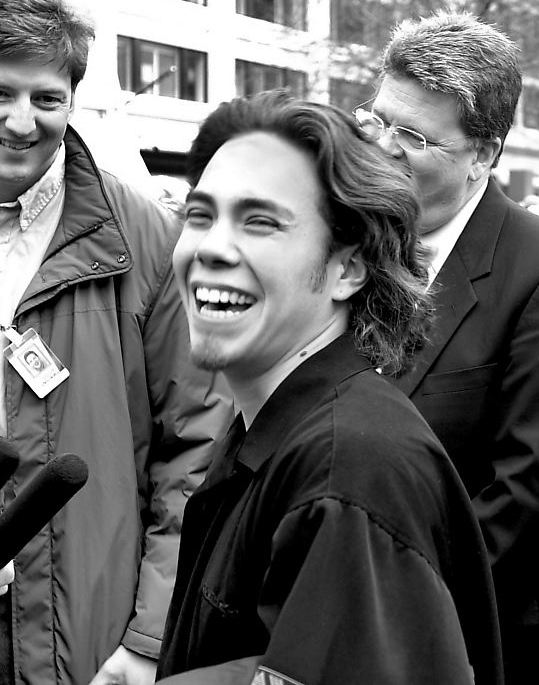
He has also pursued entrepreneurship in health, wellness, and technology. Born in Seattle, Washington, to Yuki Ohno, a Japanese-born father, and Jerrie Lee, a European-American mother, Ohno’s parents divorced when he was an infant. His father, a hairstylist and salon owner, worked long hours and had no extended family in the U.S., making parenting a challenge.
Ohno has had little contact with his biological mother or older half-brother; as of 2002, he expressed no interest in knowing them. His father chose the name Apolo not after the Greek god but from the Greek words apo (“steer away from”) and lo (“look out; here he comes”). As a young child, his father carefully selected childcare providers. To keep him occupied, Yuki enrolled Apolo in competitive swimming and quad-speed roller skating at age six.
Lore & Background
Ohno was born in Seattle, Washington, to a Japanese-born father, Yuki Ohno, and a European-American mother, Jerrie Lee. His parents divorced when he was an infant, and he was raised by his father. At age 6, his father involved him in competitive swimming and quad-speed roller skating. Ohno later became a national inline speedskating champion.
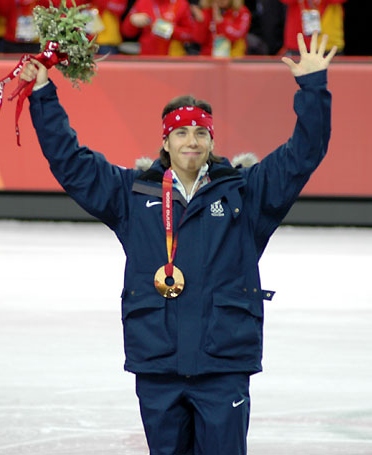
At 13, he became interested in short track after seeing the 1994 Olympics in Lillehammer, and his father drove him to competitions throughout the northwest United States and Canada. He was admitted to the Lake Placid Olympic Training Center in 1996 at age 14, the youngest skater admitted. Ohno became the youngest U.S. national champion in 1997 at age 14.

A Father's Sacrifice and a Name with Purpose
Apolo Ohno entered the world on May 22, 1982, in Seattle, Washington, the son of Japanese-born Yuki Ohno and European-American Jerrie Lee. His parents split when he was still an infant, leaving Yuki to raise his son largely alone in a country where he had no extended family. Working long twelve-hour shifts as a hair stylist and owner of the salon Yuki's Diffusion, the father meticulously vetted childcare providers so his boy would not grow up unsupervised. As Apolo matured, Yuki channeled his energy into structured activity—enrolling him in competitive swimming and quad-speed roller skating at just six years old.
Their daily rhythm was grueling: morning swim practice, a school day, then afternoon skating sessions. By twelve, Apolo had claimed the Washington state breaststroke title, though his heart clearly belonged to skating. Yuki himself chose the name Apolo not from the Greek god Apollo but from two Greek roots: apo, meaning to steer away from, and lo, meaning look out, here he comes. The father has spoken openly about the constant tension between honoring his son's growing need for independence and pushing him toward athletic excellence.
From Lake Placid to the World Stage
Seeing short track speed skating at the 1994 Lillehammer Games sparked something in thirteen-year-old Apolo, and his father immediately began driving him to competitions across the Pacific Northwest and into Canada. In 1996, Yuki secured his son a spot at the Lake Placid Olympic Training Center, making Apolo the youngest skater ever admitted. The following year, at fourteen, he captured the U.S. Senior Championships overall title—gold in the 1500 meters, silver in the 300, and a fourth-place finish in the 500—becoming the youngest national champion in the country's history. His momentum carried him to the Colorado Springs training center as a teenager.
By December 1999, he was the youngest skater to claim a World Cup event title, and in 2001 he became the first American ever to win the World Cup overall championship, a feat he repeated in 2003 and 2005. Over his career he amassed twelve national titles, held the reigning championship from 2001 through 2009, and claimed his first overall World Championship crown in 2008. His Olympic tally stands at eight medals—two gold, two silver, four bronze—earning him induction into the International Sports Hall of Fame in 2017 and the U.S. Olympic Hall of Fame in 2019.
Setbacks That Forged a Comeback
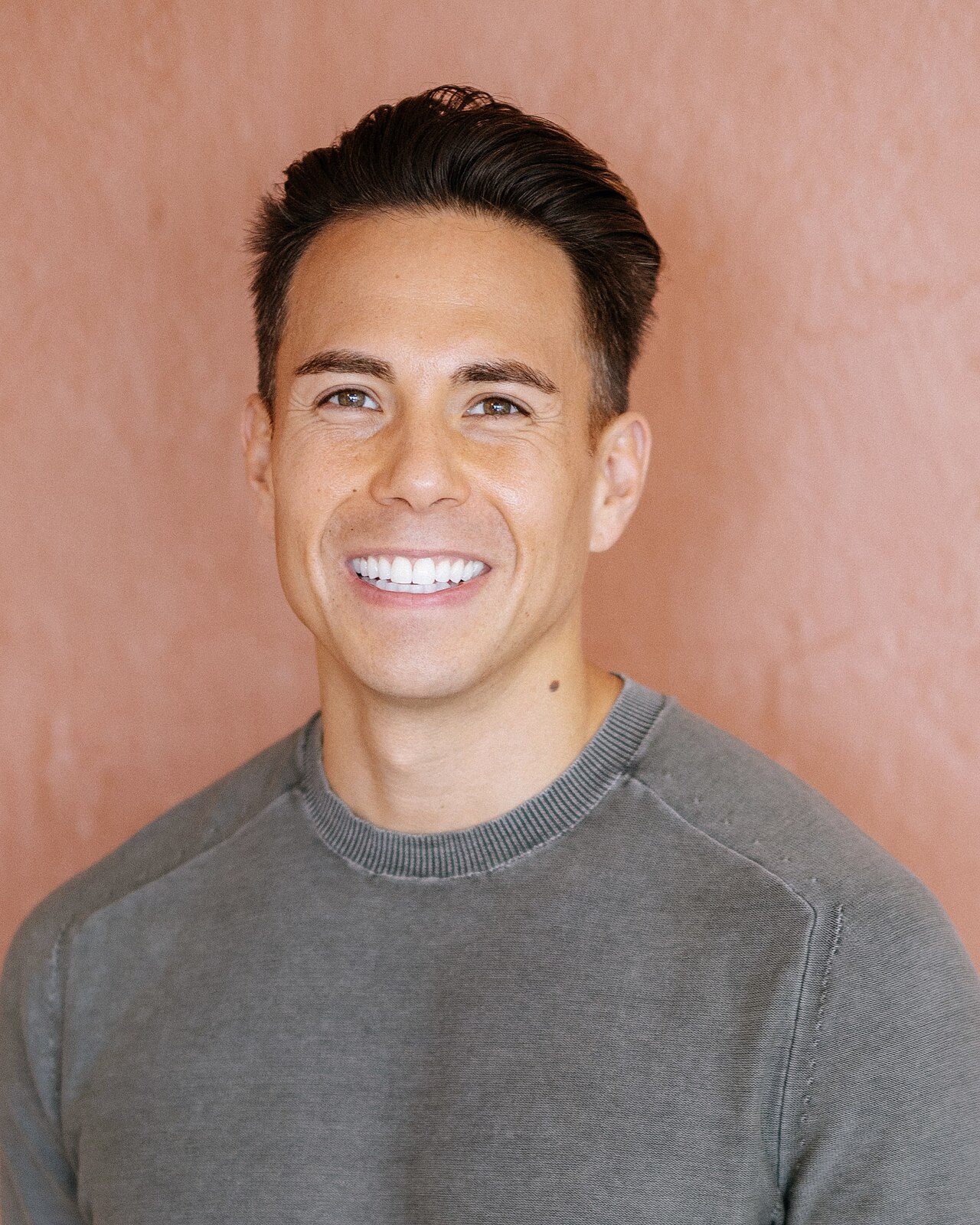
Early at Lake Placid, Ohno's commitment was shaky until his teammates gave him the nickname Chunky, a jab that galvanized him into serious training. Yet even after his triumphant 1997 national title, the 1997 World Championships in Nagano exposed how far he still had to go: he finished nineteenth overall. The defeat sent him back to Seattle, and from April through August of that year he stopped training entirely, gaining weight and falling out of competitive shape. The consequence was brutal—he finished last in the Olympic trials and missed the 1998 Nagano Games altogether.
Rather than quit, he dropped back to junior-level skating at Lake Placid and rebuilt from the ground up. The 1999 World Junior Championships became his redemption, with first-place finishes in the 1000 and 1500 meters plus a silver in the 500. The 2000 season still brought stumbles: a third-place finish at the U.S. Championships and ninth at Worlds. But the 2000–01 campaign delivered his first World Cup overall title, a regained national championship, and a runner-up World Championship result behind China's Li Jiajun—proof that the setbacks had hardened him rather than broken him.
Life After the Rink
Once his competitive years concluded, Ohno refused to let the spotlight dim. He has built a career as a motivational speaker and philanthropist, using his platform to encourage others. In the business world, he launched a nutritional supplement company and has pursued entrepreneurial ventures spanning health, wellness, and technology. His entertainment foray reached a peak when he won the 2007 season of Dancing with the Stars, proving his competitive drive translated well beyond the ice.
He later took the host chair for the Game Show Network revival of Minute to Win It, bringing his energetic personality to a national television audience. On the broadcast side, he served as an on-air commentator for NBC's coverage of both the 2014 Sochi Winter Games and the 2018 Pyeongchang Games, guiding viewers through the very sport that defined his youth. His accolades from the competitive era—U.S. Speedskating Athlete of the Year in 2003, multiple USOC Male Athlete of the Month honors, and three Sullivan Award finalist nods—remind the public that the man behind the microphone and the business ventures was once the face of American short track speed skating.
Reader's Guide
Apolo Ohno's significance lies in his role as the most decorated American short-track speed skater in Olympic history, with eight medals across three Winter Games. His career helped popularize short-track speed skating in the United States, particularly after his performances at the 2002 Salt Lake City Olympics, where he became a household name despite controversies surrounding race outcomes.
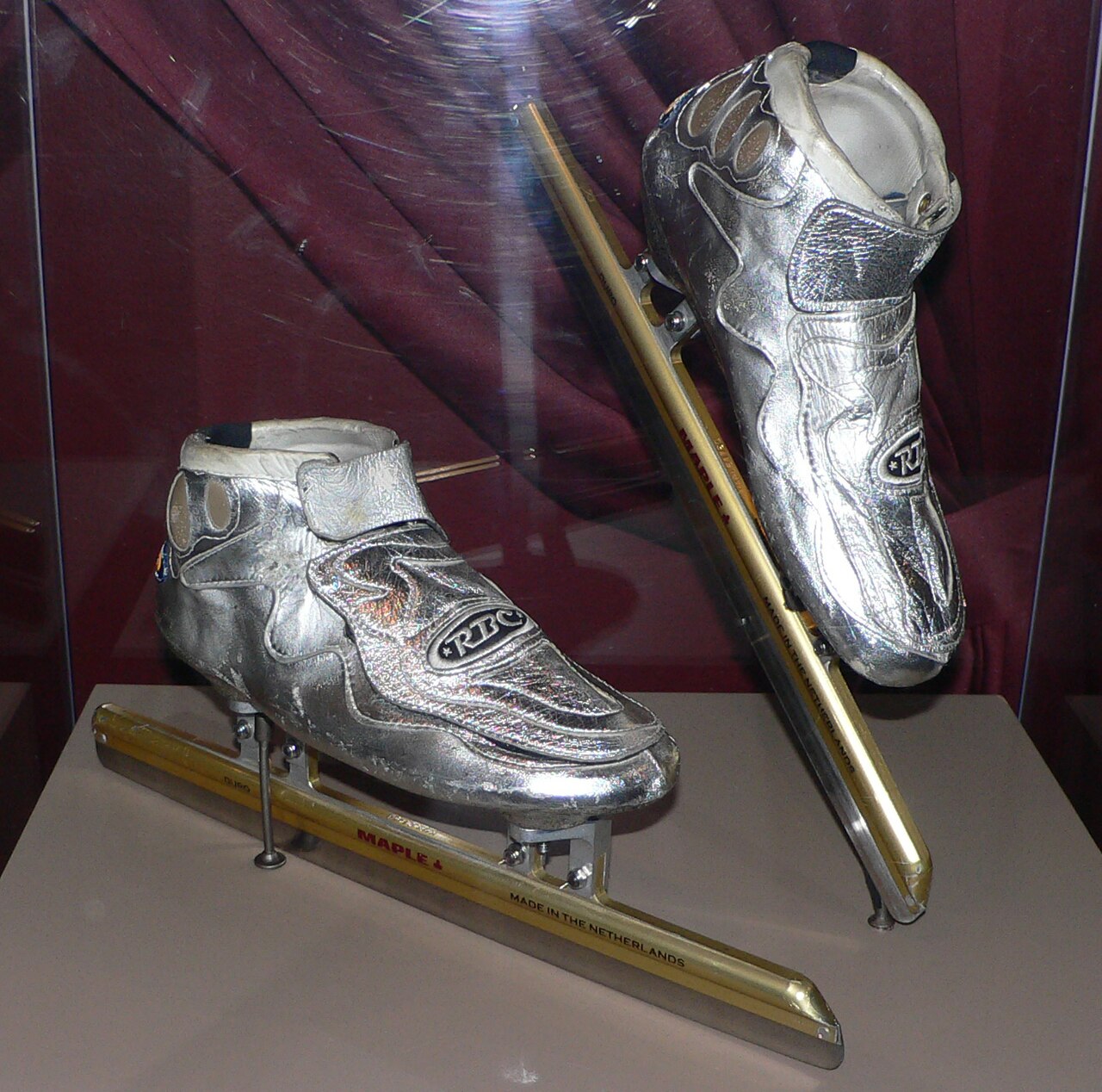
Ohno's longevity in the sport is notable: he was the reigning U.S. national champion from 2001 to 2009, winning the title 12 times, and was the first American to win a World Cup overall title. Beyond competition, he expanded his influence as a motivational speaker, philanthropist, entrepreneur in health and technology, and television personality, winning Dancing with the Stars in 2007 and later hosting Minute to Win It and serving as a commentator for NBC's Olympic coverage. His induction into the International Sports Hall of Fame in 2017 and the U.S. Olympic Hall of Fame in 2019 cements his legacy as a transformative figure in his sport.
Frequently Asked Questions
Who is Apolo Ohno?
Apolo Anton Ohno is a retired American short-track speed skater born on May 22, 1982. Since his medal-winning run at the 2002 Winter Olympics, he has been the most recognizable name in U.S. short-track skating.
How did Apolo Ohno get started in short-track skating?
Raised solely by his father, he dedicated himself to full-time training at age 14. That early commitment launched a career that eventually made him a ten-time national champion and an eight-time Olympic medalist.
More in Winter Sports
Sources
Compiled from Wikipedia and the sources listed below. Text from Wikipedia is available under CC BY-SA 4.0; this entry is adapted from it.
- Wikipedia: Apolo Ohno (CC BY-SA 4.0).
Spotted an error? Know more?
Reader corrections go straight into our review queue. Suggest an edit · How this site is sourced