
Bjørn Dæhlie
Norwegian cross-country skier with 29 Olympic and World Championship medals.
Last updated

http://www.peakinnovation.se · CC BY 3.0
Bjørn Erlend Dæhlie (born 19 June 1967) is a Norwegian businessman and former cross-country skier. Between 1992 and 1999, he claimed the Nordic World Cup title six times, with runner-up finishes in 1994 and 1998. Over the period from 1991 to 1999, Dæhlie collected 29 medals at the Olympics and World Championships, a tally that makes him the most decorated male cross-country skier ever.
Early life and career
Dæhlie was born in Elverum, Norway, and later settled in Nannestad Municipality. He credits his early involvement in hunting, fishing, hiking, kayaking, football, and skiing for his athletic success.
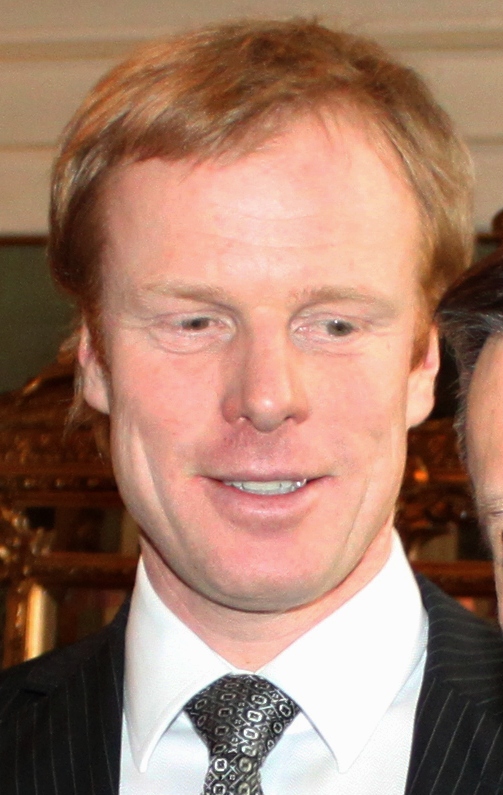
As a child, he wanted to be a footballer, but a coach encouraged him to try Nordic skiing. He did not excel immediately as a junior racer but steadily improved, eventually earning a spot in FIS World Cup competitions. In 2018, while seeking municipal approval for a Coop store, he claimed his family roots are in Alvdal Municipality.
Athletic career
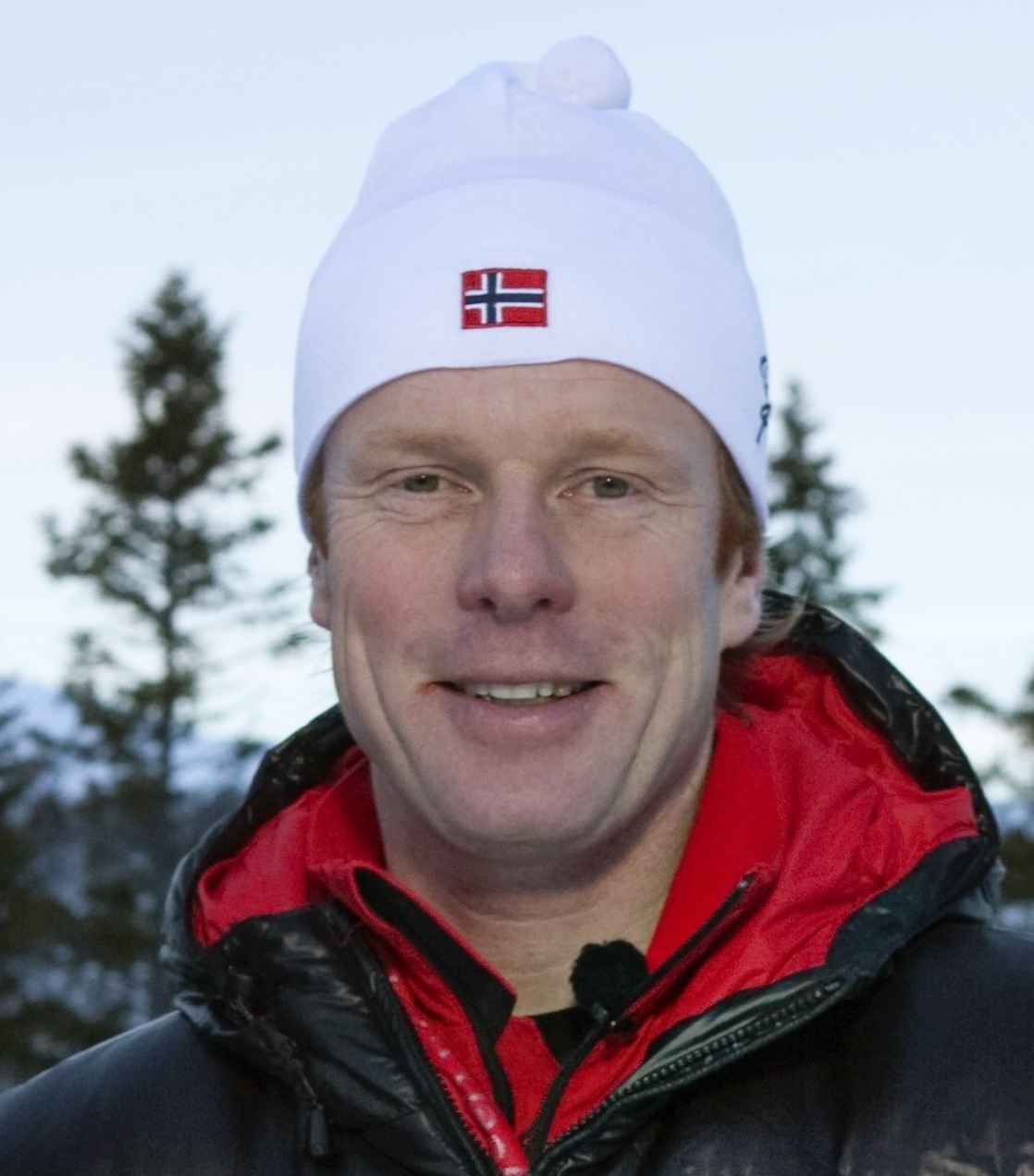
Dæhlie first joined the Norwegian ski team for the 1988 Calgary Olympics but did not race, instead learning from senior skiers; he later called those Games a turning point for Norwegian skiing. He debuted in the World Cup in January 1989 with an 11th-place finish in the 15 km freestyle at Kavgolovo, and by December of that year he won his first World Cup race, the 15 km freestyle. At the 1991 World Championships in Val di Fiemme, he won his first world gold in the 15 km freestyle—an unexpected victory that marked Norway’s first individual male gold at the Worlds since Oddvar Brå’s in 1982. He also skied the final leg of the winning 4 × 10 km relay.
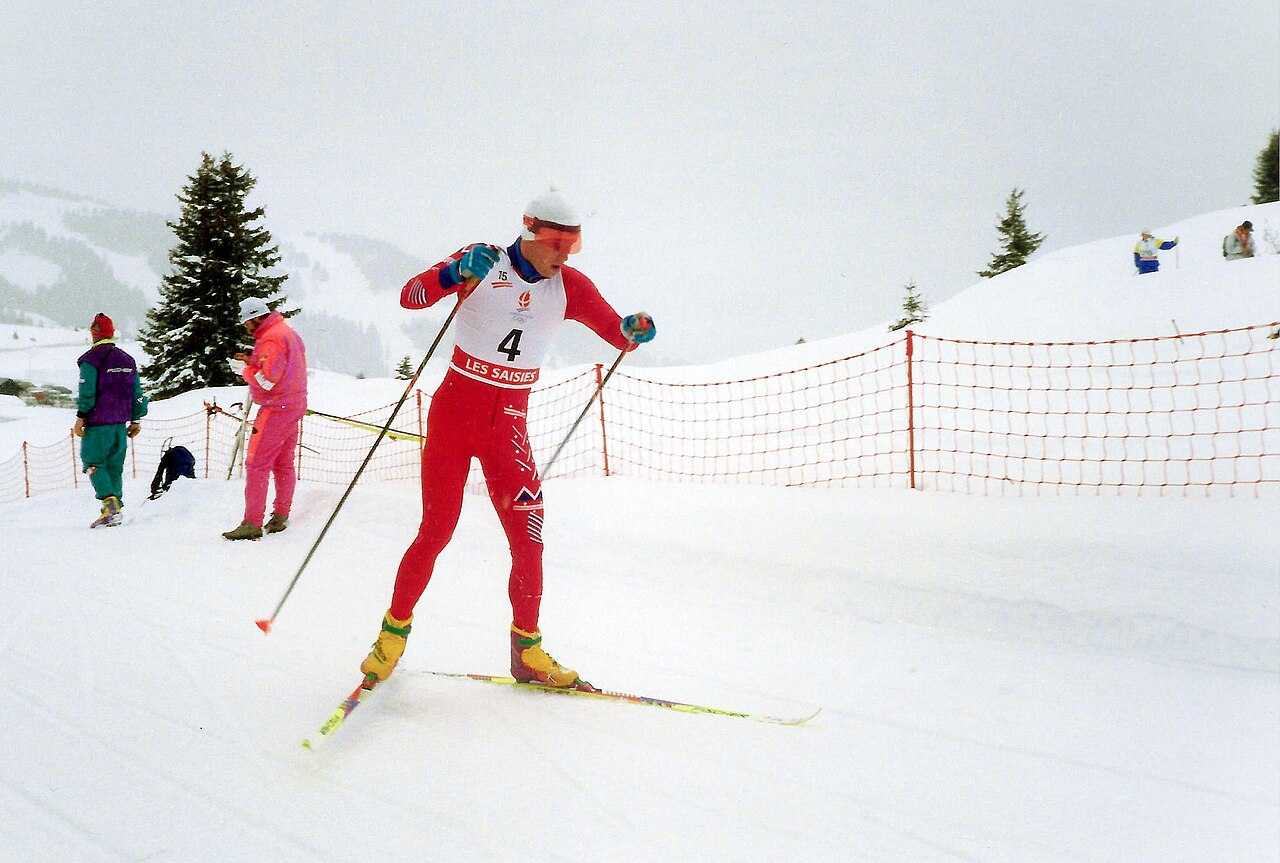
His dominance began in 1992, when he won his first of six World Cup overall titles. At the Albertville Olympics, he took gold in the 15 km freestyle, the 50 km freestyle, and the 4 × 10 km relay, plus a silver in the 30 km classical. He finished fourth in the 10 km freestyle, where teammate Vegard Ulvang won gold.
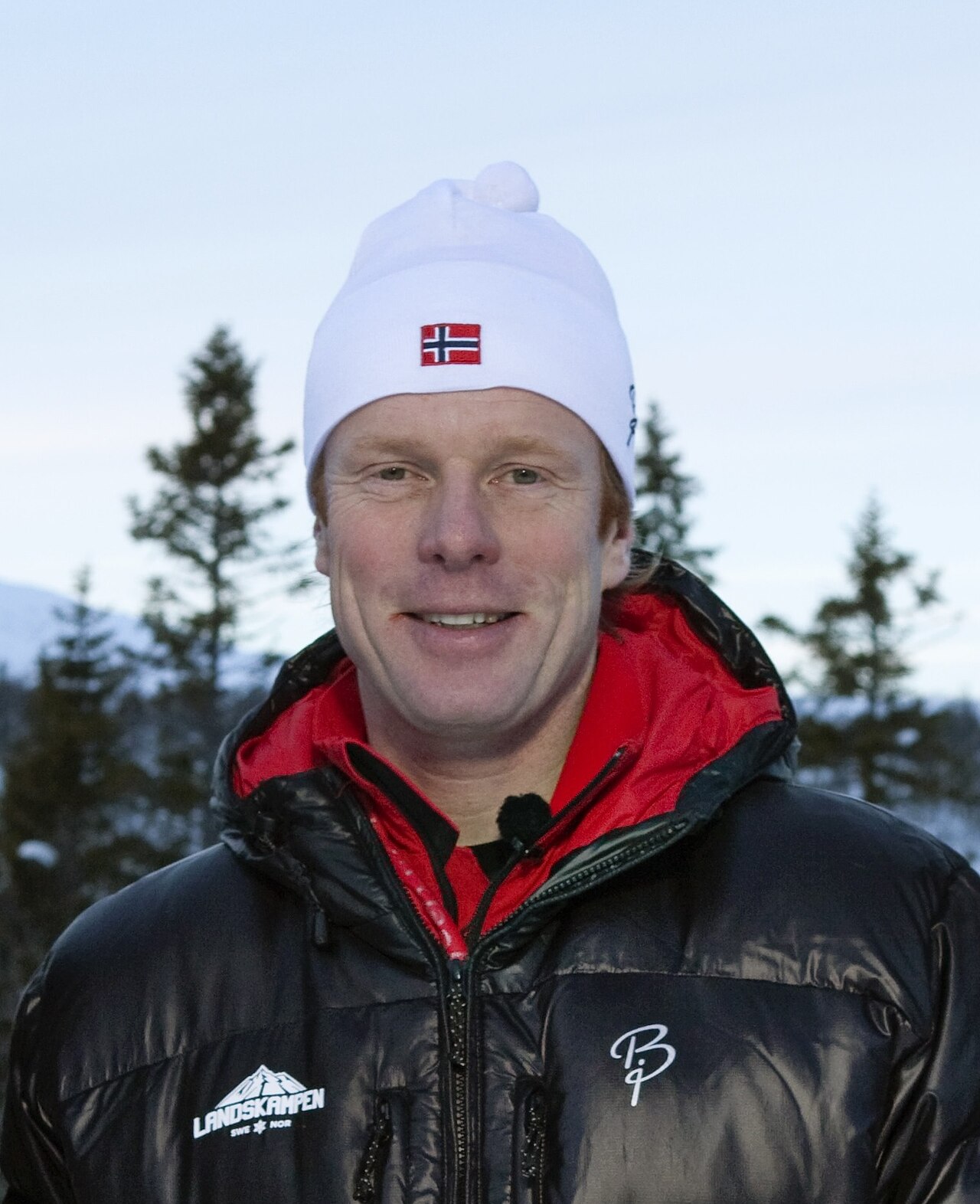
Dæhlie completed the relay’s final leg backwards, winning by over 90 seconds. He and Ulvang swept all cross-country golds, each earning three golds and a silver. Dæhlie received the Fearnley’s Olympic Prize for Norway’s best Olympic performance.
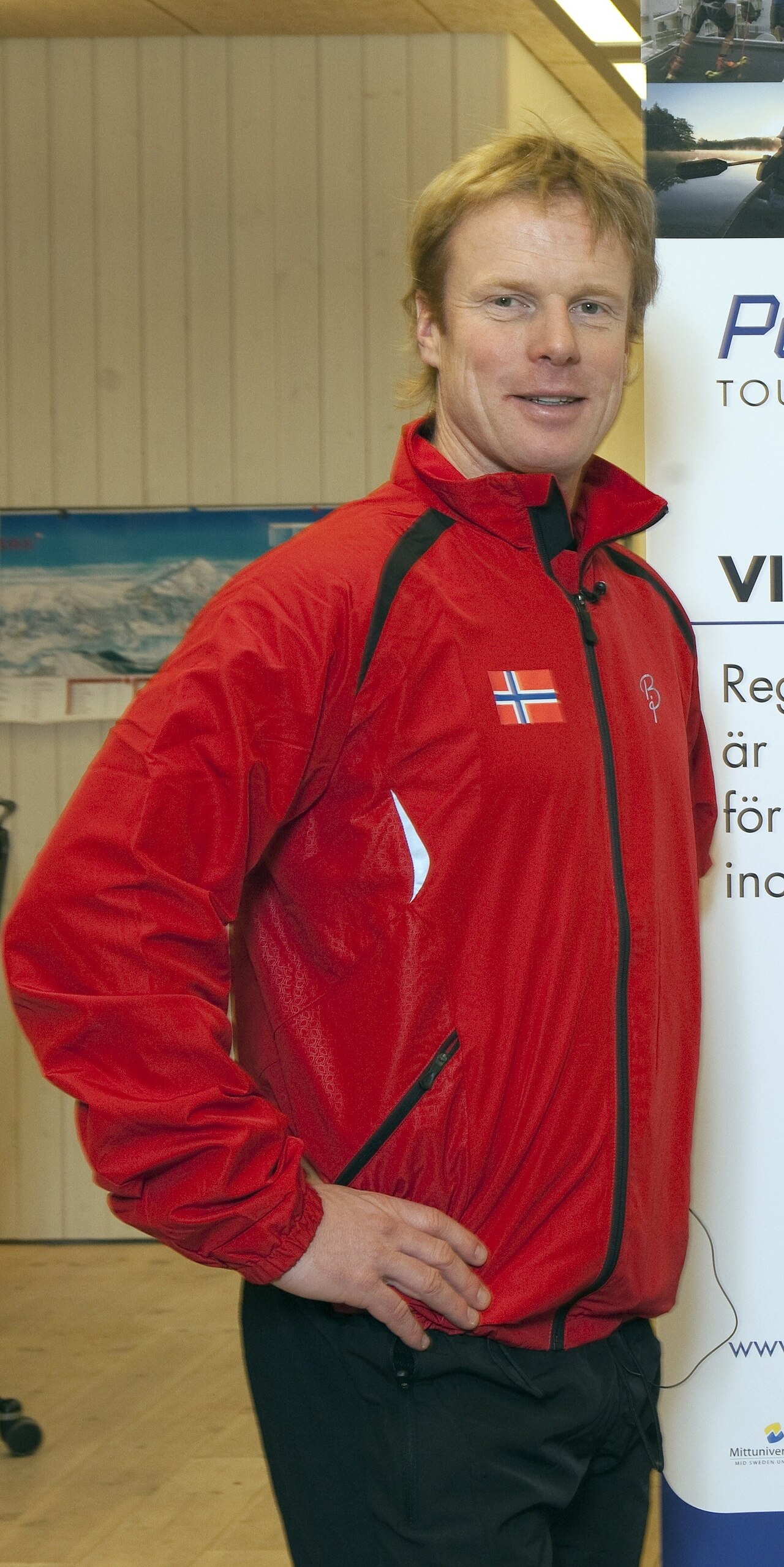
At the 1994 Lillehammer Olympics, Dæhlie won gold in the 10 km classical and the 15 km freestyle pursuit, and silver in the 30 km classical, beaten by compatriot Thomas Alsgaard.
Lore & Background
Born in Elverum, Norway, Dæhlie later moved to Nannestad Municipality. He attributes much of his success to an active childhood involving hunting, fishing, hiking, kayaking, football, and skiing.
He initially wanted to be a football player but tried Nordic skiing after a coach prompted him. He did not have immediate success as a junior racer but consistently improved and eventually qualified for the FIS World Cup. In 2018 he claimed his family comes from Alvdal Municipality while answering the public during a meeting about building a Coop store.
Dæhlie made his Olympic debut as a non-competing team member in 1988. He won his first World Championship gold in 1991 in the 15 km freestyle.
His period of dominance began in 1992, when he won his first World Cup overall title and three Olympic gold medals in Albertville. He won gold in the 15 km freestyle and the 50 km freestyle, plus the 4 × 10 km relay. He also won races at the Holmenkollen ski festival.
Reader's Guide
Bjørn Dæhlie is widely regarded as the most successful male cross-country skier in history, with a total of 29 medals from the Olympics and World Championships between 1991 and 1999. His eight Olympic gold medals and twelve total Olympic medals set long-time records for the Winter Olympics, though his compatriot Johannes Høsflot Klæbo surpassed the gold medal record in 2026. Dæhlie won the Nordic World Cup overall title six times between 1992 and 1999, finishing second in 1994 and 1998. He also won 17 World Championship medals, including nine golds.
His career was cut short by a roller skiing accident in 1999, preventing him from competing in the 2002 Winter Olympics. Despite this, his dominance in the 1990s and his measured VO2 max of 96 ml/kg/ml—with the possibility of exceeding 100 ml/kg/ml at peak—underscore his physical prowess. Dæhlie's legacy includes not only his competitive achievements but also his sportsmanship, exemplified by waiting 20 minutes at the finish line for Kenyan skier Philip Boit, who later named a child Dæhlie Boit.
Career statistics and honours
Medals
- Gold Olympic Games — 1992 Albertville 10 km + 15 kmcombined pursuit
- Gold Olympic Games — 1994 Lillehammer 10 km classical
- Gold Olympic Games — 1998 Nagano 10 km classical
- Silver Olympic Games — 1992 Albertville 30 km classical
- Silver Olympic Games — 1994 Lillehammer 30 km freestyle
- Silver Olympic Games — 1998 Nagano 10 km + 15 kmcombined pursuit
- Gold World Championships — 1991 Val di Fiemme 15 km freestyle
- Gold World Championships — 1993 Falun 30 km classical
- Gold World Championships — 1995 Thunder Bay 4 × 10 km relay
- Gold World Championships — 1997 Trondheim 10 km classical
- Silver World Championships — 1995 Thunder Bay 10 km classical
- Silver World Championships — 1997 Trondheim 30 km freestyle
- Silver World Championships — 1999 Ramsau 4 × 10 km relay
- Bronze World Championships — 1993 Falun 50 km freestyle
Tables copied from the source article, totals included as the source gives them: Wikipedia: Bjørn Dæhlie (CC BY-SA 4.0). Wide tables scroll sideways.
Did You Know?
- Dæhlie measured a VO2 max of 96 ml/kg/min, and the testing physiologist said he might have passed 100 ml/kg/min at his absolute peak.
- His real estate investments have produced a fortune of more than half a billion kroner.
Frequently Asked Questions
Who is Bjørn Dæhlie?
Bjørn Erlend Dæhlie is a Norwegian former cross-country skier born on 19 June 1967 in Elverum. He is widely regarded as the most successful male cross-country skier in history, having dominated the sport throughout the 1990s.
What is Bjørn Dæhlie's most notable World Cup record?
He claimed the overall Nordic World Cup title six separate times during the 1992-to-1999 window. He also finished as runner-up in 1994 and 1998, meaning he reached the top two spots in seven of those eight seasons.
More in Winter Sports Stars
Sources
Compiled from Wikipedia and the sources listed below. Text from Wikipedia is available under CC BY-SA 4.0; this entry is adapted from it.
- Wikipedia: Bjørn Dæhlie (CC BY-SA 4.0).
- Statistics, medals and awards: the tables of the source article.
Spotted an error? Know more?
Reader corrections go straight into our review queue. Suggest an edit · How this site is sourced