Vespaiola
A Veneto white grape known for sweet passito wines.
Vespaiola is a white wine grape variety primarily grown in the Veneto region of northeastern Italy, where it is often dried to produce passito dessert wines. It is an important component in the Breganze DOC white wine, alongside Friulano. The name derives from the Latin for wasp, which are attracted to the grape's high sugar content.
Quick Facts
- Species
- Vitis vinifera
- Also called
- See list of synonyms
- Origin
- Italy
Facts from the source article.
Did You Know?
- Vespaiola should not be confused with the red grape Vespolina from Piedmont and Lombardy.
- Synonyms for Vespaiola include Bresparola, Uva Vespera, and Vespera.
Wine regions
The Breganze DOC, in the Alpine foothills, holds significant Vespaiola plantings. Grapes for the DOC must be harvested at a maximum yield of 14 tonnes/hectare (13 tonnes for the varietal), with finished wine reaching a minimum alcohol of 11% (11.5% for the varietal). The Breganze white blend may include up to 15% Vespaiola, primarily with Friulano, and also Pinot bianco, Pinot grigio, Riesling Italico, and Sauvignon blanc. The varietal wine must be entirely Vespaiola, with stricter yields and higher alcohol. A superiore style requires at least 12% alcohol. Dessert wine from partially dried grapes may be labeled Torcolato. Other DOCs permitting Vespaiola include Bagnolo di Sopra (up to 10% with Chardonnay, Sauvignon blanc, Friulano), Merlara (up to 50% with Friulano), and Vicenza (up to 50% with Garganega).
Viticulture and winemaking
The name Vespaiola comes from the Latin vespa, referring to wasps drawn to the grapes' high sugar as they ripen late. Wasps can damage grapes and endanger vineyard workers. In favorable vintages, grapes may be left on the vine to desiccate into January, or harvested and dried indoors on mats or hung from ceilings. Despite high sugar, Vespaiola retains notable acidity to balance sweetness. Some producers age the wine in oak barrels.
Wine styles
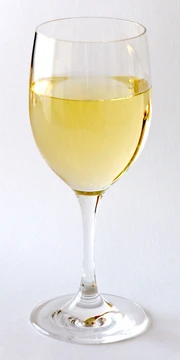
Passito Vespaiola wines show a golden color with aromas of apricots, honeysuckles, and spice from oak aging. The grape's high acidity balances its sugar, and producers have experimented with Sauternes-style wines using Botrytis cinerea. When fermented dry, Vespaiola yields light-bodied wines with high acidity and few of the aromatic notes found in its sweet versions.
More in White Wine Grape Varieties from Italy
Spotted an error? Know more?
Reader corrections go straight into our review queue. Suggest an edit · How this site is sourced