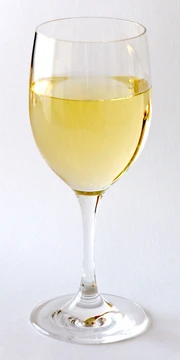
Verdea (grape)
A versatile Tuscan-origin grape now mainly grown in Lombardy.
Verdea is a white wine grape from Italy, first grown in Tuscany but now mainly found in Lombardy. People often mix it up with Apulia’s Verdeca or Savoy’s Verdesse because their names sound alike. This versatile grape produces everything from late-harvest Vin Santo to dry sparkling wines.
Quick Facts
- Earliest mention
- 1303
- First described in
- 1600
- Primary region
- Lombardy
- Notable village
- San Colombano al Lambro
Facts from the source article.
Did You Know?
- Verdea has good resistance to botrytis bunch rot, benefiting late-harvest and passito wine production.
- The grape has been known under synonyms including Colombana, Colombana bianca, and Verdicchio Giallo.
- At least one Italian producer in Lombardy blends Verdea with Riesling.
History and relationship to other grapes
The earliest mention of Verdea was by Pietro de' Crescenzi in his 1303 account of grape varieties growing in Tuscany. Giovan Vettorio Soderini later described it in his posthumously published work from 1600 as a Tuscan grape much admired in the region. DNA analysis in 2007 suggested that the red wine grape Sangiovese Forte may be a color mutation of Verdea, contradicting earlier 2005 DNA profiling that had concluded it was a clone of Sangiovese.
Wine regions
In 2000, 152 ha of Verdea were growing in Italy, the vast majority in Lombardy around San Colombano al Lambro in the province of Milan. Outside Lombardy, it is also found in the province of Pisa in Tuscany and in the province of Piacenza in Emilia-Romagna. Up to the mid-20th century, it was widely grown in the Trebbia valley between Genoa and Piacenza, often blended for Vin Santo. Today it is a permitted blending variety in several DOC and IGT zones including Colline del Milanese.
More in White Wine Grape Varieties from Italy
Spotted an error? Know more?
Reader corrections go straight into our review queue. Suggest an edit · How this site is sourced