Ortrugo
A white grape from Emilia-Romagna used in still and sparkling DOC wines.
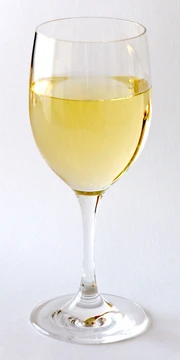
Ortrugo is a white wine grape variety cultivated in the Piacenza hills of Emilia-Romagna, often blended with Malvasia in the region's DOC wines. It is noted for moderate acidity, high alcohol potential, and a tendency to produce deep yellow-colored wines. The grape is also used in both frizzante and spumante sparkling styles.
Quick Facts
- Growing region
- Piacenza hills, Emilia-Romagna
- Doc area coverage
- over 3,600 hectares (9,000 acres)
Facts from the source article.
Did You Know?
- Ortrugo has been known under synonyms including Altrughe, Barbasina, and Trebbiano di Tortona.
- Other synonyms for Ortrugo include Artrugo, Barbesino bianco, and Vernesina.
- The grape has also been called Altrugo de Rovescala and Vernasino bianco.
DOC wines
Ortrugo is a permitted variety in the Colli Piacentini DOC, which covers over 3,600 hectares in the Piacenza hills. As a varietal wine, it must constitute at least 85% of the blend, with other local white varieties allowed for the remainder. Grapes for this DOC are limited to a yield of 11 tonnes per hectare, and the finished wine must reach a minimum alcohol level of 10.5%. In the Monterosso Val d'Arda DOC, Ortrugo accounts for 20–35% of the blend alongside Trebbiano Romagnolo, with Malvasia di Candia Aromatica at 35–50%, Moscato Bianco at 10–30%, and Bervedino and Sauvignon blanc permitted up to 20%. These grapes are harvested at yields no greater than 9 tonnes per hectare and require a minimum alcohol of 11%. Similarly, in the Val Nure DOC, Ortrugo makes up 20–35% of the blend, with Malvasia at 30–50%, Trebbiano at 20–35%, and other local white varieties up to 15%, under the same yield and alcohol limits. For Trebbiano Val Trebbia, Ortrugo represents 35–50% of the blend, with Malvasia and Moscato at 10–30%, Trebbiano and Sauvignon blanc at 15–30%, and other local whites up to 15%. This wine may also be produced as a sparkling Spumante, with yields capped at 10 tonnes per hectare and a minimum alcohol of 11%.
More in White Wine Grape Varieties from Italy
Spotted an error? Know more?
Reader corrections go straight into our review queue. Suggest an edit · How this site is sourced