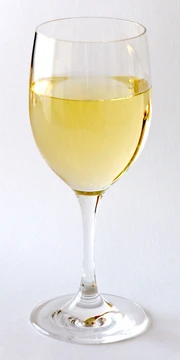
Nuragus (grape)
A historic Sardinian white grape with high acidity.
Nuragus is a white wine grape variety cultivated in Sardinia, where it serves as the primary grape in the Nuragus di Cagliari DOC. Ampelographers believe the variety was likely introduced to the island by the Phoenicians, giving it a long history in the region. Its plantings declined sharply in the late 20th century, falling by 50% during the 1980s alone.
Quick Facts
- Primary region
- Southern Sardinia, between Cagliari and Oristano on the Campidano plain
- Doc
- Nuragus di Cagliari
- Minimum doc alcohol level
- 10.5%
- Maximum doc harvest yield
- 20 tonnes/hectare
Facts from the source article.
Did You Know?
- Nuragus has been known under many synonyms, including Abbondosa, Axina de Margiai, and Malvasia di Luras.
- The grape is also called Nuragus blanc de Sardaigne and Nuragus Trebbiana.
- Other synonyms include Bruscu biancu, Burdu, and Garnaccia.
DOC wines
Under Italian wine laws, Nuragus grown in southern Sardinia may be labeled as Nuragus di Cagliari DOC if the grape constitutes at least 85% of the blend; other local white varieties can fill the remainder. This DOC permits the highest harvest yield of any Italian wine, up to 20 tonnes per hectare. The finished wine must reach a minimum alcohol level of 10.5%, and a semi-sparkling frizzante style is also allowed.
Wine styles
Nuragus typically produces light-bodied wines with neutral flavors, according to wine expert Oz Clarke. In favorable vintages, well-made examples can show aromas similar to Vermentino, with almond and sour apple notes. The grape retains high potential acidity even in the warm Mediterranean climate of southern Sardinia, yielding acid notes that have been compared to Portugal's Vinho Verde and Spanish Albariño wines.
More in White Wine Grape Varieties from Italy
Spotted an error? Know more?
Reader corrections go straight into our review queue. Suggest an edit · How this site is sourced