Moscato Giallo
A golden Muscat grape for passito wines.
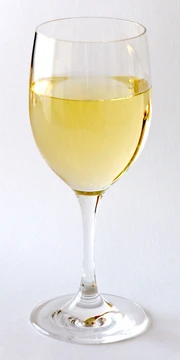
Moscato Giallo, also known as Yellow Muscat, is a white Italian wine grape belonging to the Muscat family. It is distinguished by its large, loose clusters of deep-yellow berries and the golden color of its wine. The variety is primarily grown in northern Italy, where it is frequently used for passito-style dessert wines.
Quick Facts
- Primary italian region
- Lagarina Valley (Trento)
Facts from the source article.
Did You Know?
- Moscato Giallo is known as Rumeni Muškat in Slovenia.
- In Sicily, it is called Muscatedda.
History and relationship with other grapes
For a long time, Moscato Giallo was believed to have originated in the Middle East, with Syria often cited as its birthplace. However, DNA analysis in the early 21st century revealed a parent-offspring relationship with Muscat blanc à Petits Grains (Moscato bianco). Since the first documented mention of Muscat blanc à Petits Grains dates to the early 14th century, Moscato Giallo is likely the offspring. Through this link, it is a half-sibling to varieties such as Aleatico, Moscato di Scanzo, and Muscat of Alexandria. Because most plantings of Moscato Giallo and its siblings are in northern Italy, ampelographers now believe the grape likely originated in Italy rather than the Middle East.
Viticulture
Moscato Giallo is an early to mid-ripening variety that can be very vigorous, requiring pruning and canopy management to control its large leafy canopy. Its thick-skinned berries show some resistance to botrytis bunch rot, but only moderate resistance to downy and powdery mildew. The vine is highly susceptible to chlorosis, especially in soils with high limestone content, though this can be managed with nutrient adjustments, particularly of iron. It is also prone to dead-arm, a fungal infection caused by Phomopsis species.
Wine regions
In 2000, Italy had 360 hectares of Moscato Giallo, mostly in the Lagarina Valley (Trento), where it is called Goldmuskateller. It also appears in the province of Bolzano and is permitted in varietal wines of the Trentino-Alto Adige/Südtirol DOC zones. In Veneto and Friuli-Venezia Giulia, it is used for sparkling and passito wines in the Corti Benedettine del Padovano and Friuli Isonzo DOCs. In the Colli Euganei area of Veneto, it goes into the DOCG wine FIOR D’ARANCIO COLLI EUGANEI in still, sparkling, and passito types. Outside Italy, it is found in Switzerland’s Valais region as Muscat du Pays, often in field blends with Muscat blanc à Petits Grains.
More in White Wine Grape Varieties from Italy
Spotted an error? Know more?
Reader corrections go straight into our review queue. Suggest an edit · How this site is sourced