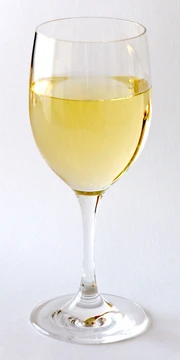
Forastera
A vigorous white grape from the Campanian islands.
Forastera is a white wine grape from Italy, cultivated on the islands of Ischia and Procida near Naples in Campania. Genetic testing in the early 2000s revealed that a Spanish grape also called Forastera, grown in the Canary Islands, is an entirely separate variety with no close genetic link to the Italian one.
Quick Facts
- First recorded mention
- 1877
- First recorded by
- Giuseppe Rovasenda, the Conti di Rovasenda
- Primary doc
- Ischia
Facts from the source article.
Did You Know?
- Forastera is an early to mid-ripening grape variety noted for being very vigorous and prone to producing a large canopy that may need to be kept in check by pruning and canopy management techniques.
- As a varietal, Forastera tends to produce light-bodied and easy drinking wines in both still and sparkling styles, characterized by fresh fruit flavors.
- Over the years, Forastera has been known under synonyms including Ferestiera, Forastera blanca, Forastiera, Forestera, Forestiera, Forestiero, Frastera, Furastera, Furastiera and Uva dell'Isola.
History
The name Forastera likely comes from the Italian word forestiero, meaning "foreign," which suggests the grape may not be native to the Campanian islands. The earliest known mention of Forastera appears in 1877, when winemaker Giuseppe Rovasenda, a count whose family served the Dukes of Savoy, recorded it on the island of Ischia. Another late 19th-century ampelographer, Giuseppe Froio, also described the grape growing there. Rovasenda further noted in the same year that Forastera was cultivated near Grumello del Monte in the province of Bergamo, Lombardy, though it is no longer found there today. This hints that the "foreign" grape might actually originate from northern Italy. For a time, experts believed that the Campanian Forastera had been taken to the Canary Islands, where a white grape of the same name is still used in several Denominación de Origen wines. However, DNA testing in the early 21st century proved that the Italian and Spanish varieties are genetically distinct and not closely related.
More in White Wine Grape Varieties from Italy
Spotted an error? Know more?
Reader corrections go straight into our review queue. Suggest an edit · How this site is sourced