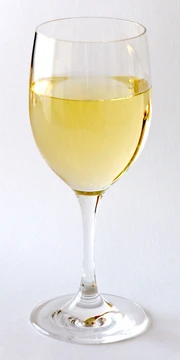
Drupeggio
A white Italian grape often confused with Vernaccia di San Gimignano.
Drupeggio, also known as Canaiolo bianco, is a white Italian wine grape variety grown in Central Italy, particularly in Tuscany and Orvieto. It is often confused with the white Tuscan variety Vernaccia di San Gimignano, which shares the synonym Canaiolo bianco. The grape is a permitted variety in several DOCs, including Orvieto and Barco Reale di Carmignano.
Quick Facts
- First recorded mention
- 1817 in Tuscany
- Official clone
- Canaiolo bianco ARSIAL-CRA 402
Facts from the source article.
Did You Know?
- Drupeggio has been known under synonyms including Bottaio bianco, Cacinello, and Volpicchio.
- In the province of Ascoli Piceno in the Marche, it is called Canina or Uva dei Cani.
History
Drupeggio was first documented in Tuscany under the name Canaiolo bianco, with records showing its use in winemaking by 1817. It is not a color mutation of the red Canaiolo grape used in Chianti, unlike Canaiolo rosa. A 2011 DNA study revealed that at least six white grape varieties in Tuscany have been called Canaiolo bianco, most notably Vernaccia di San Gimignano. Other grapes sometimes mistaken for Drupeggio include Vermentino and the nearly extinct Zuccaccio.
Viticulture
Drupeggio is a mid to late ripening variety with relatively thick skins for a white grape. Its berries do not raisin easily, making its use in passito or straw wines like Vin Santo very rare, even though it is a permitted variety in several DOCs for dessert wine. The clone Canaiolo bianco ARSIAL-CRA 402 is the only official clone of Canaiolo bianco that is actually Drupeggio.
Wine regions
Drupeggio is almost exclusively found in Italy, planted across central regions from Molise and Marche in the east to Lazio, Umbria, and Tuscany in the west. Due to confusion with other varieties, exact plantings are uncertain; the 2000 census reported 674 ha, likely including other Canaiolo biancos. Most true Drupeggio is in Umbria, where it can make up 20-30% of Orvieto blends alongside Grechetto and Malvasia Toscana, with Trebbiano at 50-65% and Verdello at 15-25%. Outside Umbria, it is found in the provinces of Firenze, Grosseto, and Pistoia, and in Carmignano up to 10% is permitted in Barco Reale red and rosé wines blended with Sangiovese, Cabernet Sauvignon, and other varieties.
More in White Wine Grape Varieties from Italy
Spotted an error? Know more?
Reader corrections go straight into our review queue. Suggest an edit · How this site is sourced