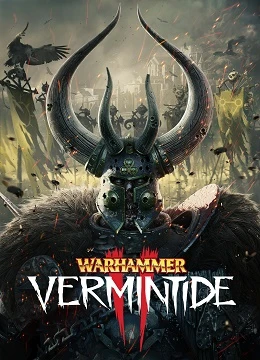
The Cult of the Five
Five gods, one endless hunger — the rats pray so the world can burn.
The Cult of the Five is a religious and ideological order within Skaven society, devoted to the worship of the five deities that anchor the ratfolk's fractured pantheon. In the world of Warhammer: Vermintide, they represent the spiritual and doctrinal backbone of the Skaven war-machine — the ones who chant, sacrifice, and pour dark magic into the endless tunnel networks beneath the Empire. Rather than a single unified army, the Cult functions as the ideological engine behind Skaven action: where the Warhost charges and the Engineers build, the Cult ensures that every claw-stroke is sanctified, every stolen relic is ritually defiled, and every fallen Skaven is fed back into the dark web of their gods. They are the reason the Skaven fight with such fanatical, almost holy desperation — a desperation that tastes of rust, incense, and the promise that the surface world will one day be gnawed to splinters.
Quick Facts
- Type
- Skaven religious order
- Affiliation
- Skaven (ratfolk)
- Role
- Doctrinal
- magical
- ideological
- Setting
- Under-empire, Skaven warrens
- Status
- Active throughout the Vermintide conflict
Lore & Background
The Skaven do not worship a single god but a pantheon of five, each embodying a different facet of ratish ambition: cunning, war, sorcery, industry, and the devouring of all that is not rat. The Cult of the Five is the collective name for the priestly and magical orders who serve these deities, and their influence permeates every level of Skaven society. A Ratling's first lesson is not how to swing a claw but how to invoke the names of the Five before it kills its first prey. In the warrens beneath the Empire, the Cult's influence is visible in the architecture itself: shrines carved into tunnel walls, ritual pits where stolen relics are melted down, and the ever-present smell of incense mixed with rat-musk and alchemical reagents. Their sorcerers channel the Five's power into the Blight, into war-mourners' howls, and into the maddening whispers that drive Skaven warbands to charge into impossible odds. Where other Skaven factions fight for territory or resources, the Cult fights for the eternal supremacy of the ratfolk over all other races. What makes the Cult genuinely terrifying in the Vermintide context is that they are not merely enemies to be killed. They are the reason the Skaven keep coming back, keep rebuilding, keep turning every defeat into fuel for the next siege. You can burn a warren, but you cannot burn a faith that has been whispered into every rat's skull since the first one crawled out of the dark — a faith that smells of old bone, crackling warpstone, and the wet, patient hunger of something that has already decided the world is its meal.
Reader's Guide
In Vermintide, the Cult of the Five is not a standalone faction you fight in a single mission; it is the spiritual architecture behind every Skaven assault. Enemies tied to the Cult — like Grey Seers and Plague Monks — are the ones who turn a simple horde into a nightmare. Grey Seers warp the battlefield with crackling lightning and summon vermin from thin air, while Plague Monks charge screaming into your formation, their bodies fizzing with corrupted energy. The Cult's priests also empower nearby ratmen, making them faster, tougher, or more aggressive, so a Cult-heavy wave demands you prioritize the chanters before the chaff. Watch for the telltale green glow of warpstone-encrusted staves and the sickly sweet smell of pestilent incense — those are your cues to burn the heretic-rats first. And remember: the Cult's faith is their strength, but it is also their weakness. Their rituals require focus, and a well-placed bomb or a swift decapitation can shatter their concentration, turning their fanatical charge into a panicked rout.
Did You Know?
- In Vermintide's combat design, enemies associated with the Cult's magical tradition tend to use area-of-effect dark magic and debuff abilities, distinguishing them from the more physical Warhost enemies.
- The Cult's influence is why Skaven warbands in the game display such extreme, almost suicidal aggression — their doctrine holds that death in battle is a form of worship, not a failure.
- The five-god structure creates natural internal conflict in Skaven lore, as different Clans tend to favor different deities, meaning the Cult is never truly unified — a schism that surface-dwellers can exploit.
More in Factions & Foes
Elsewhere in Warhammer Vermintide
Spotted an error? Know more?
Reader corrections go straight into our review queue. Suggest an edit · How this site is sourced