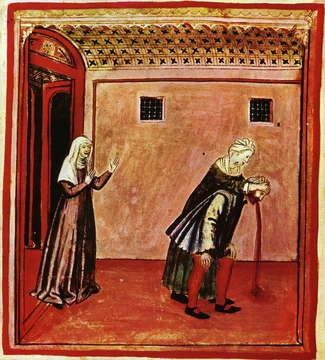
As a dog returns to his vomit, so a fool repeats his folly
A biblical proverb on the incorrigible nature of fools.
The aphorism 'As a dog returns to his vomit, so a fool repeats his folly' originates from the Book of Proverbs in the Bible, specifically Proverbs 26:11. It uses the repulsive image of a dog eating its own vomit to illustrate the stubborn inflexibility of a fool, who persists in folly despite its harmful consequences. The proverb is also partially quoted in the New Testament, in 2 Peter 2:22.
Quick Facts
- New testament reference
- 2 Peter 2:22
- Related verse
- Proverbs 27:22
Facts from the source article.
Did You Know?
- In Proverbs, the 'fool' represents a person lacking moral behavior or discipline, not intellectual capacity.
- Proverbs 27:22 states, 'Though you grind a fool in a mortar, grinding them like grain with a pestle, you will not remove his folly from him.'
Usage
The Second Epistle of Peter quotes the proverb: 'But it is happened unto them according to the true proverb, The dog is turned to his own vomit again; and the sow that was washed to her wallowing in the mire. British politician Ken Livingstone used the proverb in 2002 when he failed to rejoin the Labour Party. In the Parliament of Australia, Paul Keating employed it against his political opponents. The television programme Endeavour, in the episode 'Home,' includes a conversation where the character Joyce alludes to Proverbs 26:11, and Endeavour responds by acknowledging the verse.
More in Vomiting
Spotted an error? Know more?
Reader corrections go straight into our review queue. Suggest an edit · How this site is sourced