Petar Blagojević
Serbian peasant whose death sparked early vampire hysteria.
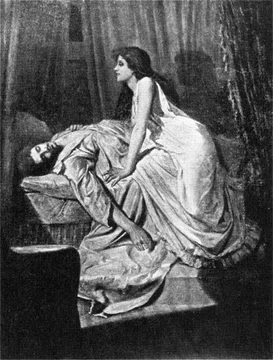
Petar Blagojević was a Serbian peasant whose death in 1725 was followed by claims that he had become a vampire and killed nine villagers. The case is among the earliest and most thoroughly documented instances of vampire hysteria, and it influenced the modern vampire image in Western popular culture.
Quick Facts
- Born
- c. 1662
- Died
- 1725
- Place of death
- Kingdom of Serbia, Habsburg monarchy
- Known for
- Believed to become a Vampire
- Spouse
- Ana Blagojević
Facts from the source article.
Case
Blagojević lived in the village of Kisilova, in a part of Serbia that had passed from Ottoman to Austrian control after the Treaty of Passarowitz in 1718 and was later returned to the Ottomans in 1739. He died in 1725, and within eight days nine other villagers died after very short illnesses of about twenty-four hours each. On their deathbeds, the victims said they had been throttled by Blagojević at night. Blagojević's wife reported that he had visited her and asked for his opanci (shoes); she then moved to another village for safety. In other accounts, Blagojević returned to his house demanding food from his son, and when refused, killed him by biting and drinking his blood. The villagers decided to exhume the body and check for signs of vampirism, such as continued growth of hair, beard, and nails, and lack of decomposition. They demanded that Kameralprovisor Frombald and the local priest be present. Frombald tried to delay, saying permission from Austrian authorities in Belgrade was needed, but the villagers refused, fearing the vampire would exterminate the community as they claimed had happened in Turkish times. They insisted Frombald permit the procedure immediately or they would abandon the village. Frombald consented.
"Kisiljevo revisited"
In recent years, Serbian journalists have taken interest in the story in the village of Kisiljevo. According to the Belgrade newspaper Glas javnosti, local official Bogičić stated that villagers cannot identify Blagojević's grave and do not know if the local family with that surname is related to him. One person recalled stories of a female vampire named Ruža Vlajna, who was believed to haunt the village in more recent times, during the lifetime of that person's grandfather. She was said to hit pots hanging from roofs and was seen walking on the Danube, but it is not known whether she was ever staked.
More in Vampires
Spotted an error? Know more?
Reader corrections go straight into our review queue. Suggest an edit · How this site is sourced