James J. Hill
Canadian-born American railway entrepreneur who built the Great Northern Railway.
Last updated

Editor Mary Griffin Webb and Edna Lenore Webb · Public domain
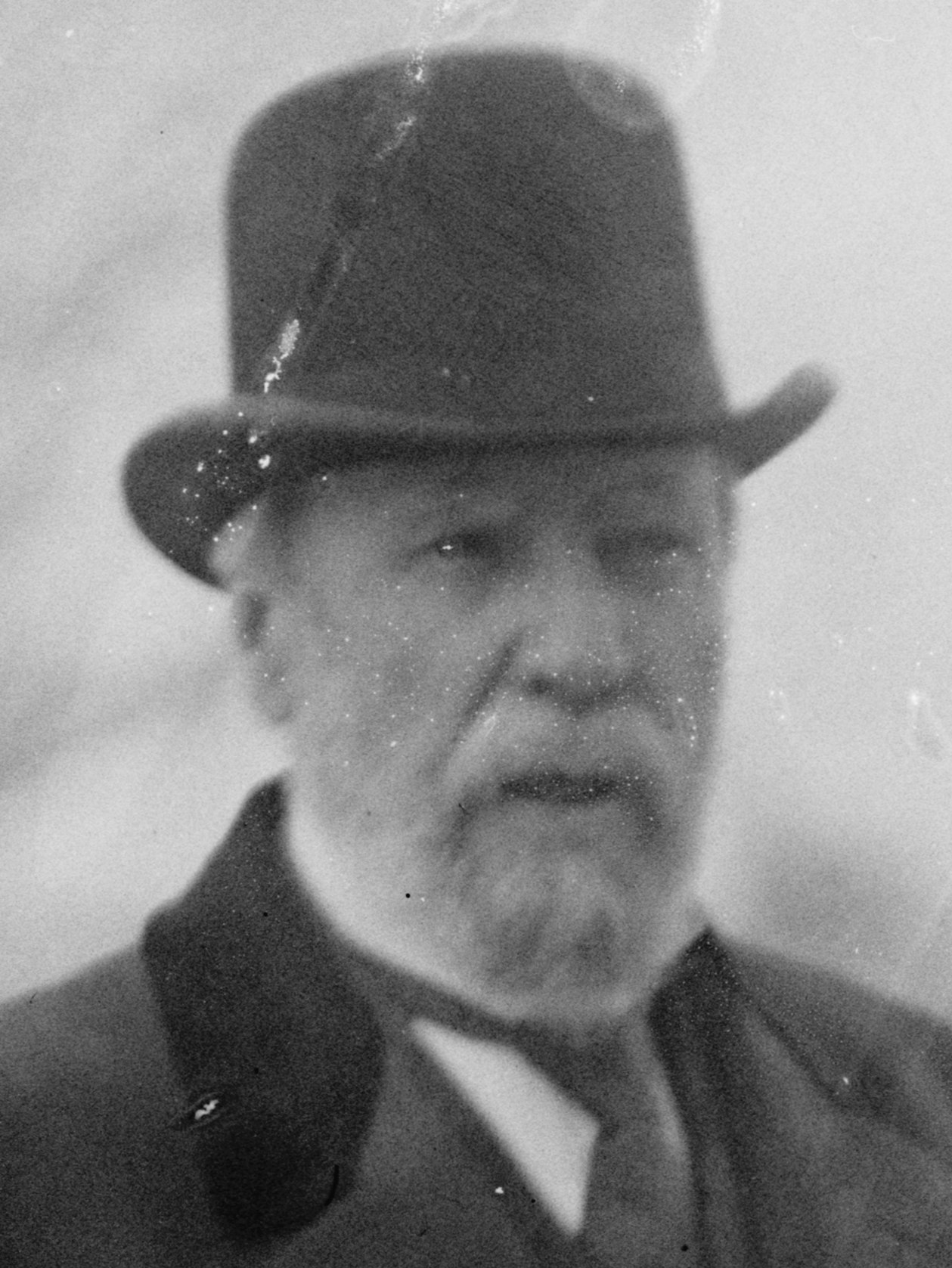
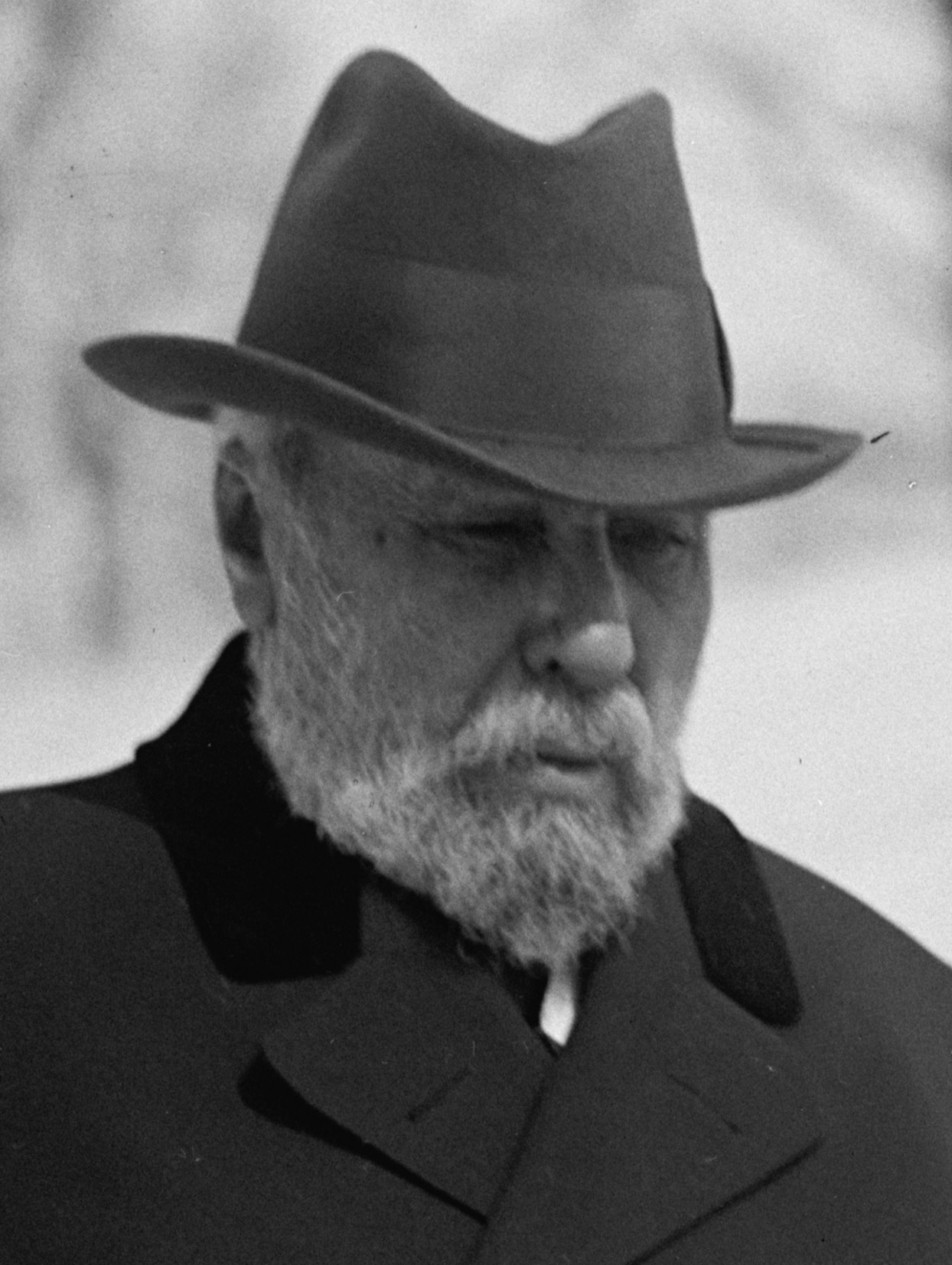
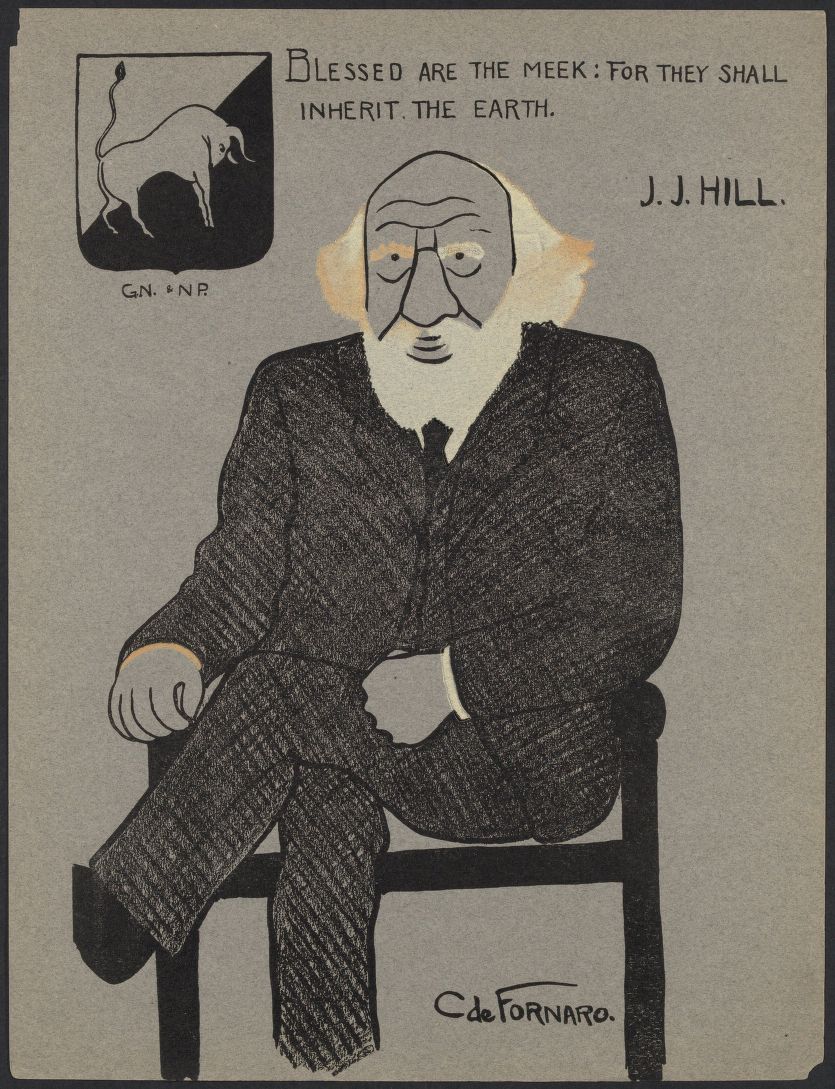
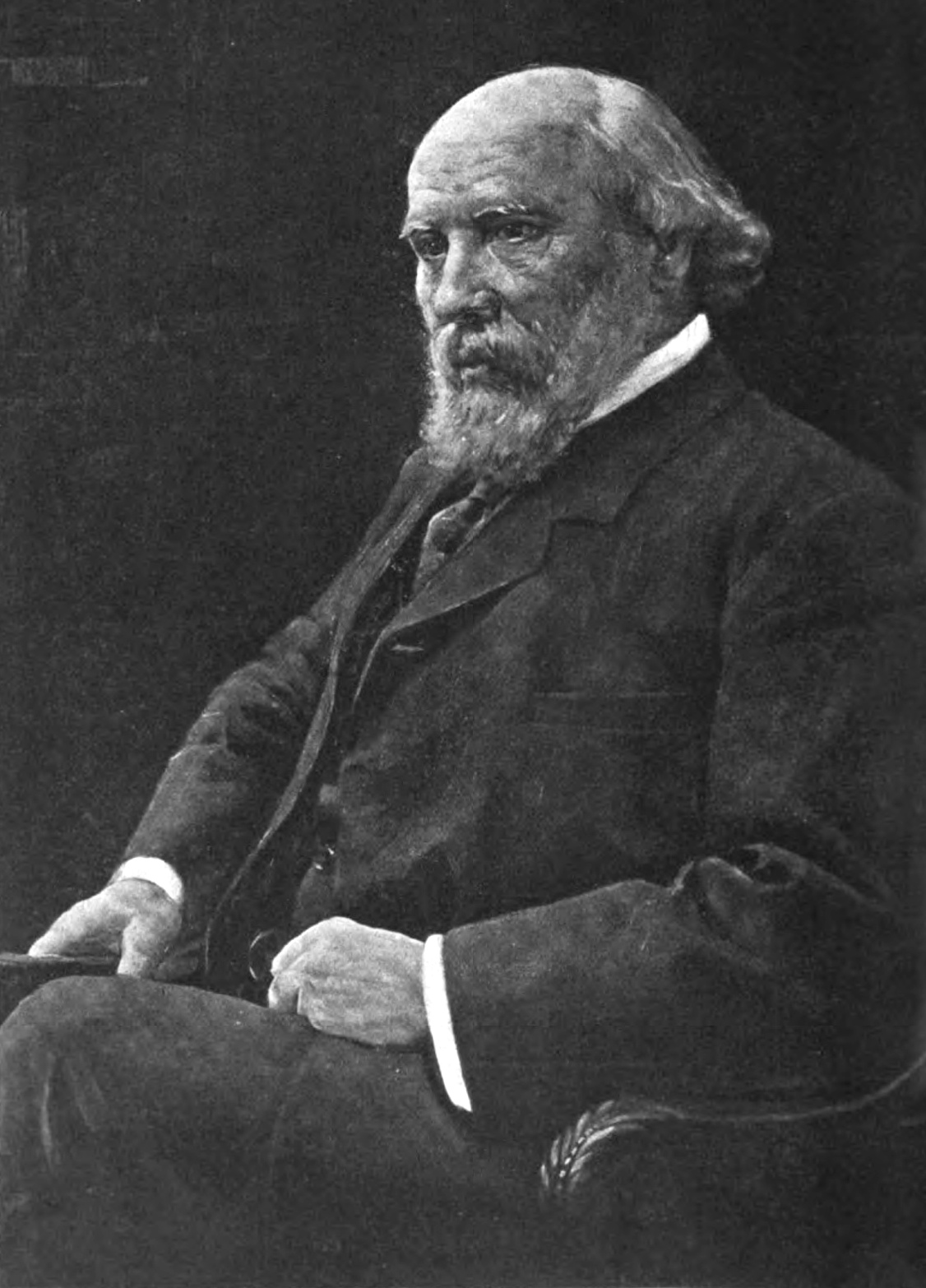
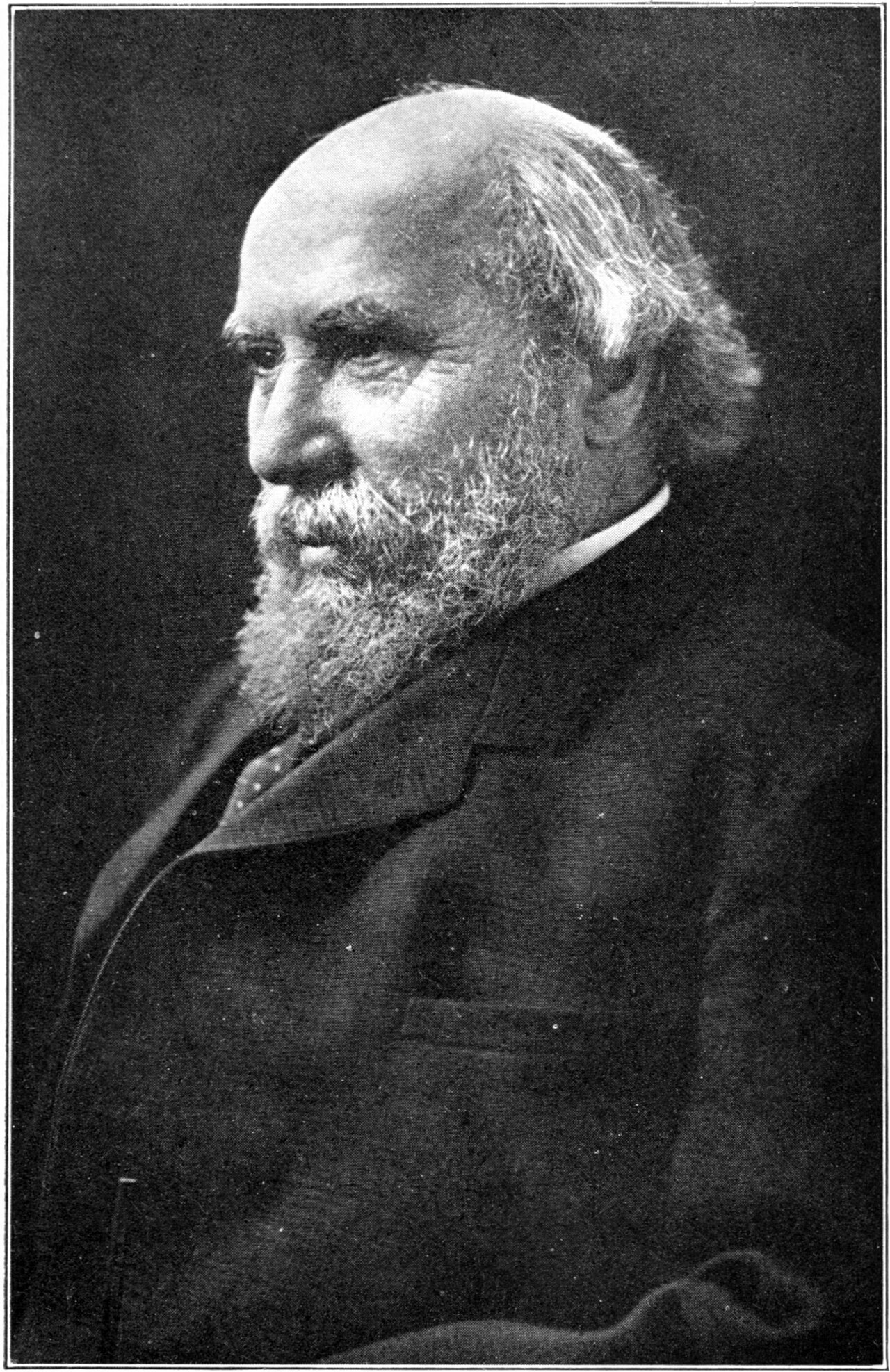
James Jerome Hill (September 16, 1838 – May 29, 1916) was an American railway entrepreneur who ran a group of lines led by the Great Northern Railway. His railroads covered large parts of the Upper Midwest, the northern Great Plains, and the Pacific Northwest.
Because his network was so vast and economically powerful, people called him "The Empire Builder" while he was alive. He died in 1916 with around $63 million—worth about $1.3 to $1.7 billion today. His old home, the James J. Hill House, is now a museum in Saint Paul, Minnesota.
Childhood and youth
Hill was born in Upper Canada (now Ontario) to James Hill Jr. and Ann Dunbar. As a child, a bow and arrow accident cost him sight in his right eye.
He had nine years of formal schooling and briefly attended Rockwood Academy, where the head gave him free tuition. He left school in 1852 after his father died. By then, he was good at math, land surveying, and English—skills that later helped his career.
After working as a clerk in Kentucky and learning bookkeeping, Hill moved to the United States for good. He settled in Saint Paul, Minnesota, at age 18. His first job there was as a bookkeeper for a steamboat company.
By 1860, he worked for wholesale grocers, handling freight transfers for railroads and steamboats. That taught him the freight and transportation business. He started working for himself during winters, when the Mississippi froze and steamboats stopped.
He bid on other contracts and won several. Hill joined the Pioneer Guard. When the Civil War started, he tried to join the First Minnesota Volunteer Infantry Regiment but failed the medical exam because he was blind in one eye.
Young businessman
His earlier work in shipping and fuel led him into the coal and steamboat businesses. In 1870, he and partners started the Red River Transportation Company, running steamboats between Saint Paul and Winnipeg. By 1879, he had a local monopoly after merging with Norman Kittson. He entered the coal business in 1867, and by 1879 it had grown five times, giving him a local monopoly in anthracite coal.
Around the same time, he got into banking and joined the boards of several major banks. He also bought bankrupt businesses, rebuilt them, and sold them for a profit. Hill said the secret to his success was "work, hard work, intelligent work, and then more work."
Entry into Gilded Era railroading
During the Panic of 1873, many railroads went bankrupt, including the St.
Lore & Background
James J. Hill was born in Upper Canada and lost sight in his right eye from a childhood accident. After his father's death in 1852, he left school and worked as a clerk in Kentucky, learning bookkeeping. He moved to St. Paul, Minnesota, at age 18, working for a steamboat company and later for wholesale grocers, where he learned the freight business. During the Civil War, he failed medical inspection due to his blindness and did not join the First Minnesota Volunteer Infantry Regiment.
Hill entered the coal and steamboat businesses, and by 1879 had local monopolies in both. During the Panic of 1873, he researched the bankrupt St. Paul and Pacific Railroad and, with partners, bought and expanded it into the St. Paul, Minneapolis, and Manitoba Railway. He personally scouted routes on horseback and built the Great Northern Railway from St. Paul to Seattle, completed in January 1893, using the Marias Pass discovered by his engineer John Frank Stevens. The Great Northern was the first transcontinental built without public money and few land grants.
During the Panic of 1893, Hill lowered shipping rates, gave credit to businesses, and cut expenses, allowing his railroad to increase net worth while nearly every other transcontinental went bankrupt. He promoted settlement along his lines, especially by Germans and Scandinavians, and invested in schools and churches for these communities.
Reader's Guide
James J. Hill's significance lies in his construction and management of the Great Northern Railway, a transcontinental line built without federal subsidies or land grants, which remained solvent during the Panic of 1893 while competitors failed. His hands-on approach—personally scouting routes, investing profits back into the railroad, and promoting settlement—created a durable transportation network across the northern United States.
Hill's methods, including cutting wages during deflation and lowering tariffs for farmers, demonstrated a pragmatic response to economic crisis. His acquisition of the Mesabi Range iron mines in 1898 further integrated his rail empire with industrial demand. Hill's legacy is preserved in the James J. Hill House museum in Saint Paul, Minnesota, and in the continued operation of the Great Northern's successor lines.
Did You Know?
- During the Panic of 1893, Hill cut the railway's expense of carrying a ton of freight by 13% in one year.
Frequently Asked Questions
How wealthy was James J. Hill at the time of his death?
Hill passed away in 1916 holding roughly $63 million in assets, a sum that translates to approximately $1.3 to $1.7 billion in today's dollars. That made him one of the wealthiest individuals in American history at the time.
What is the James J. Hill House?
The James J. Hill House is a preserved mansion in Saint Paul, Minnesota, that now operates as a museum. It was Hill's former residence and gives visitors a look into the domestic life of one of the Gilded Age's most powerful industrialists.
More in Tycoons And Industrialists
Test yourself
Three questions drawn from this entry’s sources. Pick an answer to check it.
Answers checked against the source article
Sources
Compiled from Wikipedia and the sources listed below. Text from Wikipedia is available under CC BY-SA 4.0; this entry is adapted from it.
- Wikipedia: James J. Hill (CC BY-SA 4.0).
Spotted an error? Know more?
Reader corrections go straight into our review queue. Suggest an edit · How this site is sourced