
Seoul
A city of ten million stories, where every alley holds a secret and every season rewrites the map.

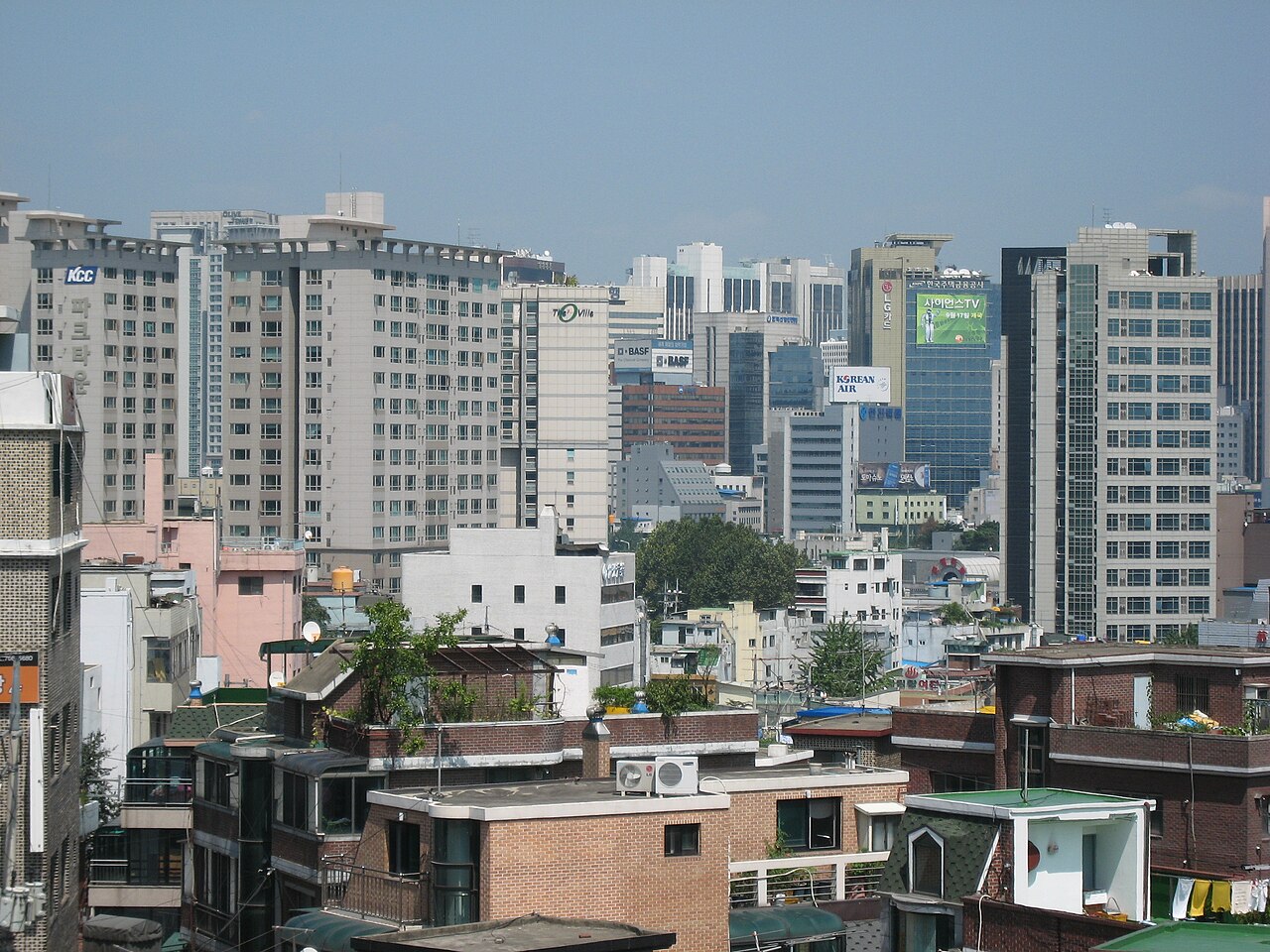
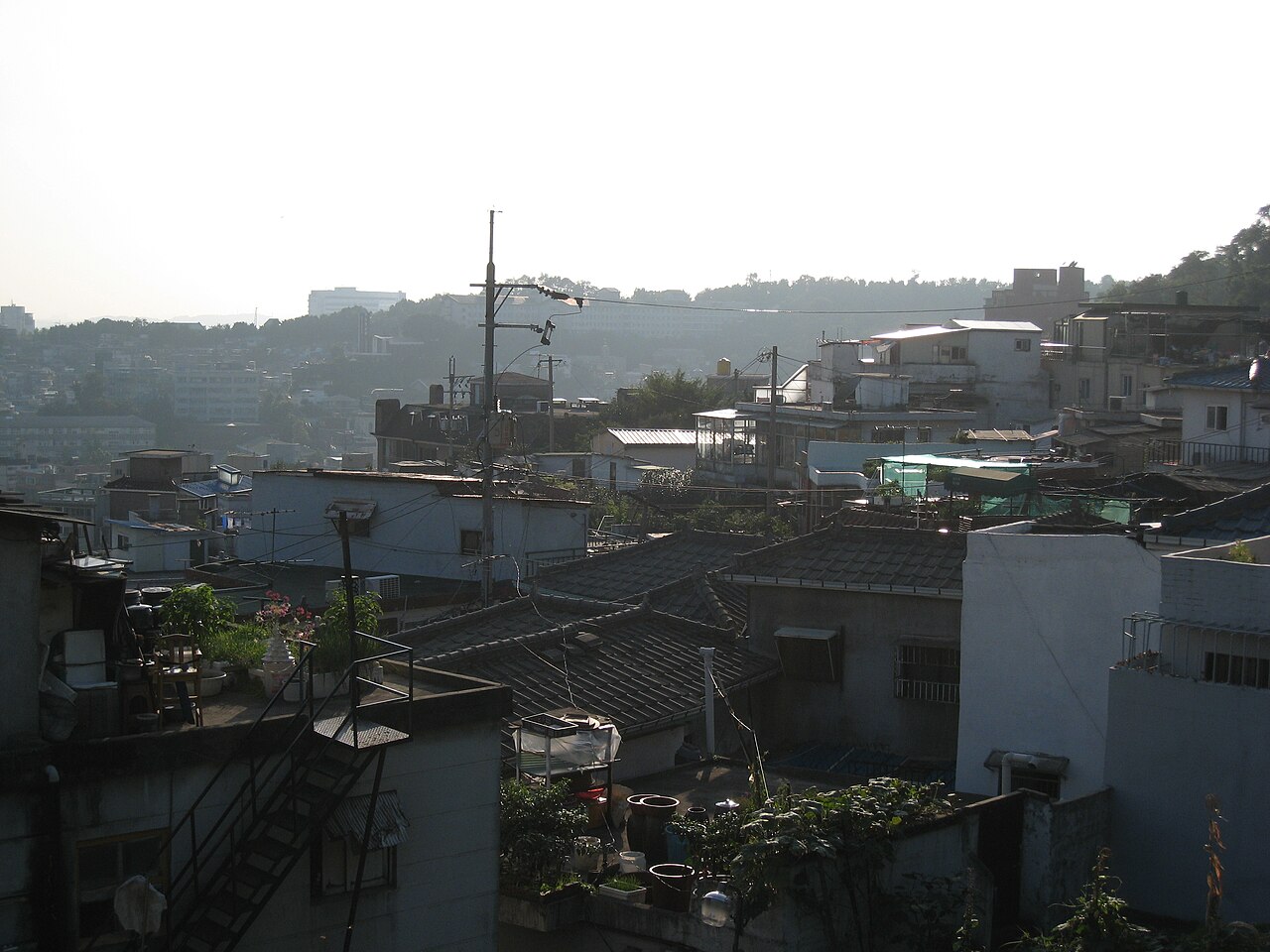
Syced · CC0
As the capital city and cultural heart of the story, it provides the backdrop against which the characters' personal journeys, relationships, and conflicts play out across its dense neighborhoods, neon-lit streets, and quiet residential enclaves. For viewers, it is the recognizable, grounded world that anchors the more fantastical or emotionally heightened elements of the narrative.
Quick Facts
- Official name
- Seoul Special Metropolitan City
- Seal size
- 90
Facts from the source article.
Lore & Background
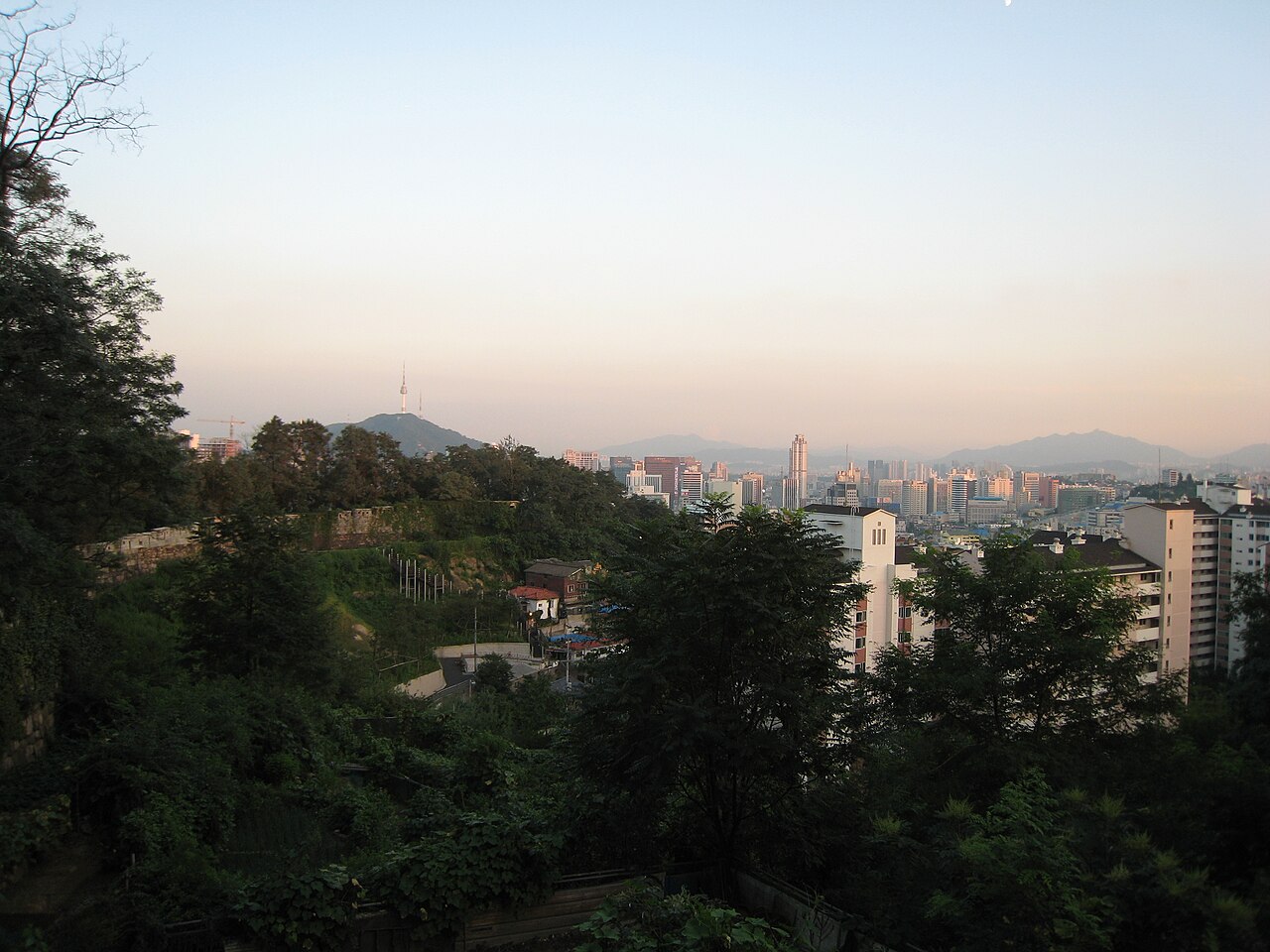
The city's geography—its river dividing east from west, its mountain ridgelines catching the last light of dusk, the way a single subway line can carry a character from a sunlit café in one district to a rain-slicked underpass in another—mirrors the emotional architecture of the plot. Characters move through Seoul the way they move through memory: sometimes in straight, purposeful lines, sometimes in long, meandering detours that lead them back to where they started. The city's layered history is felt in its textures. Older neighborhoods with narrow stone-paved lanes sit just blocks away from glass-and-steel commercial towers. Markets hum with the clatter of metal trays and the call of vendors, while a short walk later the streets fall silent under the glow of convenience-store signage. This juxtaposition—ancient and hyper-modern, communal and isolating—gives the narrative its emotional range. A character can be surrounded by thousands of people on a packed bus and still feel utterly alone, or find an unexpected, tender connection in a nearly empty park bench overlooking the Han River. Seasonal change is a recurring motif. The sharp, crystalline cold of a Seoul winter, with breath fogging in the air and streetlights doubling in wet pavement, contrasts with the heavy, humid stillness of a July afternoon when the city seems to hold its breath. These shifts in atmosphere punctuate the story's turning points, externalizing the characters' inner states without a single line of exposition.
Reader's Guide
The Han River doesn't just divide the city; it splits the emotional territory: the east is where ambitions are forged in neon-lit practice rooms, while the west cradles late-night confessions in pojangmacha tents. Namsan Tower isn't just a landmark—it's the silent witness to every 'almost' and 'never again,' its blinking light a Morse code of missed connections. The subway map is the story's nervous system: Line 2 is the circulatory loop of daily grind and chance encounters, while the quieter Gyeongui-Jungang Line carries characters into the outskirts where memories blur into suburbs. The seasonal shifts aren't just weather—they're plot devices. A Seoul winter forces characters into cramped convenience stores where confessions steam in the cold air; a July monsoon traps them under eaves, making proximity inevitable. The hanok alleys of Bukchon aren't just pretty—they're time capsules where a character can literally step from a centuries-old courtyard into a K-pop studio, a transition that mirrors the show's own dance between tradition and hyper-modernity. For the attentive viewer, every location is a clue: the specific convenience store brand, the exact subway exit, the angle of the sunset over the Han—each one a breadcrumb in the city's conspiracy of coincidence.
Did You Know?
- The seasonal shifts depicted—harsh winter cold, humid summer stillness—match Seoul's actual continental climate, giving the narrative's atmospheric changes a grounded, believable basis.
- The juxtaposition of traditional hanok neighborhoods and modern high-rise commercial zones is a real feature of Seoul's urban landscape, with areas like Bukchon sitting just minutes from the Gangnam business district.
- Seoul's subway system, one of the densest in the world, provides a natural narrative device for moving characters between districts quickly, a detail viewers will recognize from the city's real transit infrastructure.
Gallery
More in Places & Venues
Elsewhere in Twice
Spotted an error? Know more?
Reader corrections go straight into our review queue. Suggest an edit · How this site is sourced