Holy Cross Abbey
Cistercian monastery in County Tipperary, home to a True Cross relic.

via Wikipedia: Holy Cross Abbey · see source
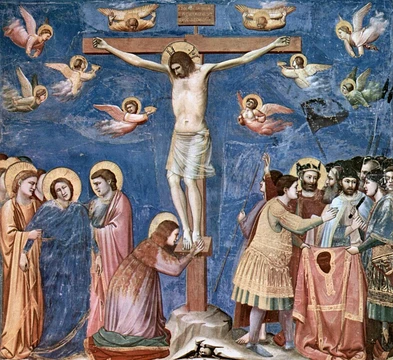
The Cistercian abbey known as Holy Cross Abbey, or Mainistir na Croise Naofa, sits on the River Suir near Thurles in County Tipperary, Ireland. It was named for a relic of the True Cross, the Holy Rood, once kept there.
Quick Facts
- Location
- Holycross, County Tipperary, Ireland
- Denomination
- Roman Catholic
- Religious institute
- Cistercians
- Founded
- 1169
- Founder
- Domnall Mór Ua Briain
- Heritage designation
- National Monument
- Style
- Cistercian
- Diocese
- Roman Catholic Archdiocese of Cashel and Emly
Facts from the source article.
History
A fragment of the True Cross was brought to Ireland around 1233 by Queen Isabella of Angoulême, widow of King John. She bestowed the relic on the original Cistercian monastery in Thurles, founded in 1169 by King Donal O'Brien of Thomond, which she then rebuilt. Over time, Holy Cross Abbey and its relic became a site of medieval pilgrimage. During the Protestant Reformation, it served as a rallying point for those facing religious persecution. In 1567, Sir Henry Sidney, Lord Lieutenant of Ireland, complained to Queen Elizabeth I about the abbey as a symbol and inspiration for the Catholic Church in Ireland, resistance, and the struggle for Irish independence.
Blessed Dermot O'Hurley, the fugitive Roman Catholic Archbishop of Cashel and one of the 24 officially recognized Irish Catholic Martyrs, made a pilgrimage to Holy Cross Abbey in September 1583, shortly before his arrest and execution in 1584. The Annals of the Kingdom of Ireland record a pilgrimage in 1601 by Hugh Roe O'Donnell, Lord of Tyrconnell. On St. Andrew's Day, 30 November 1601, O'Donnell venerated the relic in anticipation of the Battle of Kinsale. From the abbey, he sent an expedition to Ardfert, winning a victory and recovering territory for his ally Thomas Fitzmaurice, 18th Baron Kerry. This was O'Donnell's last victory before the defeat at Kinsale.
The Holy Rood was last exposed for public veneration in 1632. After the Cromwellian conquest of Ireland, the abbey fell into ruins. Local people used the roofless ruins as a burial place after 1740. In 1880, it became a scheduled national monument, with orders that the ruins be preserved and not used as a place of worship.
More in True Cross
Spotted an error? Know more?
Reader corrections go straight into our review queue. Suggest an edit · How this site is sourced