Frequently Asked Questions
The most-asked questions about tribute bands.
What exactly is a tribute band?
A tribute band is a musical group whose primary repertoire consists of the songs and style of one specific original artist or band. Rather than writing or performing original material, they aim to recreate the sound, energy, and stage presence of the act they honor.
How is a tribute band different from a cover band?
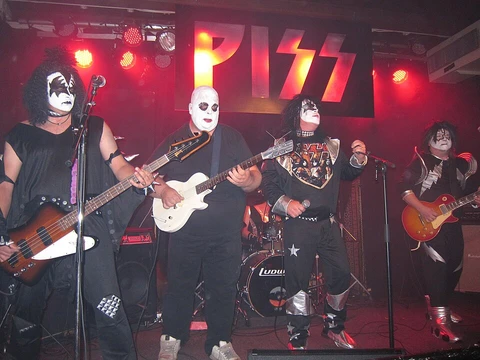
A cover band typically draws songs from many different artists across genres, while a tribute band is dedicated to a single act's catalog and often adopts that act's visual identity. The distinction is one of scope and intent: tribute is focused homage, cover is a broader set of familiar songs.
Who are some of the most well-known tribute bands?
Queen Extravaganza is perhaps the most globally recognized, having toured for over two decades performing Queen's catalog. Other prominent acts include dedicated Led Zeppelin, The Beatles, and Metallica tribute groups that regularly headline festivals and arena tours.
Is it legal to form and perform as a tribute band?
Performing someone else's songs live is generally covered by performance licenses held by the venue or event organizer through collecting societies. However, using the original band's exact registered name, logo, or trademarked stage imagery without permission can run into intellectual-property issues, which is why most tribute acts choose a slightly altered name.
Where should a newcomer start exploring the tribute-band scene?
A good entry point is watching a full live show or concert video to compare the tribute's energy against the original studio recordings. From there, checking classic-rock or metal festival lineups reveals which tribute acts are drawing the biggest crowds and building the most dedicated fan bases.
How did the tribute-band phenomenon originate?
The practice grew out of the 1970s and 1980s, when local bands built reputations by emulating popular acts like The Beatles, The Rolling Stones, or Led Zeppelin for pub and club gigs. The scene expanded in the 2000s and beyond as touring infrastructure and social media made it easier for dedicated acts to reach international audiences.
Do tribute bands need the original artists' permission to perform their songs?
For live performances, the venue or event organizer typically holds a performance license through a collecting society, so the tribute band itself does not need individual clearance from each songwriter. The main legal boundary is around trademarks: using the original band's registered name or distinctive visual branding without authorization can constitute infringement.
What is the difference between a tribute band and a lookalike or impersonator act?
A tribute band focuses on faithfully reproducing the music and may or may not replicate the original members' appearance. An impersonator or lookalike act specifically mimics the original performers' looks, mannerisms, and stage personas, often using costumes and makeup to create a near-identical visual experience.
What are some notable milestones in the tribute-band world?
The genre reached a commercial peak in the 2010s when several major tribute acts secured arena-level touring deals and appeared on mainstream festival lineups alongside original artists. The rise of social media and streaming also allowed smaller, regional tribute groups to build global followings without traditional record-label backing.
How do tribute bands typically approach their setlists and material?
Most dedicated tribute acts perform the original act's full catalog in an order that mirrors the source band's classic concert structure, including deep cuts alongside the biggest hits. A few groups add brief original interludes or genre-blending arrangements, but the majority prioritize faithful reproduction of the original arrangements and vocal delivery.