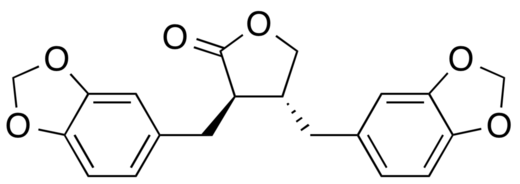
Mitragynine
Indole alkaloid from kratom with opioid receptor activity.
Mitragynine, an indole-based alkaloid, is the primary psychoactive compound in the Southeast Asian plant kratom. It partially activates μ-opioid receptors, mimicking effects of opioids like morphine. Research has explored its potential for easing opioid withdrawal symptoms.
Quick Facts
- Legal UK
- PSA
- Routes of administration
- By mouth
- Bioavailability
- 21%
- Metabolites
- 7-Hydroxymitragynine
- Elimination half-life
- 7–39 hours
- CAS number
- 4098-40-2
- Class
- Opioid
Facts from the source article.
Did You Know?
- Mitragynine solubility in neutral-pH water is very low at 0.0187 mg/ml, but higher in acidic water at 3.5 mg/ml, though it can become unstable at low pH.
- In a mouse study, mitragynine withdrawal symptoms after 14 days of injections included anxiety, teeth chattering, and piloerection, comparable to morphine withdrawal.
- Withdrawal symptoms in one human study lasted less than three days for most subjects.
Uses
As of 2019, the US Food and Drug Administration stated there were no approved clinical uses for kratom and no evidence it was safe or effective for treating any condition. The European Monitoring Centre for Drugs and Drug Addiction had also concluded by 2023 that mitragynine had not been approved for any medical use. Despite this, kratom preparations containing mitragynine have been used for pain mitigation for at least a century. In Southeast Asia, laborers consume whole-leaf kratom for its mild stimulant and analgesic properties to increase endurance and ease pain during work.
A 2016 laboratory study in rats found that alkaloid-containing kratom extracts produced naloxone-reversible antinociceptive effects in hotplate and tail-flick tests comparable to oxycodone. In the United States, kratom is commonly used as self-medication for pain, and a 2019 review suggested its potential as substitution therapy for chronic pain. Kratom has also been used since the 19th century for treating opioid addiction and withdrawal. A 2018 review noted that nearly 50% of approximately 8,000 surveyed kratom users reported reduced or discontinued opioid use.
Some animal models, such as zebrafish chronically administered morphine, indicate mitragynine can suppress opioid withdrawal.
Pharmacology
Mitragynine acts on μ-, δ-, and κ-opioid receptors in the central nervous system, though the nature of these interactions is not fully classified. Some reports describe partial agonist activity at the μ-opioid receptor, while others suggest full agonist activity. At δ- and κ-opioid receptors, mitragynine has been reported as both a competitive antagonist and a full agonist, but it has lower affinity for these receptors than for μ-opioid receptors.
The compound also interacts with dopamine D2, adenosine, serotonin, and alpha-2 adrenergic receptors, though the significance of these interactions is not fully understood. Some reports indicate mitragynine may exhibit biased agonism favoring G protein signaling pathways independent of β-arrestin recruitment, but recent evidence suggests low intrinsic efficacy at the μ-opioid receptor, rather than G protein bias, is responsible for its improved side effect profile.
Pharmacokinetic studies in humans are limited. In one study of 10 healthy volunteers taking oral whole-leaf preparations, mitragynine had a half-life of 7–39 hours and reached peak plasma concentration within one hour. Another study using kratom tea reported a half-life of about 3 hours. Bioavailability is estimated at 21%.
Mitragynine is primarily metabolized in the liver, producing many phase I and phase II metabolites, and it inhibits certain P450 enzymes.
Society and culture
In the United States, kratom and its active ingredients are not scheduled under DEA guidelines, though their legal status has been turbulent. In August 2016, the DEA issued a notice of intent to place mitragynine and 7-hydroxymitragynine under Schedule I, which would have made kratom strictly illegal. This faced significant opposition, including a White House petition signed by 140,000 citizens and a letter from 51 members of the House of Representatives. The DEA withdrew its notice in October 2016, allowing unencumbered research. Kratom and its constituents remain unscheduled and legally sold in stores and online in most of the United States, except in a small number of states. As of June 2019, the FDA continues to warn consumers not to use kratom while advocating for more research into its safety profile.
Research
Studying mitragynine's effects in people is complicated by inconsistent dosing, variable purity, and the use of other drugs. While animal studies avoid these issues, their results don't translate well to humans. The compound is known to affect several receptors, but the full details of these interactions remain unclear. Human toxicity and overdose risks for mitragynine and related kratom alkaloids are not well established.
Animal research shows major species differences in tolerance. There are rare reports of seizures and liver damage in kratom users. Because mitragynine inhibits certain liver enzymes, mixing it with other drugs raises the risk of negative reactions. Fatal cases often involve opioids or certain cough suppressants.
Post-mortem blood levels vary widely, from 10 to 4800 micrograms per liter, making it impossible to pinpoint a lethal dose. This range likely stems from differences in testing methods and the timing of the analysis after death.
More in Tree-derived Bioactive Compounds
Spotted an error? Know more?
Reader corrections go straight into our review queue. Suggest an edit · How this site is sourced