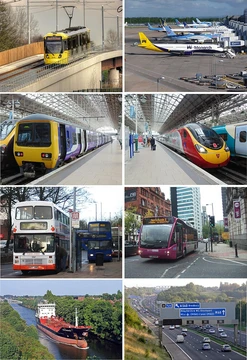
Merchant ship
Watercraft that transports cargo or passengers for hire.
Last updated
A merchant ship, also called a merchant vessel, trading vessel, or merchantman, is a boat or ship used to move goods or carry paying passengers. This sets it apart from pleasure craft, which people use for fun, and naval ships, which serve military purposes. These vessels come in many sizes and shapes, ranging from six-meter inflatable dive boats in Hawaii, to Mississippi River casino boats holding over 5,000 passengers, to tugboats in New York Harbor, to 300-meter oil tankers and container ships at major ports, and even passenger-carrying submarines in the Caribbean. Many merchant ships sail under a "flag of convenience" from a nation different from the owner's home country, such as Liberia or Panama, because those countries have more favorable maritime laws.
Definitions
The Greek merchant marine is the largest in the world; today, the Greek fleet makes up about 16 percent of global tonnage, making it the biggest single international merchant fleet currently, though not the largest in history. During wars, merchant ships may serve as auxiliaries to their countries' navies and are called on to transport military personnel and supplies. The United States Coast Guard defines a "commercial vessel" as any boat or ship involved in commercial trade or carrying passengers for hire. In English, "Merchant Navy" without further detail refers specifically to the British Merchant Navy, while the United States merchant fleet is called the United States Merchant Marine.
Merchant ship categories
Merchant ship names often include a prefix indicating the vessel type: - CS = Cable Ship or Cable layer - LNG = Gas carrier for liquefied natural gas - LPG = Gas carrier for liquefied petroleum gas - MFV = Motor Fishing Vessel - MS = Motorship - MSV = Motor Stand-by Vessel - MT = Motor Tanker or Motor Tug Boat - MV = Motor or Merchant Vessel - MY = Motor Yacht - NS = Nuclear Ship - RMS = Royal Mail Ship - RRS = Royal Research Ship - RV = Research Vessel - SS = Steam Ship - SV = Sailing Vessel (may be further coded by sailing type) The UNCTAD review of maritime transport groups ships into: oil tankers, bulk (and combination) carriers, general cargo ships, container ships, and "other ships," which includes liquefied petroleum gas carriers, liquefied natural gas carriers, parcel (chemical) tankers, specialized tankers, reefers, offshore supply vessels, tugs, dredgers, cruise ships, ferries, and other non-cargo vessels. General cargo ships cover multi-purpose and project vessels as well as roll-on/roll-off cargo ships. A cargo ship, or freighter, is any vessel that carries cargo, goods, and materials from one port to another.
Cargo ship
Thousands of these ships travel the world's seas and oceans each year, handling most international trade. They are usually specially designed for the job, often with cranes and other loading and unloading gear, and come in all sizes. A bulk carrier transports bulk cargo like iron ore, bauxite, coal, cement, grain, and similar items. These ships are recognizable by large box-like hatches on deck that slide outboard or fold fore-and-aft for loading or discharging cargo.
Their dimensions are often set by the ports and sea routes they serve, as well as the maximum width of the Panama Canal. Most lakes are too small for bulk carriers, but a large fleet of lake freighters has operated on the Great Lakes and St. Lawrence Seaway of North America for over a century. A tanker is a ship built to carry liquids in bulk. Tankers range from several hundred tons, serving small harbors and coastal settlements, to several hundred thousand tons, designed for long-range haulage.
They carry a wide variety of products, including hydrocarbon products like oil, LPG, and LNG; chemicals such as ammonia, chlorine, and styrene monomer; fresh water; and wine. Different products require different handling and transport, leading to specialized types like chemical tankers, oil tankers, and gas carriers. Among oil tankers, supertankers were designed to carry oil around the Horn of Africa from the Middle East.
The FSO Knock Nevis, formerly known as Jahre Viking (Seawise Giant), was the largest vessel in the world, with a deadweight of 565,000 metric tons and a length of about 458 meters. Using such large ships is actually very unprofitable because they cannot operate at full cargo capacity, so supertanker production has stopped. Today's largest oil tankers by gross tonnage are the TI-class supertankers TI Europe, TI Asia, and TI Oceania, which are the largest sailing vessels currently. Even with a deadweight of 441,585 metric tons, they usually sail as VLCCs and use no more than 70 percent of their total capacity.
Passenger ship
Apart from pipelines, tankers are the only way to transport large quantities of oil, though they have caused major environmental disasters when sinking near coastlines and causing oil spills, as seen with the Braer, Erika, Exxon Valdez, Prestige, and Torrey Canyon. A passenger ship is a vessel whose main purpose is carrying passengers. This category does not include cargo ships with limited passenger accommodations, like the once-common twelve-passenger freighters where passenger transport is secondary to freight. However, it does include many classes of ships designed to carry large numbers of passengers as well as freight.
Quick Facts
- Definition
- Any vessel engaged in commercial trade or carrying passengers for hire
- Types
- Oil tankers
- bulk carriers
- general cargo ships
- container ships
- passenger ships
- tankers
- and others
- Largest fleet
- Greek merchant marine, accounting for about 16% of world tonnage
Facts from the source article.
Lore & Background
Merchant ships, also known as merchant vessels or trading vessels, are watercraft designed to transport cargo or carry passengers for hire, distinguishing them from pleasure craft used for recreation and naval ships used for military purposes. They exhibit a vast range of sizes and forms, from small inflatable dive boats in Hawaii and tugboats in New York Harbor to massive oil tankers and container ships at major ports, as well as passenger-carrying submarines in the Caribbean and large casino vessels on the Mississippi River. Many merchant ships operate under a "flag of convenience" from a nation other than that of the owner, such as Liberia or Panama, which offer more favorable maritime laws. The Greek merchant marine is currently the largest in the world, accounting for approximately 16 percent of global tonnage.
During wartime, these vessels may be called upon to serve as auxiliaries to their respective countries' navies, transporting military personnel and materiel. Merchant ships are categorized by the UNCTAD review of maritime transport into types including oil tankers, bulk carriers, general cargo ships, container ships, and other vessels such as liquefied gas carriers, chemical tankers, reefers, offshore supply ships, tugs, dredgers, cruise ships, and ferries. Tankers, for instance, are designed to transport liquids in bulk, ranging from hydrocarbon products like oil and liquefied gas to chemicals, fresh water, and wine, with sizes varying from several hundred tons for coastal service to several hundred thousand tons for long-range haulage.
Reader's Guide
Merchant ships are fundamental to global trade, handling the bulk of international commerce. They range from small coastal vessels to massive supertankers like the FSO Knock Nevis, the largest vessel ever built. The UNCTAD review categorizes them into oil tankers, bulk carriers, general cargo ships, container ships, and other types including gas carriers and ferries.
Despite their size, supertankers are often unprofitable at full capacity; modern TI-class tankers typically use no more than 70% of their capacity. Tankers have also been involved in major environmental disasters when sinking near coasts, causing oil spills. The United States Coast Guard defines a commercial vessel as any vessel engaged in commercial trade or carrying passengers for hire.
More in Transportation
Sources
Compiled from Wikipedia and the sources listed below. Text from Wikipedia is available under CC BY-SA 4.0; this entry is adapted from it.
- Wikipedia: Merchant ship (CC BY-SA 4.0).
Spotted an error? Know more?
Reader corrections go straight into our review queue. Suggest an edit · How this site is sourced