Frequently Asked Questions
The most-asked questions about third-person shooters.
What is a third-person shooter (TPS)?
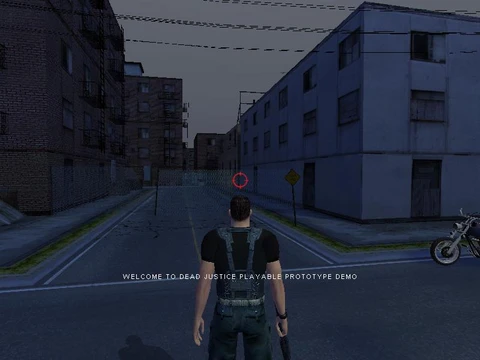
A third-person shooter is a video game genre in which the player controls a visible character, typically viewed from behind or at an angle, while engaging in gunfights and combat. The camera sits outside the character's body, giving a wider view of the environment than a first-person perspective.
How does a TPS differ from a first-person shooter?
In a TPS you see your character's full body and can use mechanics like dodge rolls, cover, and character-specific abilities that depend on that visible model. The broader field of view also changes how aim-assist, enemy telegraphing, and spatial awareness work compared to an FPS.
What are some of the most iconic TPS titles?
Series such as Metal Gear Solid, Uncharted, Gears of War, and Tomb Raider are routinely cited as genre-defining works. Each pushed the format in a distinct direction—stealth, cinematic adventure, cover-based combat, and exploration, respectively.
Who are the most recognizable characters or creators in TPS history?
Protagonists like Solid Snake, Nathan Drake, Marcus Fenix, and Lara Croft are among the most instantly associated figures with the genre. On the development side, Hideo Kojima's Metal Gear Solid work and the teams behind Uncharted and Gears of War are widely credited with shaping its identity.
Where should a newcomer start if they want to learn the genre?
Uncharted 4 and Gears 5 are frequently recommended as accessible entry points because they pair tight shooting with clear storytelling and forgiving difficulty settings. Metal Gear Solid V offers a steeper but rewarding look at how TPS mechanics can support open-world stealth.
What mechanical elements are unique to TPS compared to other shooter genres?
Dodge rolls, cover systems, and character-based abilities such as shields or grapples are staples that rely on seeing the character model on screen. The camera angle also enables aim-assist designs and enemy telegraphing that feel fundamentally different from a first-person vantage point.
What are some pivotal moments in the history of third-person shooters?
Metal Gear Solid (1998) demonstrated that cinematic storytelling and stealth could define a shooter, while Gears of War (2006) popularized the cover-based combat loop. More recently, titles like Control and Returnal have blended TPS shooting with action-RPG and roguelike systems.
What subgenres or hybrid types exist within the TPS space?
The genre frequently overlaps with stealth, action-adventure, survival horror, and action-RPG structures depending on the title. A game like Resident Evil 2 (2019) emphasizes survival-horror pacing, while Borderlands mixes TPS shooting with loot-driven RPG progression.
What are some key facts about the genre's evolution over time?
Early TPS titles in the late 1990s and 2000s focused on linear, story-driven experiences built around set-piece gunfights. The 2010s and 2020s saw the genre absorb open-world design, multiplayer modes, and increasingly varied character ability kits.
Is there a competitive or esports scene for TPS games?
While FPS titles dominate the esports landscape, games like Gears of War and Call of Duty (which offers a TPS camera option) have hosted competitive events and community tournaments. The genre's dodge and cover mechanics create a distinct competitive rhythm, though the scene remains smaller than its FPS counterpart.