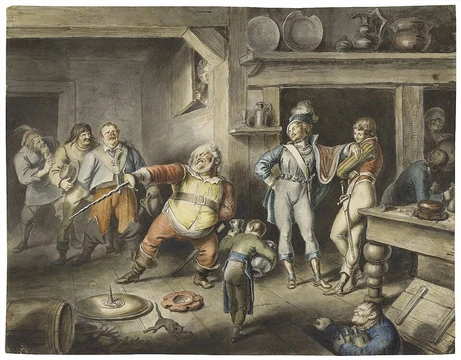
Drawing room
A room for entertaining, giving name to a theatrical genre.
A drawing room is a room in a house where visitors may be entertained, also known as a living room. The term derives from 16th-century withdrawing rooms and first appeared in writing in 1642. In modern usage, it may refer to a second reception room without a specific function.
Quick Facts
- First written appearance
- 1642
- Origin of term
- 16th-century withdrawing room
- Alternative names
- living room, withdrawing chamber
- Historical usage
- room for privacy off the great chamber or state room
Facts from the source article.
History and development
In 18th-century London, royal morning receptions called levées were termed drawing rooms, where privileged court members gathered outside the king's bedroom for his first public appearance. During the American Civil War, the drawing room in the White House of the Confederacy in Richmond, Virginia, was off the parlor where President Jefferson Davis greeted guests; after greetings, men stayed in the parlor to discuss politics while women withdrew to the drawing room, a common practice in affluent Southern circles. An 1865 English architectural manual defined the drawing room, and the term is now used in Britain mainly by those with other reception rooms like a morning room or lounge, making it the smartest room for adult entertaining. The term is widely used in India and Pakistan in larger urban houses. The word parlour originally designated middle-class reception rooms, but usage changed in the UK as homeowners sought to emulate grander homes; parlor remained common in North America into the early 20th century. In French, salon began to be used for a drawing room in the early 19th century, reflecting the popularity of salon social gatherings.
Railway usage
On trains, a drawing room was a large, pricey private space in a sleeping car or private car. In North America, it slept three or more people and had its own washroom. Amtrak no longer uses such cars, but Via Rail Canada still does, now calling them triple bedrooms.
Drawing room plays
The drawing room gave its name to drawing room plays, a genre of theatrical productions and motion pictures. Beginning with early drama, the drawing room play evolved to include comedy and dramatic monologue, and the format has moved from traditional drawing room performance to mainstream theater and film. Drawing room comedy, also called comedy of manners, features wit and verbal banter among wealthy, upper class characters. Oscar Wilde's The Importance of Being Earnest and several Noël Coward plays are typical works; George Bernard Shaw's Heartbreak House adds social criticism. Cary Grant appeared in filmed drawing-room comedies, and Ernst Lubitsch was known as a director of such comedies.
More in Theatrical Genres
Spotted an error? Know more?
Reader corrections go straight into our review queue. Suggest an edit · How this site is sourced