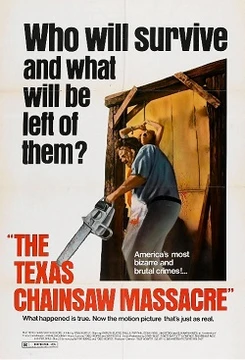
The Dinner Table Scene
The family's most twisted feast.
The Dinner Table Scene is the suffocating, sweat-soaked climax of The Texas Chainsaw Massacre (1974), where the film's final survivor, Sally Hardesty, is dragged kicking and screaming into the Sawyer family's rotting farmhouse. Forced into a chair at a table littered with bones and offal, Sally becomes the terrified centerpiece of a grotesque family meal—a cannibalistic ritual that masquerades as a normal Sunday dinner. This sequence doesn't just horrify; it burrows into your skin, showcasing the family's twisted sense of domesticity and their predatory glee as they toy with their human prey.
Quick Facts
- Character
- Sally Hardesty
- Leatherface
- Drayton Sawyer
- The Hitchhiker (Nubbins)
- Grandpa Sawyer
- Role
- Climactic horror sequence
- Affiliation
- Sawyer family
- First appears
- The Texas Chainsaw Massacre (1974)
- Status
- Survivor (Sally escapes); family remains
Lore & Background
The Dinner Table Scene is the culmination of the Sawyer family's predatory lifestyle, where they treat human victims as livestock for consumption. Drayton Sawyer, the family's cook and patriarch figure, presides over the meal, while Leatherface and the Hitchhiker torment Sally. The scene emphasizes the family's warped domesticity—they argue over table manners and Grandpa's inability to kill—while Sally's screams provide a stark contrast to their casual brutality. This sequence is a masterclass in tension, using close-ups and chaotic editing to immerse viewers in Sally's terror.
Reader's Guide
The Dinner Table Scene is the film's defining nightmare, where the themes of industrial decay and rural isolation collide. The Sawyer family, led by Drayton, aren't just monsters; they're a perversion of the American dream, using cannibalism as a survival mechanism in a world that's left them behind. Sally's ordeal strips her of all agency, her screams a desperate soundtrack to the family's casual brutality. The scene's chaotic structure—overlapping dialogue, erratic camera movements, and sudden cuts—mirrors Sally's fractured psyche, pulling the viewer into her helplessness. It has been analyzed as a savage critique of meatpacking culture and the collapse of societal norms. The sequence ends with Sally escaping through a window, but the image of the family's dinner—a tableau of blood, bone, and laughter—lingers long after the credits roll.
Did You Know?
- The scene was shot in a single, grueling day, with the cast and crew suffering from the Texas heat and the smell of rotting meat used as props.
- Marilyn Burns, who played Sally, was genuinely terrified during the scene, as the actors improvised much of the chaos, including the Hitchhiker's erratic behavior.
- The dinner table was set with real animal bones and offal from a local butcher to enhance the authenticity.
- The scene's infamous 'Grandpa sucking blood' moment was achieved using a prosthetic finger and a hidden tube of fake blood.
More in Themes & Franchise History
Elsewhere in The Texas Chainsaw Massacre
Spotted an error? Know more?
Reader corrections go straight into our review queue. Suggest an edit · How this site is sourced