
Department of Homeland Security
The silent guardians who ensure the twelve hours of chaos do not consume the nation.

DHSgov · Public domain
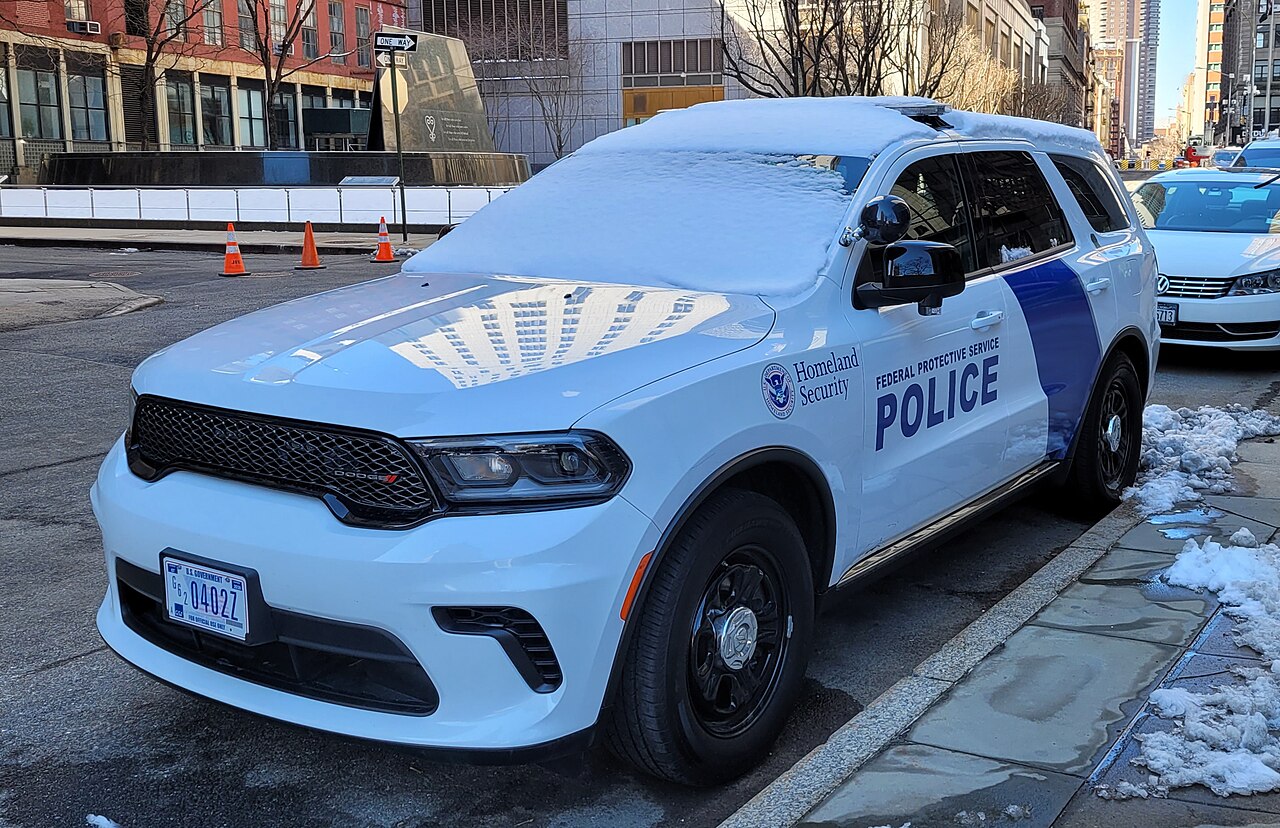
The Department of Homeland Security (DHS) serves as the primary federal law enforcement and logistical backbone during the annual New Founding Fathers' Day Purge. Unlike standard police forces which are suspended, DHS agents remain active to manage the event's infrastructure, secure government facilities, and enforce the specific rules that allow the chaos to proceed without collapsing into total anarchy. They act as the neutral arbiters between the state-sanctioned violence and the preservation of the nation's core institutions.
Quick Facts
- Affiliation
- United States Federal Government
- Primary role
- Event Management & Critical Infrastructure Protection
- Operational scope
- National (USA)
- Status
- Active
- Key function
- Enforcing Purge Rules and Securing Safe Zones
Lore & Background
Throughout the franchise's history, DHS agents have been seen coordinating evacuation routes for high-value targets, managing the perimeter of the White House, and occasionally intervening when the violence threatens to breach federal jurisdiction. They operate with a cold efficiency, often viewed by the public as faceless enforcers of a cruel system. Their presence is a constant reminder that while the citizens are free to kill, the state remains in control, watching from the shadows to ensure the experiment continues year after year.
Reader's Guide
The DHS operates under a strict doctrine of containment rather than intervention. Their ideology is rooted in the belief that the annual release of societal tension is necessary for national stability, and their job is to facilitate this release without allowing it to destroy the state apparatus. Leadership during the Purge is centralized within federal command centers, with field agents granted significant autonomy to manage immediate threats to infrastructure.
They operate using a tiered system: securing critical nodes like power grids and communication hubs first, then establishing safe corridors for essential personnel. During the twelve hours, DHS methods involve heavy surveillance, rapid deployment of armored units to breach points, and the use of non-lethal force against those attempting to attack government property. They do not engage in the general violence unless it directly threatens federal assets or violates the specific rules of engagement that define the Purge's boundaries.
Their influence on broader society is psychological; their visible presence reinforces the idea that while citizens are free, they are never truly alone. The DHS ensures that the Purge remains a controlled spectacle rather than an uncontrolled revolution.
Did You Know?
- DHS agents are one of the few groups legally permitted to carry weapons and enforce laws during the twelve-hour window, specifically regarding federal property protection.
- They often coordinate with private security firms to manage the evacuation of wealthy enclaves before the Purge begins.
- The department is responsible for broadcasting the official start and end times of the event via emergency alert systems nationwide.
- In several instances, DHS agents have been shown to protect individuals who are targeted by organized criminal groups if those individuals hold critical government information.
Gallery
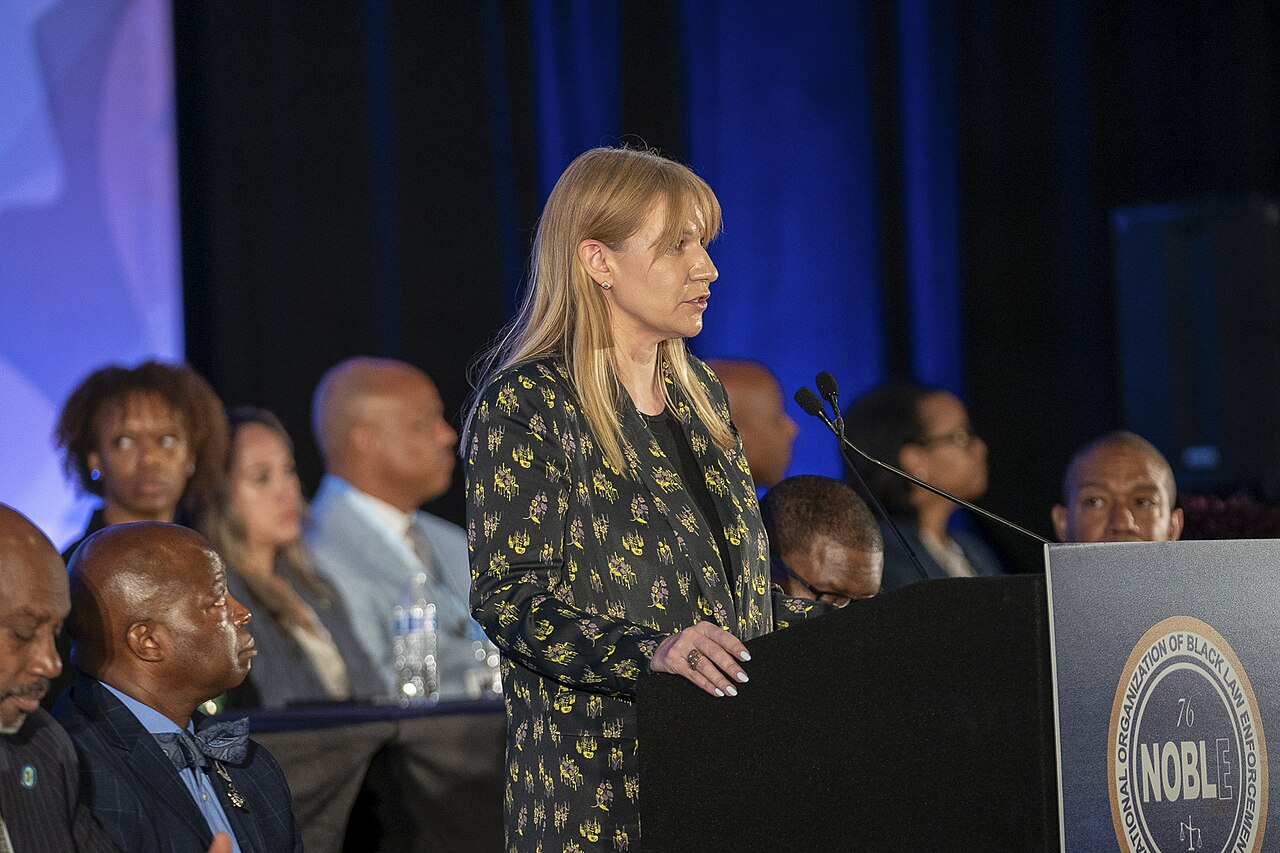
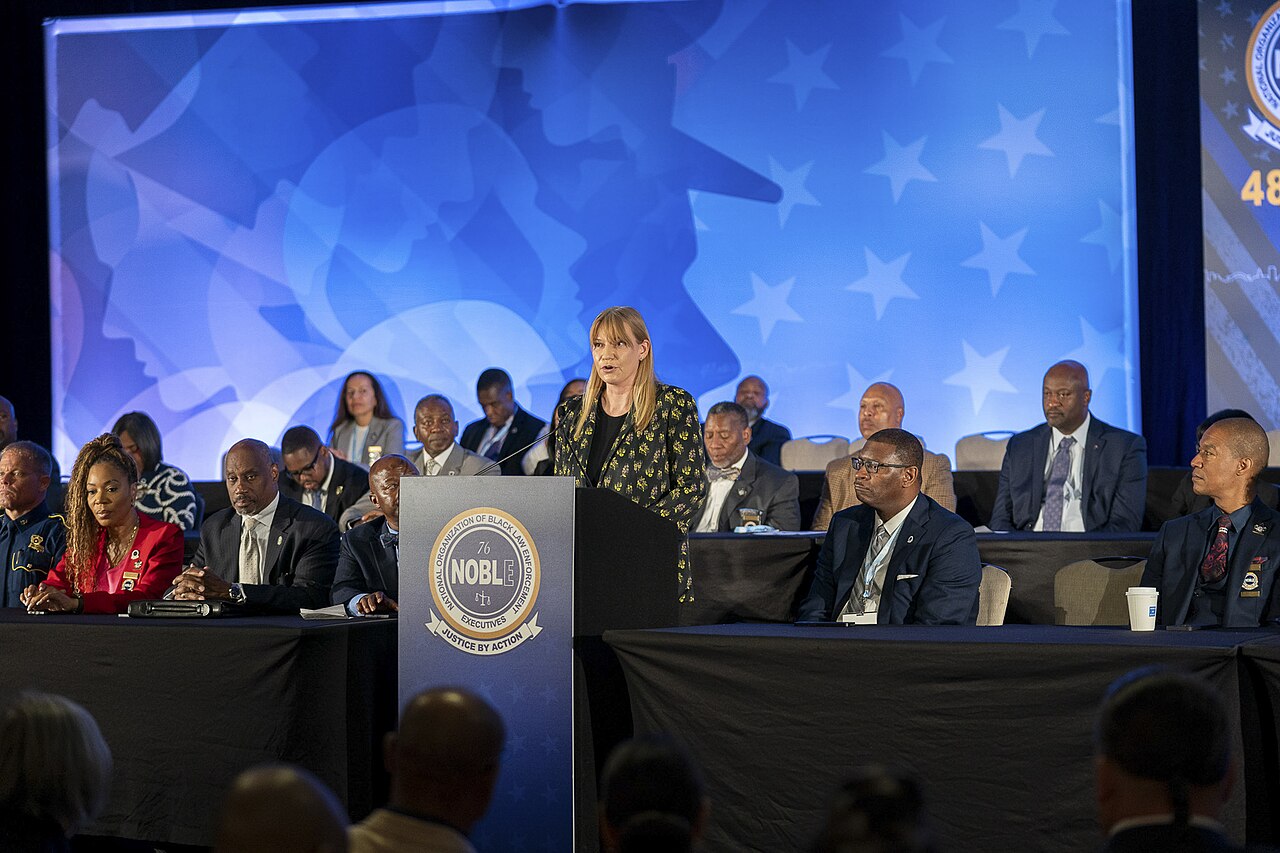
Frequently Asked Questions
What specific powers or roles do DHS agents hold during the Purge?
Their main function is enforcing the strict rules of the twelve-hour window while securing critical government facilities and designated safe zones. They provide the logistical backbone necessary to allow state-sanctioned violence to proceed without destroying the country's core institutions.
How does the story or role of the DHS conclude in the franchise?
The Department of Homeland Security remains an active, ongoing institution throughout the series with no definitive end to their operational status. They continue to serve as the silent guardians who ensure the chaos is contained within its legal and logistical boundaries year after year.
How does the DHS differ from regular police during the holiday?
While standard local law enforcement is suspended to allow citizens to commit crimes, DHS agents retain full authority to protect government assets and uphold the specific regulations of the Purge. This distinction allows them to act as the only active federal force capable of preventing total societal collapse.
More in Factions & Organizations
Elsewhere in The Purge
Spotted an error? Know more?
Reader corrections go straight into our review queue. Suggest an edit · How this site is sourced