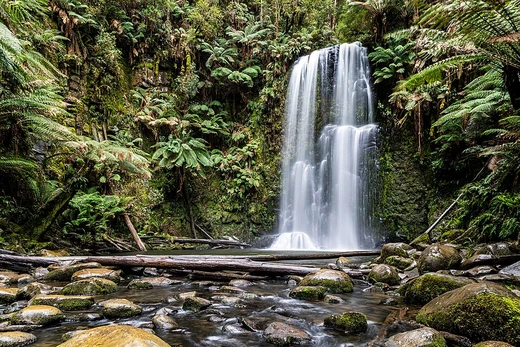
Riparian zone
Transitional land-water zones vital for hydrology, biodiversity, and water quality.
Last updated
A riparian zone is the interface between land and a river or stream, also referred to as a riparian buffer zone, riparian corridor, or riparian strip. It is a transitional area between terrestrial and aquatic ecosystems that regulates hydrological processes, maintains water quality, and supports biodiversity. Riparian zones are recognized as one of the terrestrial biomes of the Earth.
Roles and functions
Riparian zones dissipate stream energy by slowing water flow through meandering curves and vegetation, reducing soil erosion and flood damage. They trap sediment, lowering turbidity and replenishing soils, while filtering pollutants from surface runoff via biofiltration. These zones provide wildlife habitat, increase biodiversity, and serve as wildlife corridors that allow aquatic and riparian organisms to move along river systems, preventing isolated communities.
Riparian vegetation offers forage for wildlife and livestock and supports reproduction of species such as dragonflies, whose egg-laying depends on specific plants and substrates. Fish like brook and charr rely on these zones, and impacts on riparian areas can affect fish populations, with restoration not always sufficient for recovery. The zones extend seasonal or perennial water flows for native landscape irrigation and transfer nutrients from terrestrial vegetation—such as plant litter and insect drop—into aquatic food webs.
Shading from vegetation mitigates water temperature changes; thinning of riparian zones has been observed to cause higher maximum temperatures, greater fluctuations, and more frequent prolonged elevated temperatures, which can lethally affect fish and other organisms. Wood debris from vegetation contributes to stream geomorphology. Riparian zones buffer against nutrient loss after natural disasters like hurricanes, retaining nitrogen needed in the ecosystem.
Socially, they enhance property values through amenity and views, support footpaths and bikeways along foreshoreway networks, and provide space for fishing, swimming, and launching vessels.
Role in logging
When logging happens, protecting the riparian zone is a common concern. Undisturbed soil, ground cover, and plants create shade, leaf litter, and wood debris, and they also limit how much eroded soil leaves the logged area. How well this buffer works depends on soil type, root systems, climate, and plant cover. Logging harms these zones through sediment, species changes, and polluted water.
Riparian zones in Africa
Riparian forest occurs in Benin, West Africa, where the savanna ecosystem includes various woodlands such as semi-deciduous forests, dry forests, open forests, and woodland savannas along rivers and streams. In Nigeria, riparian zones exist in the Ibadan region of Oyo state, characterized by a network of perennial water streams. Research observed a consistent reduction in riparian forest extent over time due to significant deforestation. A notable decline of about 50% in riparian forest coverage occurred between 1978 and 2000, attributed to alterations in land use and land cover; if trends continue, these forests may face further depletion, potentially disappearing by 2040.
Riparian zones are also found in the Cape Agulhas region of South Africa, where they have experienced significant deterioration from human activities, including dam building and water extraction for irrigation, leading to diminished water flows and environmental changes.
Repair and restoration
Riparian zones can be restored through relocation of human-made products, rehabilitation, and time. Natural Sequence Farming techniques, used in the Upper Hunter Valley of New South Wales, Australia, involve placing obstacles in the water's pathway to lessen flood energy and help deposit soil and seep into the flood zone. Another technique quickly establishes ecological succession by encouraging fast-growing pioneer species, which may stabilize soil, place carbon into the ground, and protect land from drying, though they can cause environmental degradation; these weeds improve streambeds so trees and grasses can return and ideally replace them.
Other techniques include installing bed control structures such as log sills, using pin groynes or rock emplacement, controlling invasive species, monitoring herbivore activity, and ceasing human activity in a zone followed by natural re-vegetation. Conservation efforts have encouraged incorporating the value of ecosystem services provided by riparian zones into management plans.
Did You Know?
- Riparian plant communities along lowland streams exhibit remarkable species diversity, driven by unique environmental gradients.
- In South Africa's fynbos biome, riparian ecosystems are heavily invaded by alien woody plants.
- The assortment of riparian zone trees typically consists of emergent aquatic plants, herbs, trees, and shrubs that thrive near water.
More in Terrestrial Biomes
Sources
Compiled from Wikipedia and the sources listed below. Text from Wikipedia is available under CC BY-SA 4.0; this entry is adapted from it.
- Wikipedia: Riparian zone (CC BY-SA 4.0).
- Word definitions: the , each quoted from its Wikipedia article.
Spotted an error? Know more?
Reader corrections go straight into our review queue. Suggest an edit · How this site is sourced