
Queen of the Nile (The Twilight Zone)
A Twilight Zone episode about an immortal movie star.

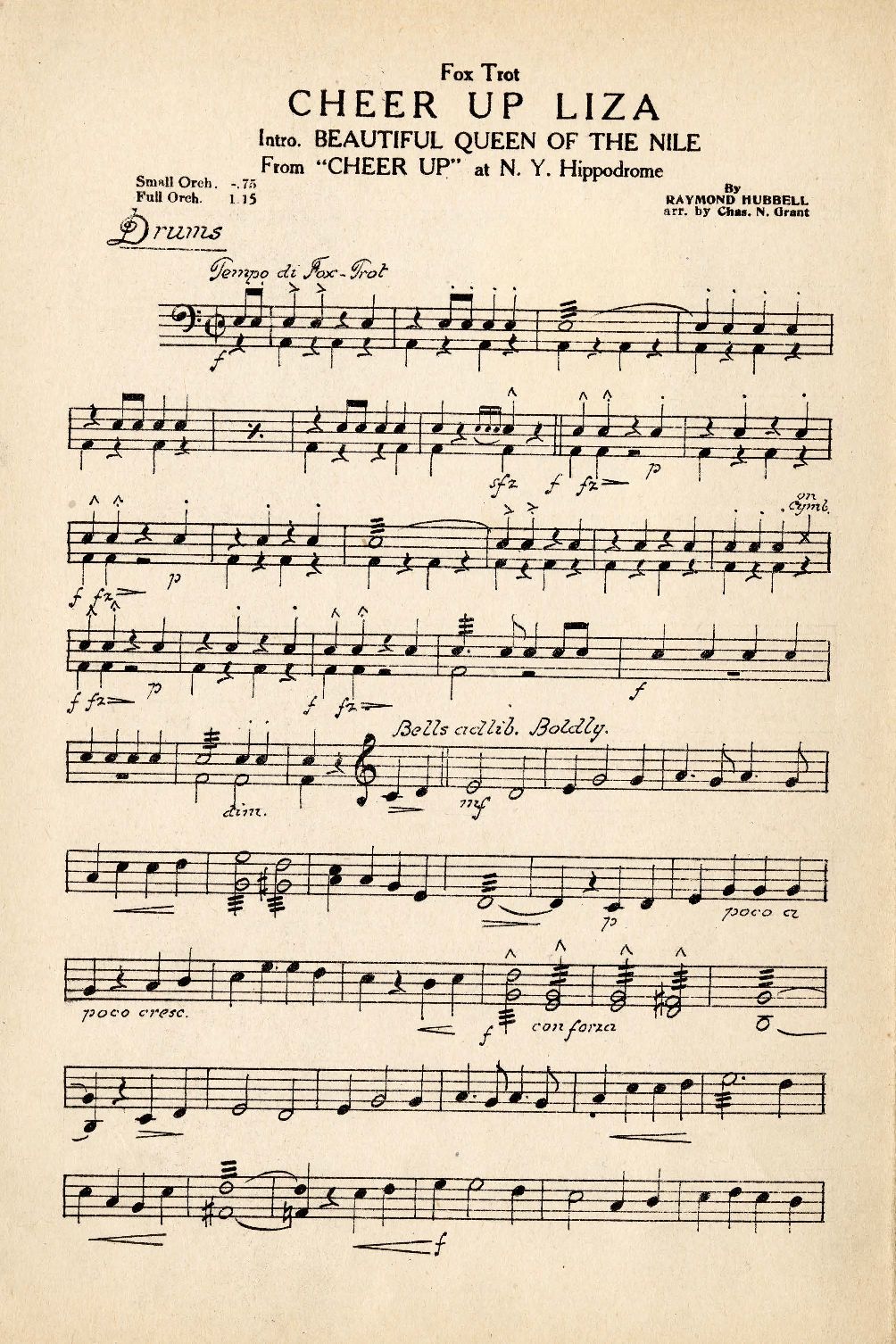
Hubbell, Raymond, 1879-1954 · Public domain
Episode 143 of *The Twilight Zone* follows Jordan Herrick, a syndicated newspaper columnist, who interviews Pamela Morris, a celebrated movie star known for her timeless beauty and vitality. During his visit to her manor, Herrick notices a painting of Pamela dated 1940, in which she appears exactly as she does in the present. Pamela explains that the artist painted her as a child with a projection of her adult appearance. After the interview, an elderly woman introduced as Pamela’s mother, Mrs. Draper, warns Herrick never to return, later claiming she is actually Pamela’s daughter.
On their date, Pamela mentions performing at a specific Chicago theater. Herrick relays Mrs. Draper’s warning, which Pamela dismisses as mental illness. He then asks his editor to investigate Pamela’s first film, *The Queen of the Nile*. The editor discovers it was a remake of a silent movie shot in Egypt, whose leading lady, Constance Taylor, died in a cave-in near the end of filming. Photos of Constance and Pamela in the same role look alike. The editor also notes the theater Pamela mentioned was demolished 40 years earlier. Herrick requests articles on every man Pamela has been involved with.
Returning to the manor, Herrick confronts Pamela with his findings. She drugs his coffee and places a scarab beetle on his unconscious body. The beetle drains his life, reducing him to dust. Pamela then applies the scarab to her own chest. The episode closes with another young columnist arriving to interview Pamela, suggesting the cycle will repeat. The closing narration hints that Pamela may be Cleopatra VII, having lived for over 2,000 years.
The aging effect for Herrick was achieved using an old movie trick, the same technique employed in “Long Live Walter Jameson.” The footage of the victim turning to dust was recycled from that same episode. The theme of a femme fatale who seduces and kills men to maintain her immortality echoes the classic poem “La Belle Dame sans Merci.”
- Episode number
- 143
- Series
- The Twilight Zone
- Field
- Television anthology
- Known for
- Story of an immortal femme fatale movie star who drains life from men using a scarab beetle
Lore & Background
The episode opens with syndicated columnist Jordan Herrick visiting actress Pamela Morris, a 38-year-old woman renowned for her beauty and vitality. In her manor, he notices a painting of her dated 1940, yet she looks unchanged. She deflects questions about her age, claiming the painter drew her as a child with a projection of her adult self. An old woman introduced as Pamela's mother, Mrs. Draper, warns Herrick to never return, later revealing she is actually Pamela's daughter.
During their date, Herrick mentions he is from Chicago, and Pamela recalls playing at a theater there. After Mrs. Draper's warning, Herrick asks his editor to research Pamela's first film, The Queen of the Nile. The editor discovers it was a remake of a silent movie filmed in Egypt, whose leading lady, Constance Taylor, was apparently killed in a cave-in. Photos of Constance and Pamela look alike, and the theater Pamela mentioned was torn down 40 years earlier. Herrick confronts Pamela, who drugs his coffee and places a scarab beetle on his body, draining his life until he turns to dust. She then applies the scarab to her own chest.
The episode ends with another young columnist arriving to interview Pamela, starting the cycle again. The closing narration hints that Pamela is actually Cleopatra VII, having lived for more than 2,000 years.
Reader's Guide
Queen of the Nile is notable for its use of recycled footage from an earlier Twilight Zone episode, Long Live Walter Jameson, including the aging effect and the victim's body turning to dust. The episode draws on the classic theme of a femme fatale who seduces and kills men to maintain her immortality, as seen in the poem La Belle Dame sans Merci. The episode's narrative structure—a journalist investigating an ageless star, only to become her next victim—reinforces the series' recurring motif of ordinary people encountering the supernatural. The ambiguous closing narration leaves Pamela's true identity as Cleopatra VII as a suggestion rather than a confirmed fact, preserving the mystery central to The Twilight Zone's storytelling.
Did You Know?
- The footage of Herrick aging is an old movie trick, the same type used in Long Live Walter Jameson.
- The footage of the victim's body becoming dust is recycled footage from Long Live Walter Jameson.
The Seduction and the Investigation
Syndicated columnist Jordan Herrick, a man whose bylines appear in over a hundred newspapers and whose worldview is defined by cynicism, stumbles into a trap when he visits actress Pamela Morris for a routine interview. At her manor, a painting dated 1940 shows a woman who looks identical to the thirty-eight-year-old Pamela standing before him. She deflects questions about the discrepancy, attributing it to a childhood portrait with an adult projection. As Herrick departs, an elderly woman she introduced as her mother—actually, she reveals, Pamela's daughter—urgently warns him never to return. That warning ignites Herrick's investigative instincts. After a flirtatious dinner during which Pamela casually references a Chicago theater that, as his editor later confirms, was demolished forty years earlier, Herrick presses his editor to dig into Pamela's filmography. The research uncovers that her first role, in a remake of a silent film shot on location in Egypt, was originally played by Constance Taylor, who died in a cave-in near the end of production. Side-by-side photographs reveal an uncanny resemblance between Taylor and Morris. Armed with this evidence, Herrick returns to confront Pamela, setting in motion the fatal sequence that will reduce him to dust.
The Eternal Predator and Her Literary Ancestors
The episode draws its deepest resonance from a literary tradition embodied in the classic poem 'La Belle Dame sans Merci,' which explores the theme of a bewitching woman who seduces and kills men to sustain her immortality. Pamela Morris is a television incarnation of that archetype stretched across millennia. The closing narration strongly implies her true identity is Cleopatra VII, suggesting she has walked the earth for more than two thousand years, her face unchanged, her hunger undiminished. Her method of sustenance is both ancient and visceral: a scarab beetle placed upon a victim's body extracts his life force until he crumbles to dust, a process she then reverses by pressing the insect to her own chest to restore her vitality. The cyclical structure of the episode amplifies the horror. The final shot introduces yet another young, handsome columnist arriving for an interview, guaranteeing the pattern will repeat indefinitely. Pamela is not merely a monster but an eternal predator whose beauty is the instrument of her survival, and whose victims are as interchangeable as the hundred-plus newspapers that once carried Herrick's bylines.
Production Craft and Recycled Imagery
As episode 143 in the American television anthology series The Twilight Zone, 'Queen of the Nile' showcases the kind of resourceful production design that defined the show's visual language. The sequence in which Jordan Herrick visibly ages and his body disintegrates into dust is not newly shot for this installment. The footage of the victim's body becoming dust is recycled directly from the earlier episode 'Long Live Walter Jameson,' and the aging effect employs the same old movie trick used in that same prior story. This reuse of practical effects underscores the show's commitment to visual storytelling over expensive spectacle, allowing a production team to deliver genuinely unsettling imagery through economical means. The episode is bookended by the series' signature narration: the opening introduces Herrick as a cynic and disbeliever momentarily captivated by a lovely vision, while the closing reframes Pamela as a figure with an Egyptian name from centuries past, urging the audience not to be too curious. These narrations function as both framing devices and moral cautions, positioning the viewer as a potential witness to the same seductive danger that consumed the columnist.
The Zone as Warning and the Audience as Prey
The Twilight Zone has always operated as a space where the boundary between the safe and the terrible is porous, and 'Queen of the Nile' exploits that tension with particular cruelty. The opening narration tells us that Jordan Herrick, by nature a cynic and disbeliever, has looked into the very face of the Twilight Zone the instant he glimpses Pamela Morris. This framing transforms the entire episode into a trap sprung on the viewer as well: we are invited to admire her beauty, to sympathize with Herrick's investigative curiosity, and then to watch the consequences unfold in real time. The closing narration makes the warning explicit and personal, cautioning the audience against excessive curiosity and reminding them that the consequence of looking too closely is ending up as nothing more than a heap of dust and discarded garments, abandoned in the Zone's boundless eternity. The phrase evokes the two-thousand-year span Pamela has inhabited, suggesting her cycle of seduction and consumption has no terminus. The final image of a new young columnist arriving seals the message: the Zone does not punish once and move on. It repeats, endlessly, and the audience is always one glance away from becoming the next victim.
Gallery
More in Television episodes about witchcraft 1-24
Spotted an error? Know more?
Reader corrections go straight into our review queue. Suggest an edit · How this site is sourced