Frequently Asked Questions
The most-asked questions about teen superhero films.
What defines a teen superhero film as a genre?
A teen superhero film places a young protagonist—usually a teenager or young adult—at the center of a story about discovering, mastering, or living with superpowers. These narratives typically weave in coming-of-age concerns like identity, friendship, and self-doubt alongside the action and spectacle of the superhero genre.
Who are the most iconic teen superhero characters?
Spider-Man, the younger X-Men (Cyclops, Storm, Rogue), and Wonder Girl are frequently cited as archetypal teen heroes in film. More recently, characters like Miles Morales and the MCU's younger Avengers have expanded the roster significantly.
Where should a newcomer start watching?
A widely suggested entry point is Spider-Man (2002) or the original X-Men (2000), both of which introduced young heroes to broad audiences in a self-contained way. For a more modern start, Spider-Man: Homecoming (2017) or Spider-Man: Into the Spider-Verse (2018) offer complete, accessible stories.
How do teen superhero films differ from adult superhero films?
They tend to ground the hero's struggles in inexperience, social pressure, and the tension between personal life and public duty rather than purely physical stakes. The tone often balances humor and vulnerability, and the central question is usually 'who am I?' rather than 'can I win?'
What are some landmark films in the genre?
Spider-Man (2002), X-Men (2000), and Spider-Man: Across the Spider-Verse (2023) are consistently highlighted as pivotal entries that shaped how audiences experience young heroes on screen. Black Panther (2018) is also often mentioned for redefining the genre's visual and cultural scope.
What recurring themes appear across teen superhero films?
Common threads include the fear of being misunderstood, the balance between school or family obligations and heroism, and the idea that power is a responsibility rather than a right. Mentorship relationships and the question of whether heroism is chosen or inherited also surface repeatedly.
Which directors are most associated with the genre?
Sam Raimi (the Spider-Man trilogy) and Bryan Singer (the original X-Men trilogy) are frequently named as foundational voices. For the animated side, the creative teams behind the Spider-Verse films have become a modern benchmark for the genre.
What are some of the most talked-about moments in the genre?
Peter Parker's 'with great power comes great responsibility' line in Spider-Man (2002) remains a perennial fan favorite. The X-Men's declaration of identity in the 2000 film and the multiverse reveal in Spider-Man: Into the Spider-Verse are also frequently referenced in fan discussions.
How has the genre evolved over the past few decades?
Entries from the late 1990s and 2000s leaned heavily on ensemble action and comic-book spectacle with a relatively uniform tone. The 2010s and 2020s shifted toward more grounded, character-driven storytelling with greater diversity in representation, humor, and emotional depth.
What are the most popular teen superhero franchises among fans?
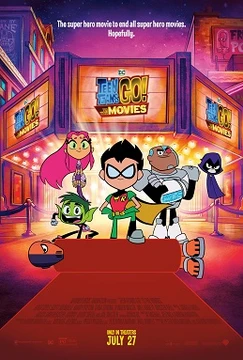
Spider-Man, the X-Men, and the broader Marvel Cinematic Universe (especially its younger heroes) consistently top fan polls and box-office conversations. DC's younger roster, including the Teen Titans and Wonder Girl, also draws a dedicated and vocal fan community.