Frequently Asked Questions
The most-asked questions about stock characters.
What is a stock character?
A stock character is a pre-fabricated, instantly recognizable type of figure that recurs across many stories without much individual development. Think of the bumbling sidekick, the wise old mentor, or the scheming villain—audiences know exactly what to expect before the character even speaks.
Who are the most iconic stock characters in Western storytelling?
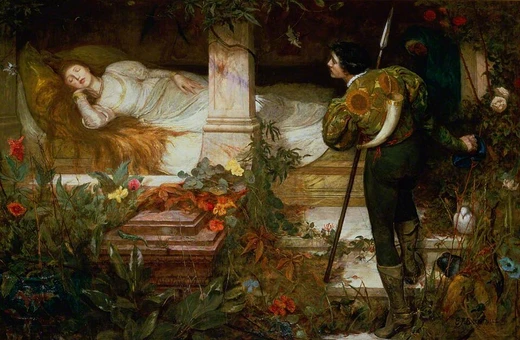
The Fool, the Mentor, the Damsel in Distress, and the Trickster are among the oldest and most recurring types, tracing back to Greek and Roman drama. In modern media, the 'lone wolf antihero' and the 'tech genius best friend' have become equally recognizable shorthand.
Where should a newcomer start if they want to understand stock characters?
Beginning with classical comedy—Plautus, Molière, or Shakespeare—gives the clearest picture of how these types were codified. From there, comparing them to modern film and TV examples like the 'chosen one' in fantasy series makes the tradition feel immediate.
How is a stock character different from an archetype?
An archetype is a deeper, universal pattern (the Hero, the Shadow) rooted in collective psychology, while a stock character is a surface-level, formulaic role a writer plugs into a plot. You can build a fully realized character around an archetype, but a stock character is essentially that archetype stripped of interiority.
Why do writers and showrunners still rely on stock characters?
They serve as efficient communication tools, letting an audience orient themselves in a new story within seconds. They also create a shared vocabulary that makes subversion and parody possible—twisting the 'evil twin' trope only lands because the original is so well known.
What are some of the most common stock character types?
Recurring examples include the Brute, the Confidant, the Love Interest, the Comic Relief, and the Authority Figure who is always wrong. In genre fiction, the 'by-the-book cop paired with the rule-breaking partner' is arguably the most overused duo in modern screenwriting.
What is the historical origin of stock characters?
The practice dates to ancient Greek and Roman theatre, where actors wore masks representing fixed types like the Old Man, the Young Lover, or the Slave. The tradition carried through medieval mystery plays, Renaissance comedy, and eventually into the formulaic structure of Hollywood screenwriting.
Can a stock character be subverted or deconstructed?
Absolutely—some of the most celebrated modern writing does exactly that, flipping the expected role to surprise the audience. A 'damsel' who rescues the hero, or a 'mentor' who is actually the true villain, are classic examples of this technique.
How do stock characters differ from stereotypes?
A stock character is a narrative device chosen for plot convenience, while a stereotype is a reductive assumption about a real-world group of people. The two can overlap when a writer lazily assigns a stock role based on a character's race, gender, or background rather than their story function.
Are stock characters inherently bad writing?
Not at all—used knowingly, they provide rhythm, humor, and structural clarity that audiences enjoy. The criticism usually targets writers who mistake a stock type for a fully developed character, leaving the audience sensing a hollow where a person should be.