Atopic dermatitis
Chronic skin inflammation causing itchy, red, and thickened skin.
Last updated

Dwxn · CC BY-SA 4.0
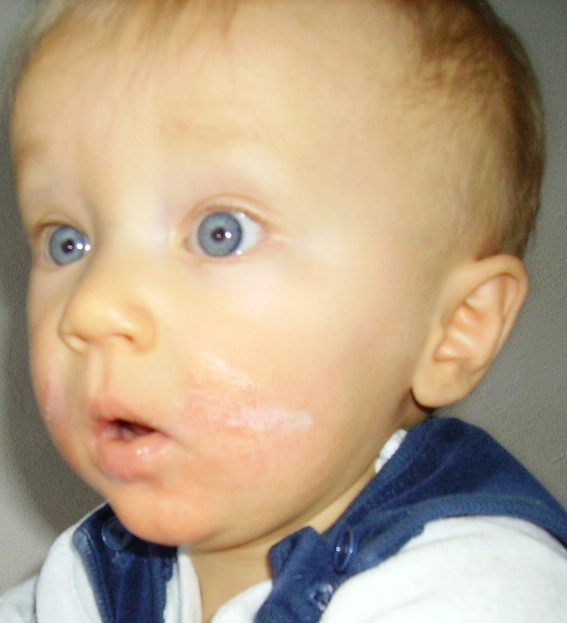
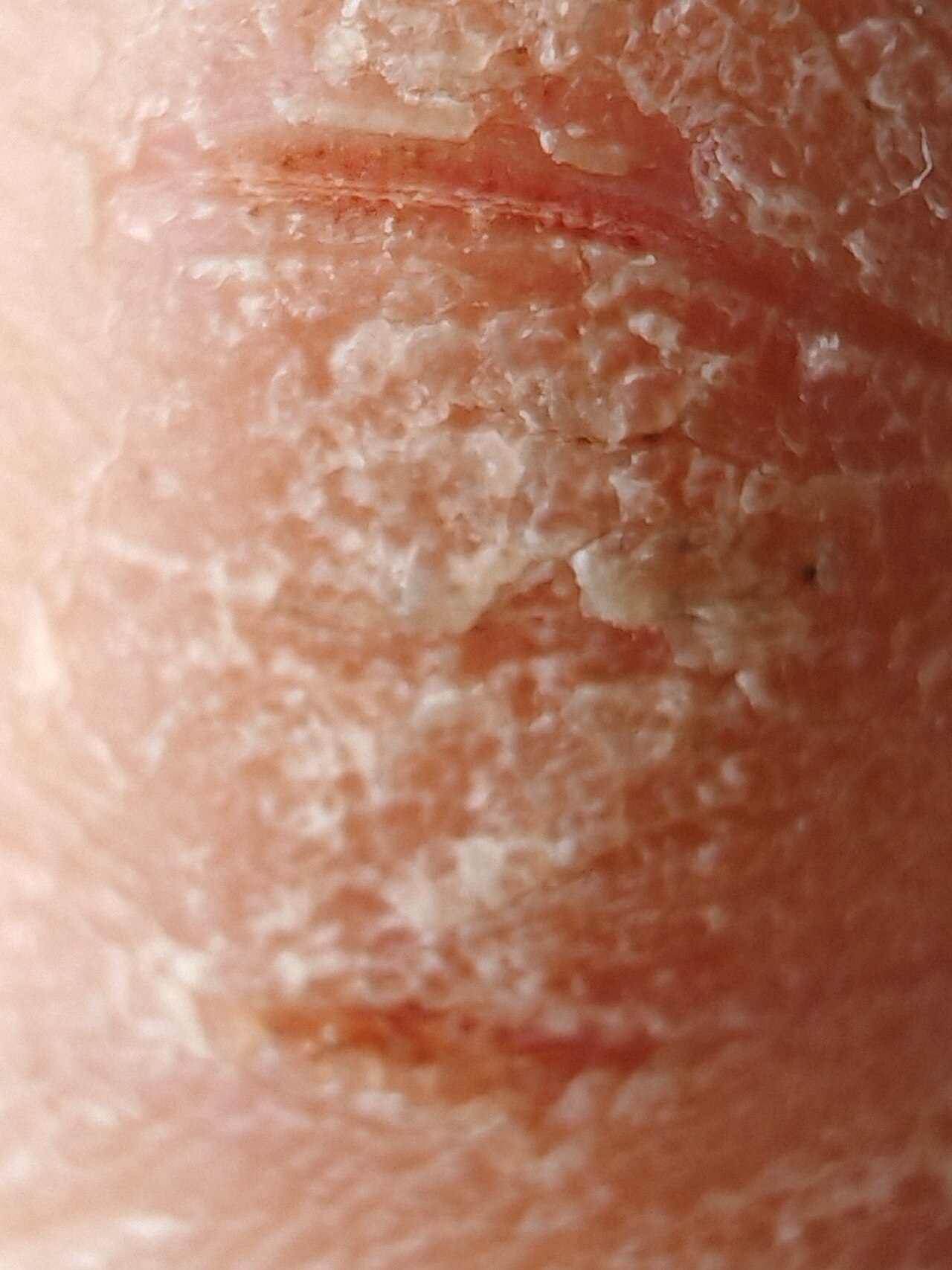
Atopic dermatitis (AD), also known as atopic eczema, is a chronic type of inflammation of the skin. It results in itchy, red, swollen, and cracked skin, and clear fluid may come from affected areas, which can thicken over time in a process called lichenification. The condition affects about 20% of people at some point in their lives, is more common in younger children, and females are affected slightly more often than males.
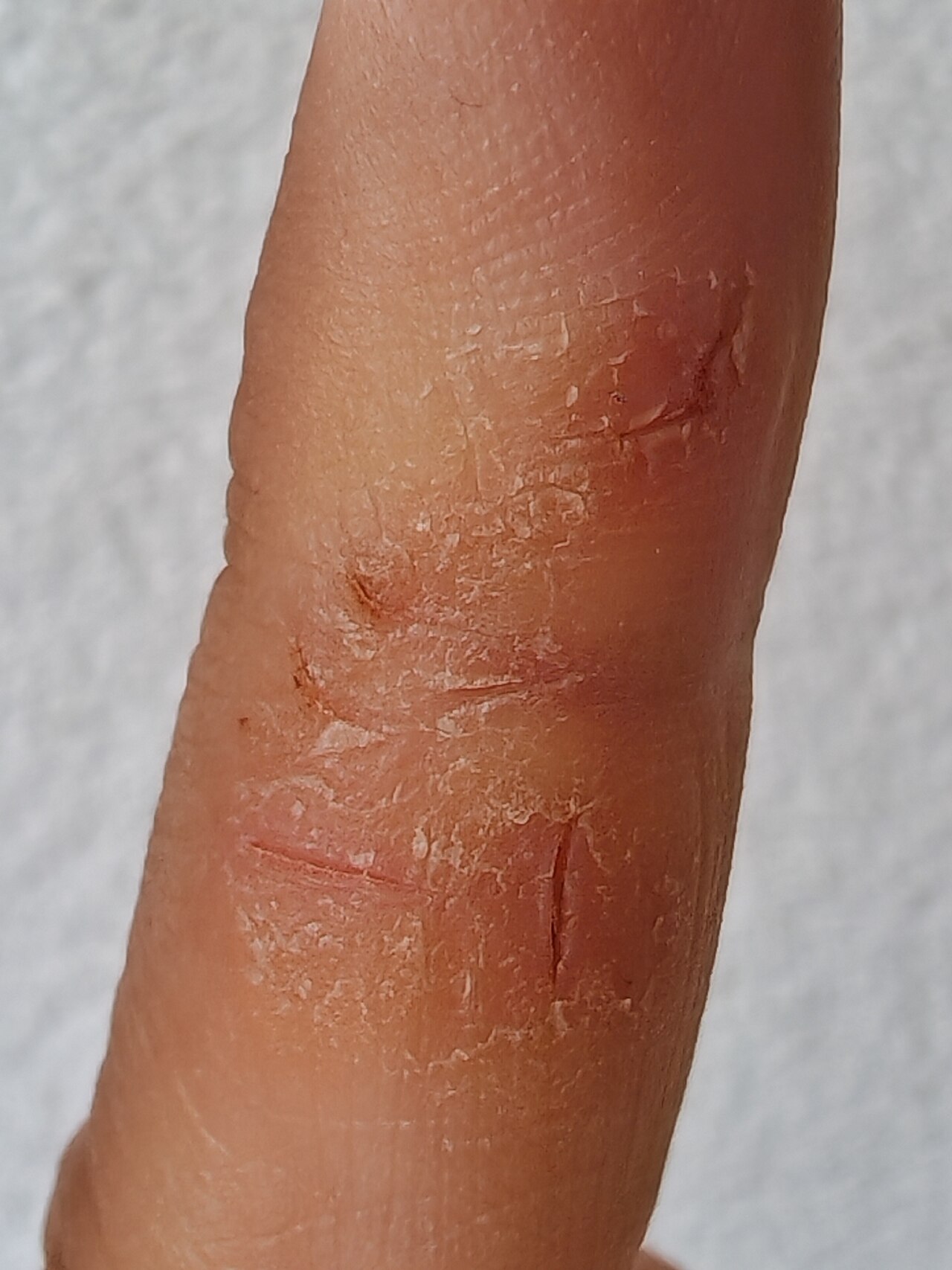
Lore & Background
Atopic dermatitis is a multifactorial disease with no known exact cause, believed to involve genetics, immune system dysfunction, environmental exposures, and difficulties with skin permeability. If one identical twin is affected, the other has an 85% chance of having the condition. Those living in cities and dry climates are more commonly affected, and exposure to certain chemicals or frequent hand washing makes symptoms worse. Emotional stress may worsen symptoms but is not a cause, and the disorder is not contagious.
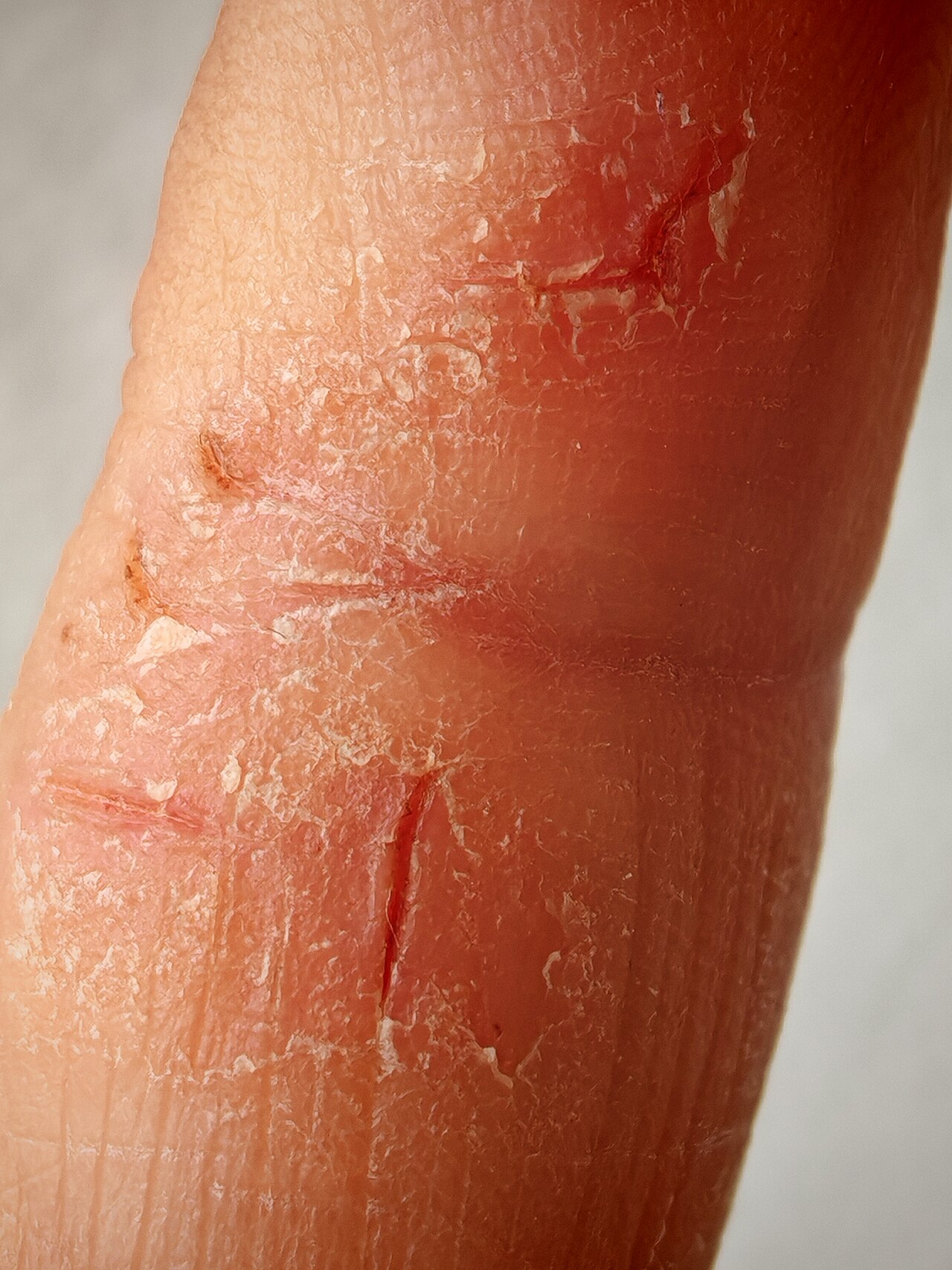
Reader's Guide
Atopic dermatitis is significant as one of the most common chronic skin conditions, affecting about 20% of people at some point in their lives. Its impact extends beyond the skin, as many people with AD develop hay fever or asthma. The condition typically begins in childhood and can vary in severity over the years, with affected areas changing as the person ages: in infants, the face, limbs, and much of the body may be affected; in older children, the insides of the knees, folds of the elbows, and around the neck are common; in adults, the hands and feet are commonly affected.
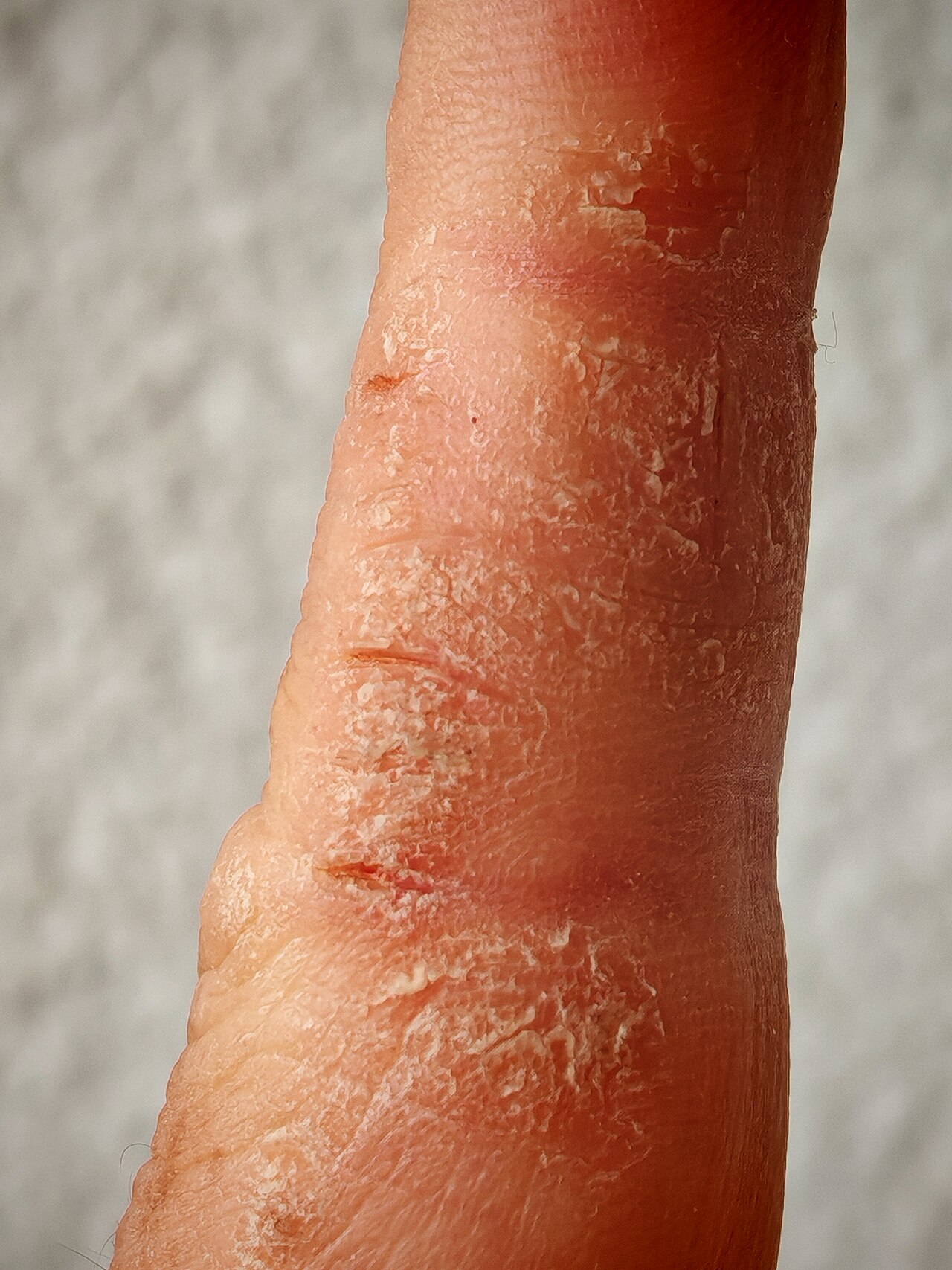
Treatment focuses on avoiding triggers, enhancing the skin barrier with moisturisers, and controlling inflammation with corticosteroid creams or calcineurin inhibitors. More severe cases may require systemic medicines such as ciclosporin, methotrexate, dupilumab, or baricitinib. The condition is not contagious, and dietary exclusion is only needed if food allergies are suspected.
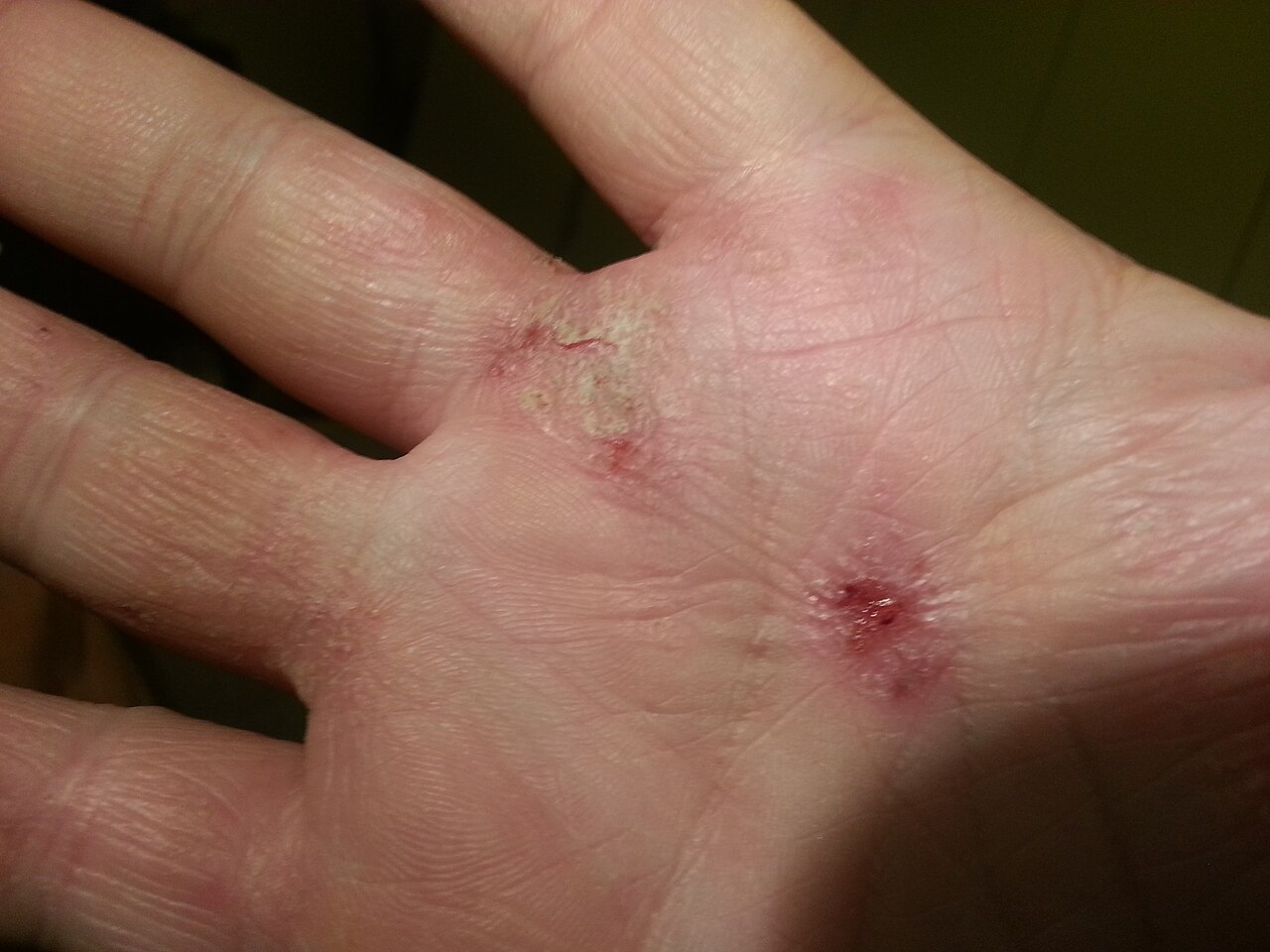
More in Steroid-responsive inflammatory conditions
Sources
Compiled from Wikipedia and the sources listed below. Text from Wikipedia is available under CC BY-SA 4.0; this entry is adapted from it.
- Wikipedia: Atopic dermatitis (CC BY-SA 4.0).
- Word definitions: the Codexery glossary, each quoted from its Wikipedia article.
Spotted an error? Know more?
Reader corrections go straight into our review queue. Suggest an edit · How this site is sourced