Black box theater
A flexible, black-walled performance space for varied staging.
A black box theater is an adaptable performance venue, usually a square or rectangular room. Its black walls and flat black floor support diverse stage setups, lighting designs, and audience arrangements.
Quick Facts
- Notable black box theaters
- The Black Box Theatre in Oslo, Norway; Alvina Krause Studio at Northwestern University
- Key historical figure
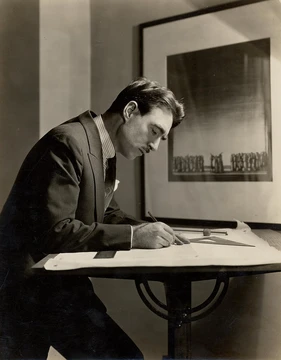
- Swiss designer Adolphe Appia, circa 1921
Facts from the source article.
History
Black box theaters trace back to early 20th century American avant-garde work. They gained traction in the 1960s, often used first as rehearsal spaces. Because almost any large room can become a black box with paint or curtains, they offer an easy, low-cost option for theater artists. Early examples were found in storefronts, church basements, and old trolley barns. With simple, small sets and lower expenses, these spaces appeal to nonprofit and low-income companies. Many see the black box as a venue for exploring a more pure form of theater, where human performance and minimal technical elements take center stage. The idea of a building designed for flexible staging came from Swiss designer Adolphe Appia around 1921. This concept was later taken up by Harley Granville Barker, who envisioned directing in a great white box, a plan that succeeded in 1970. Antonin Artaud also conceived a similar stage. In America, the first flexible stage appeared in the living room of actor-manager Gilmor Brown in Pasadena, California. Though its domestic decor kept it from being a true black box, the idea was revolutionary. That venue, along with two later versions, became known as the Playbox Theatre, serving as an experimental space for Brown's larger Pasadena Playhouse.
Design
Black box theaters have evolved over time. Older ones often resembled television studios, featuring a low pipe grid overhead. Newer versions usually include catwalks or tension grids, which offer the adaptability of a pipe grid along with the easy access of a catwalk. While the walls are typically painted black, this isn't a strict rule. Because there's no permanent stage or seating arrangement, lighting setups must be completely rethought for each show. The audience's closeness also forces directors and actors to adjust their blocking and vocal projection. Common layouts include thrust stage, modified thrust stage, and theater-in-the-round.
Popular usage
Black box theaters are a go-to for universities and training programs because their flexible, easy-to-reconfigure layouts make them ideal for a wide range of shows. The dark walls help keep the audience’s focus squarely on the performers. Many programs pair a large proscenium stage with a black box, letting them run a big, lavish production on the main stage while staging a smaller, experimental piece in the black box at the same time. These spaces are also a staple at fringe festivals, where their simple setup and equipment allow multiple performances to cycle through in a single day. That same simplicity means any room—like a hotel conference room—can be turned into a black box theater, a common practice at the Edinburgh Festival Fringe, where large venues rent entire buildings and subdivide each room for different theater companies.
More in Stagecraft
Spotted an error? Know more?
Reader corrections go straight into our review queue. Suggest an edit · How this site is sourced