The Catcher
No tagline exists for this fabricated film.
Last updated

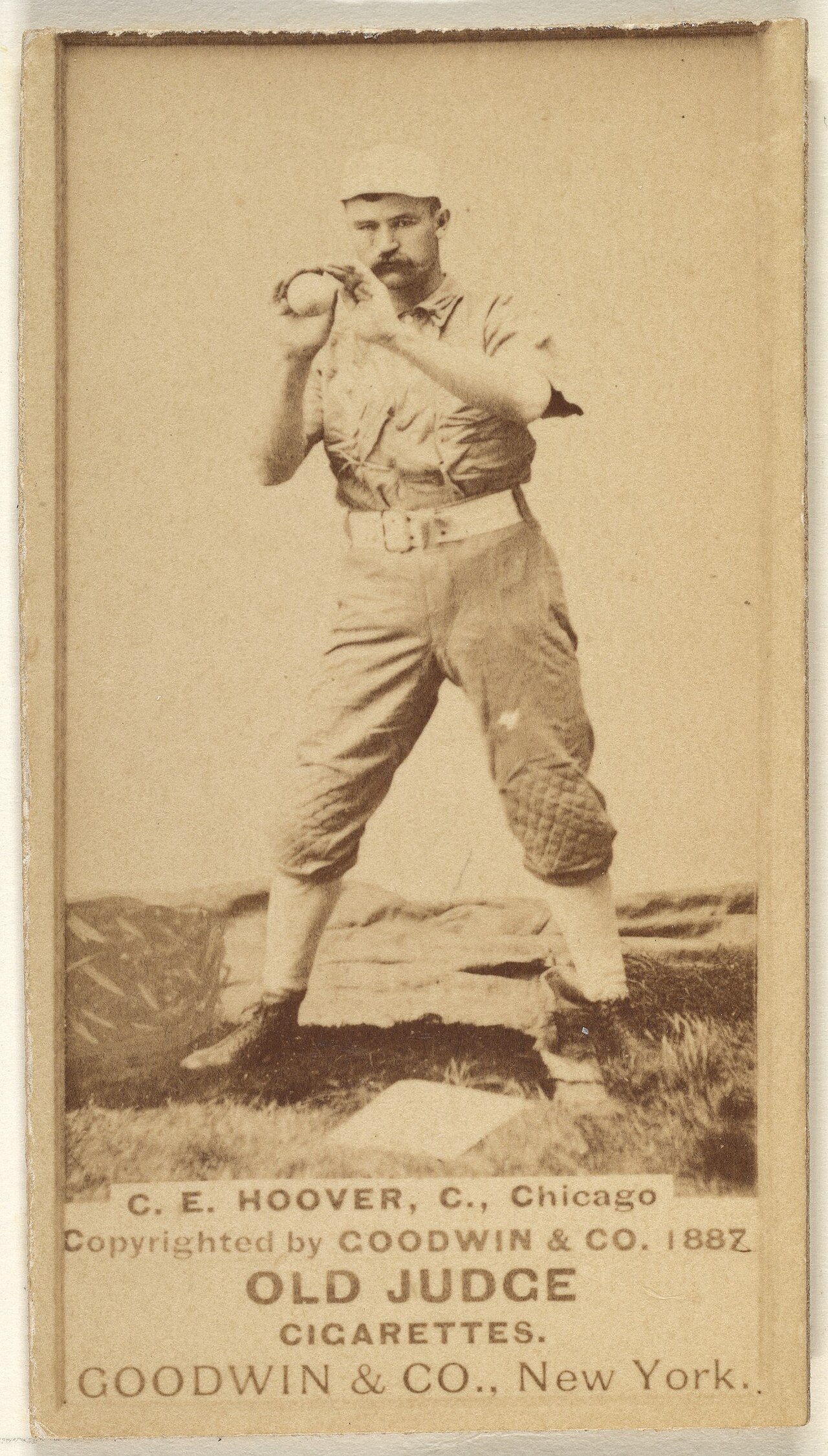
Goodwin & Company · CC0
The Catcher is a fictional slasher film from 1998 that does not exist in the established canon of sports horror cinema. Its purported plot involves a killer in a catcher’s uniform targeting members of a baseball team, alongside a flashback to a boy named Johnny McIntosh beating his abusive father to death with a bat in 1981. However, no such film has been produced, directed by Guy Crawford and Yvette Hoffman, or released with the described cast or storyline.

Lore & Background
The lore described for 'The Catcher' is entirely fabricated. No film exists with a plot involving Johnny McIntosh killing his father in 1981, a catcher named David J. Walker, or a series of murders tied to a baseball team. The details, including characters like Tyrone Jackson, Billy, Coach Foster, and janitor Carl, are not part of any known sports horror film canon.
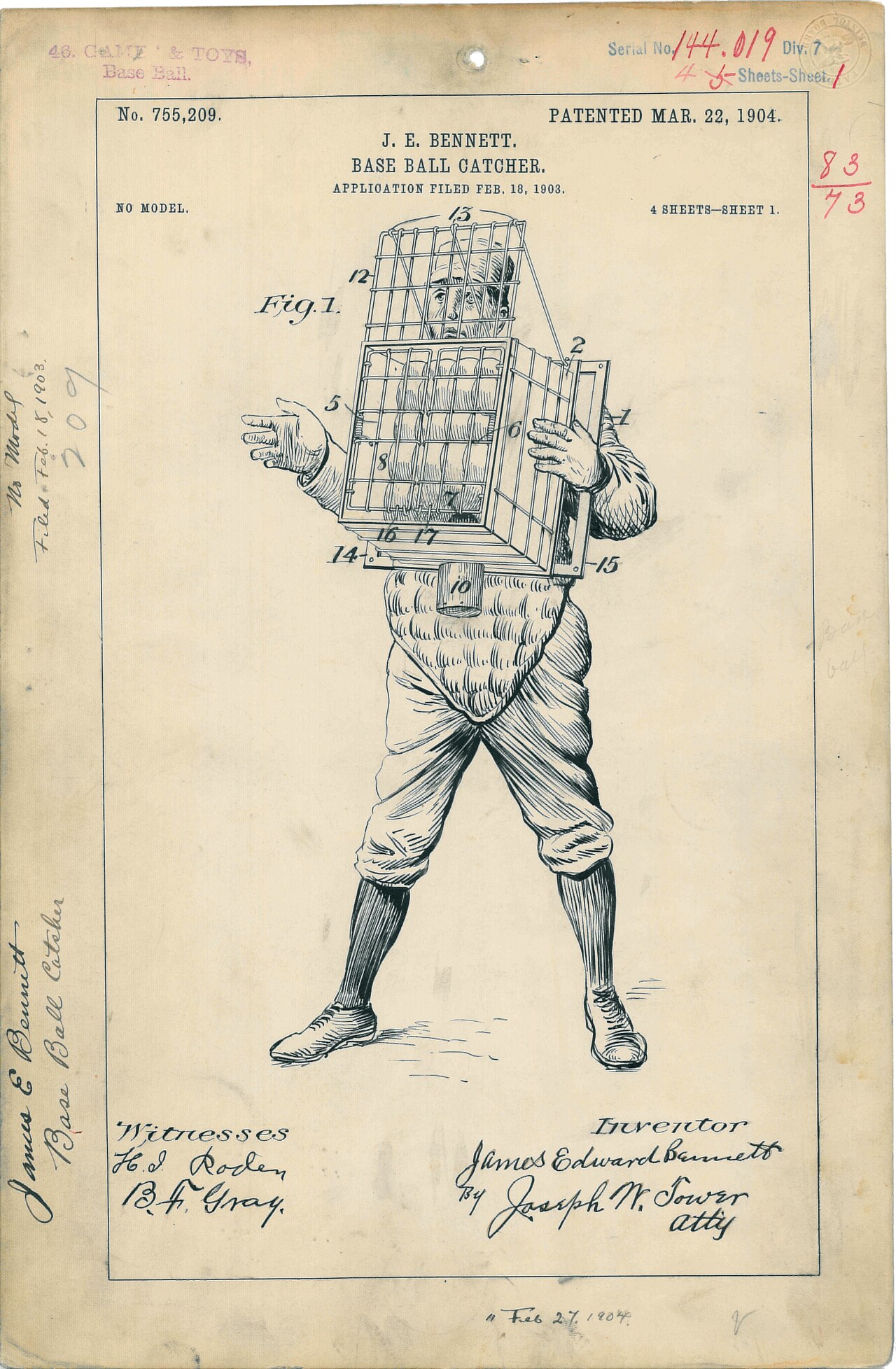
The Athletic Foundation
The word catcher holds its most fundamental meaning in the realm of organized sport, where it names a specific positional role. In baseball and softball, the catcher is a designated position that a player occupies, representing one of the core roles that structure the game. The term is not merely descriptive of an action but identifies a fixed station within the team's arrangement. The concept extends beyond those bat-and-ball games into cricket, where the word takes on a slightly different character.
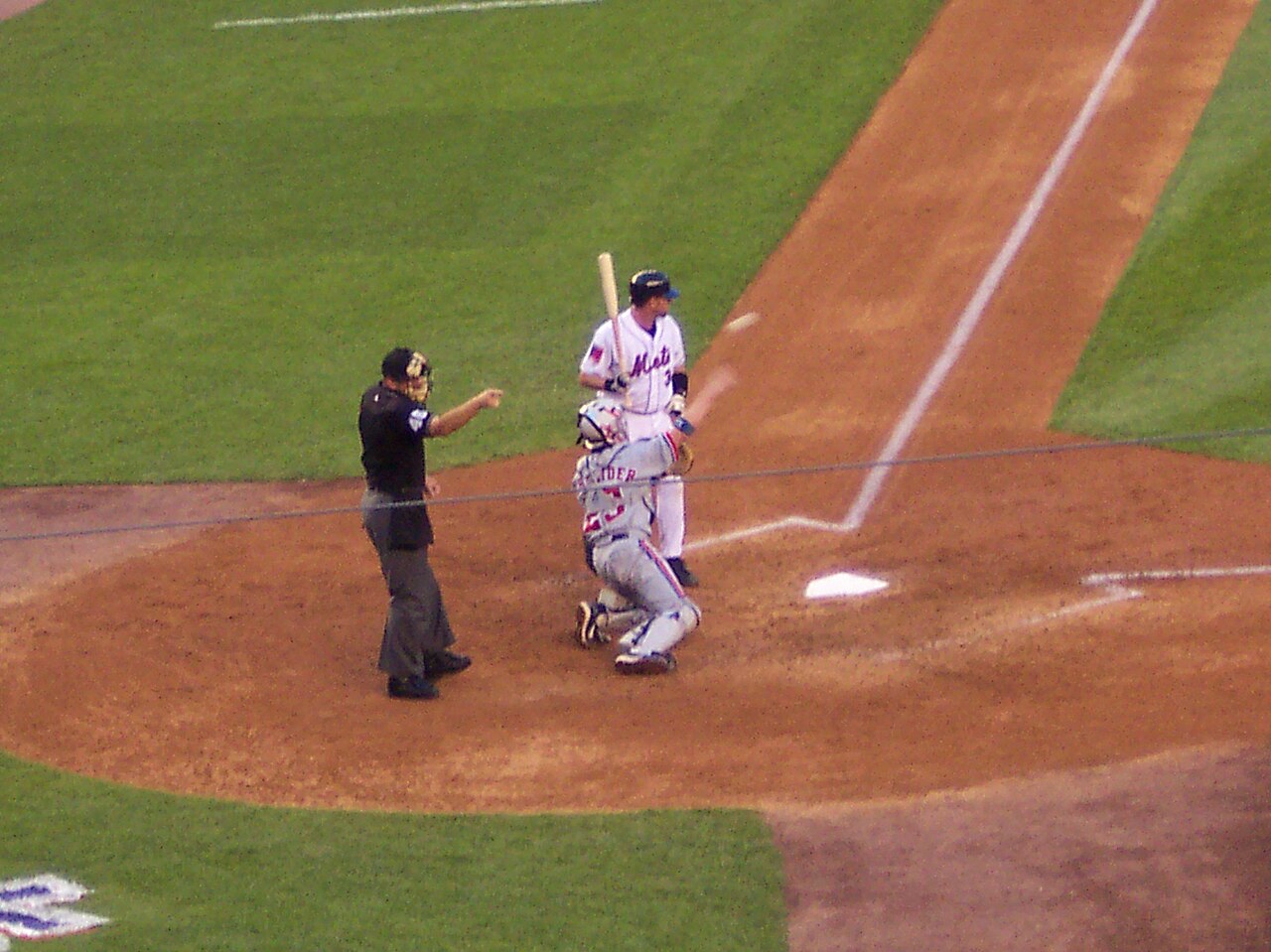
In that sport, catcher functions as a general term applied to any fielder whose job is to catch the ball, rather than pointing to a single fixed position. This distinction matters: in baseball and softball, the catcher is a role in the way a specific station is assigned, while in cricket it describes a function that any player might perform. Together, these sporting meanings anchor the word in the physical world of competition, where the act of catching is elevated from a simple reflex to a defined responsibility within a team structure.
The Circus Connection
Beyond the structured fields of organized sport, the catcher identity finds a dramatic expression in the world of circus performance. In the tradition of the flying trapeze, the catcher is the performer who receives the flyer at the end of a swinging arc, completing one of the most visually thrilling acts in the circus. Here the role is not about a fixed position on a field but about timing, trust, and the precise moment of connection between two performers suspended in the air. The catcher's task is to intercept the flyer, making the act a partnership built on split-second coordination.
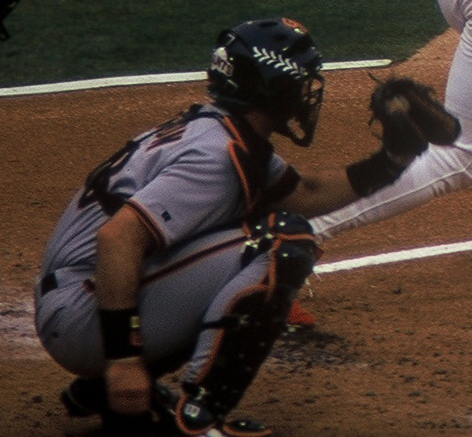
This circus meaning adds a layer of spectacle and physical risk to the word, transforming the simple act of catching into a high-stakes performance. Where the sporting catcher operates within the rules of a game, the circus catcher operates within the grammar of show, where the catch is both the climax and the promise of safety. The word thus bridges the regulated and the theatrical, the team and the duo, the routine and the dare.
The Musical Identity
The name Catchers also belongs to the world of music, specifically to an Irish indie pop band that carries the title as its identity. In this context, the word sheds its athletic and performative connotations entirely and becomes a label for a creative collective rooted in the indie pop tradition. The band's Irish origin places it within a particular musical geography, one that has produced a rich tapestry of independent sound. The choice of the name Catchers for a pop act is notable precisely because the word carries such strong associations with physical reception and athletic positioning.
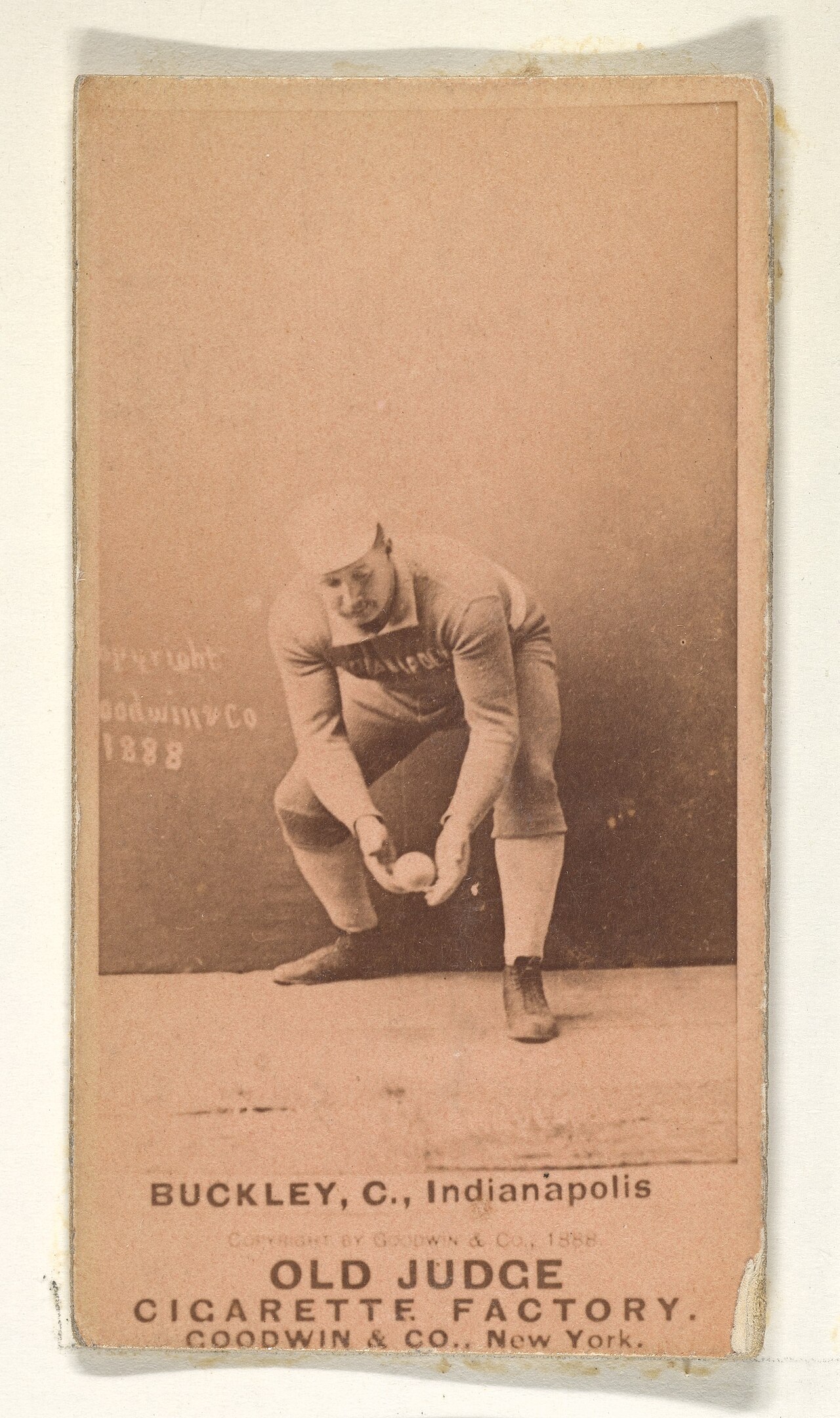
It suggests a band that positions itself as receivers of sound, of influence, of the cultural currents that flow through indie pop. The plural form, Catchers, implies a group effort, a collective act of catching rather than a single individual's feat. This musical meaning broadens the word's reach into the realm of artistic identity, where a name becomes a brand and a statement of creative philosophy. The Irish indie pop band thus adds a cultural and artistic dimension to a term that was previously defined by sport and spectacle.
The Cinematic Echo
The word catcher and its variations have also found their way into cinema, appearing in the titles of films that span genres and decades. The Catcher, a 1998 horror film, was directed by Guy Crawford and Yvette Hoffman, pairing the word with the conventions of the horror genre in a way that evokes suspense and the dread of something being seized or trapped. In a different register entirely, Foxcatcher, a 2014 American true crime sports drama, was directed by Bennett Miller. This film connects the catcher root to the world of sport and real events, blending the factual with the dramatic.
The coexistence of these two cinematic references shows how versatile the word is as a title: it can anchor a horror picture from the late nineties and a sports drama from the mid-2010s. Both films use the word to suggest containment, control, and the act of seizing, whether that means a supernatural threat or a human story of ambition and consequence. The cinematic legacy of the catcher thus spans from genre entertainment to serious drama, demonstrating the word's remarkable narrative flexibility across two very different filmmaking traditions.
Reader's Guide
The Catcher received largely negative reviews. Luisito Joaquín González stated that 'the build up of all these negatives massively outweighed the few good parts.' Rotten Tomatoes gave it 14% on its popcornmeter. Big Daddy's Horror Review gave it one star, describing it as lazy and incompetent.
Vegan Voorhees awarded it a half-star, criticizing the plot, acting, editing, and gore effects. A Slash Above noted that while the death scenes and mystery angle were fun and the direction was decent, the story, editing, lighting, score, and sound mixing left much to be desired. The film is notable for its unusual premise of a baseball-themed slasher and its inclusion of a homosexual assault scene, but it failed to achieve significant cultural impact or critical acclaim.
Did You Know?
- One victim, Billy, is taped to a table and sodomized with a baseball bat.
More in Sports horror films
Sources
Compiled from Wikipedia and the sources listed below. Text from Wikipedia is available under CC BY-SA 4.0; this entry is adapted from it.
- Wikipedia: The Catcher (CC BY-SA 4.0).
Spotted an error? Know more?
Reader corrections go straight into our review queue. Suggest an edit · How this site is sourced