Bulldozer (band)
Italian extreme metal band from Milan, active 1980–1990 and reunited in 2008.
Last updated

Cecil · CC BY-SA 3.0
Bulldozer is an Italian extreme metal band from Milan originally active from 1980 to 1990. They reunited in 2008.
Lore & Background
Bulldozer got their start in Milan in 1980, founded by bassist Dario Carria and guitarist Andy Panigada, with Erminio Galli on drums. They had to call it quits in 1981 because of mandatory military service, but got back together in 1983. This time around, Alberto Contini, known as A.C. Wild, took over bass and vocals, and Don Andras joined on drums.
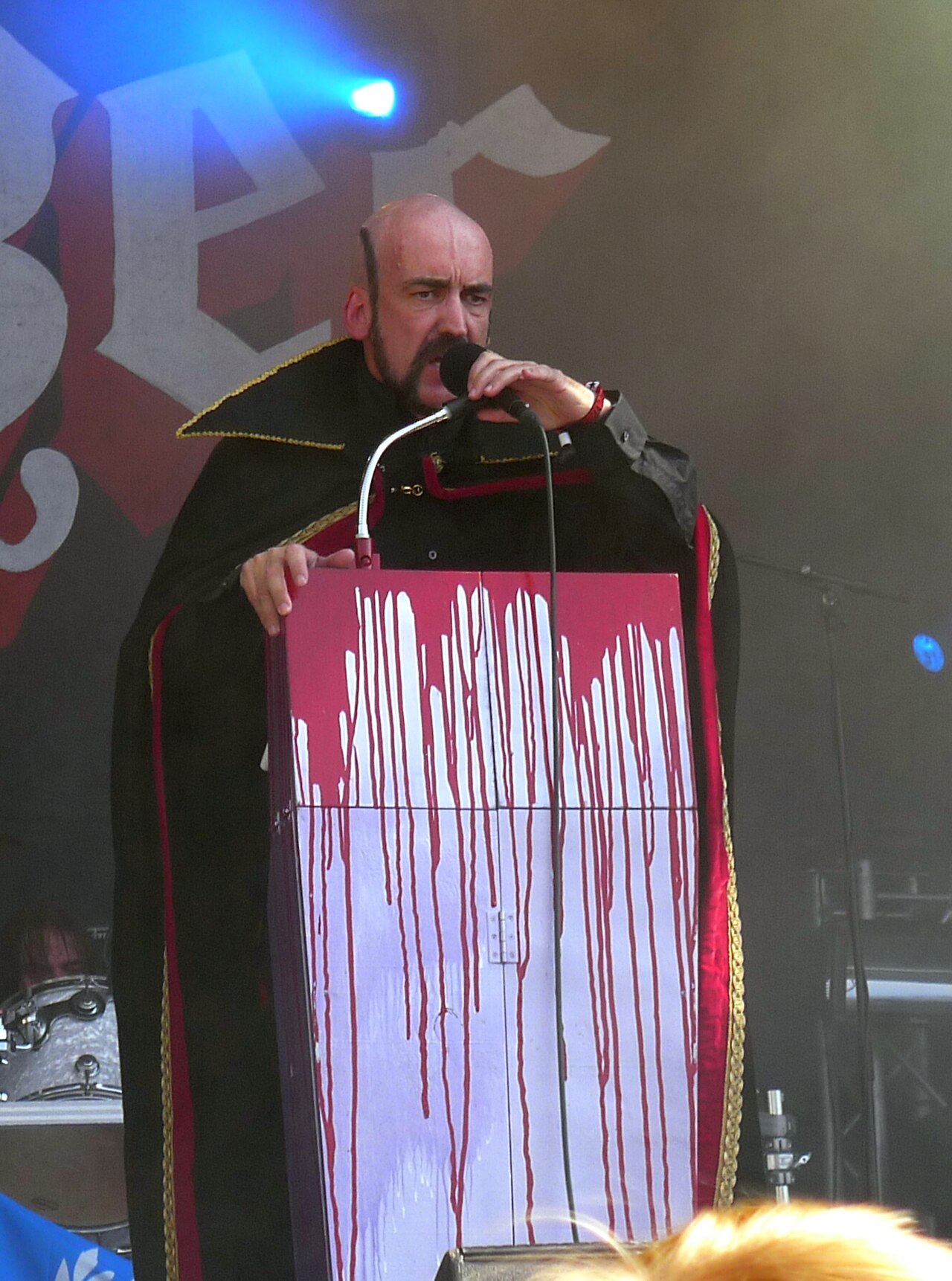
This lineup put out the Fallen Angel demo, later reissued as a 7-inch, plus their debut album The Day of Wrath and its follow-up The Final Separation. Algy Ward from Tank produced The Day of Wrath. The Final Separation marked the end of their deal with Roadrunner Records, who the band felt didn't promote the album well and chose a cover image they thought was cartoonish and ineffective. For the album IX in 1987, Rob Cabrini came in on drums.
That same lineup recorded Neurodeliri in 1988 and was captured live in Poland in 1990 for Alive... in Poland. Their last release was the Dance Got Sick! EP, which Contini mostly put together as a joke.
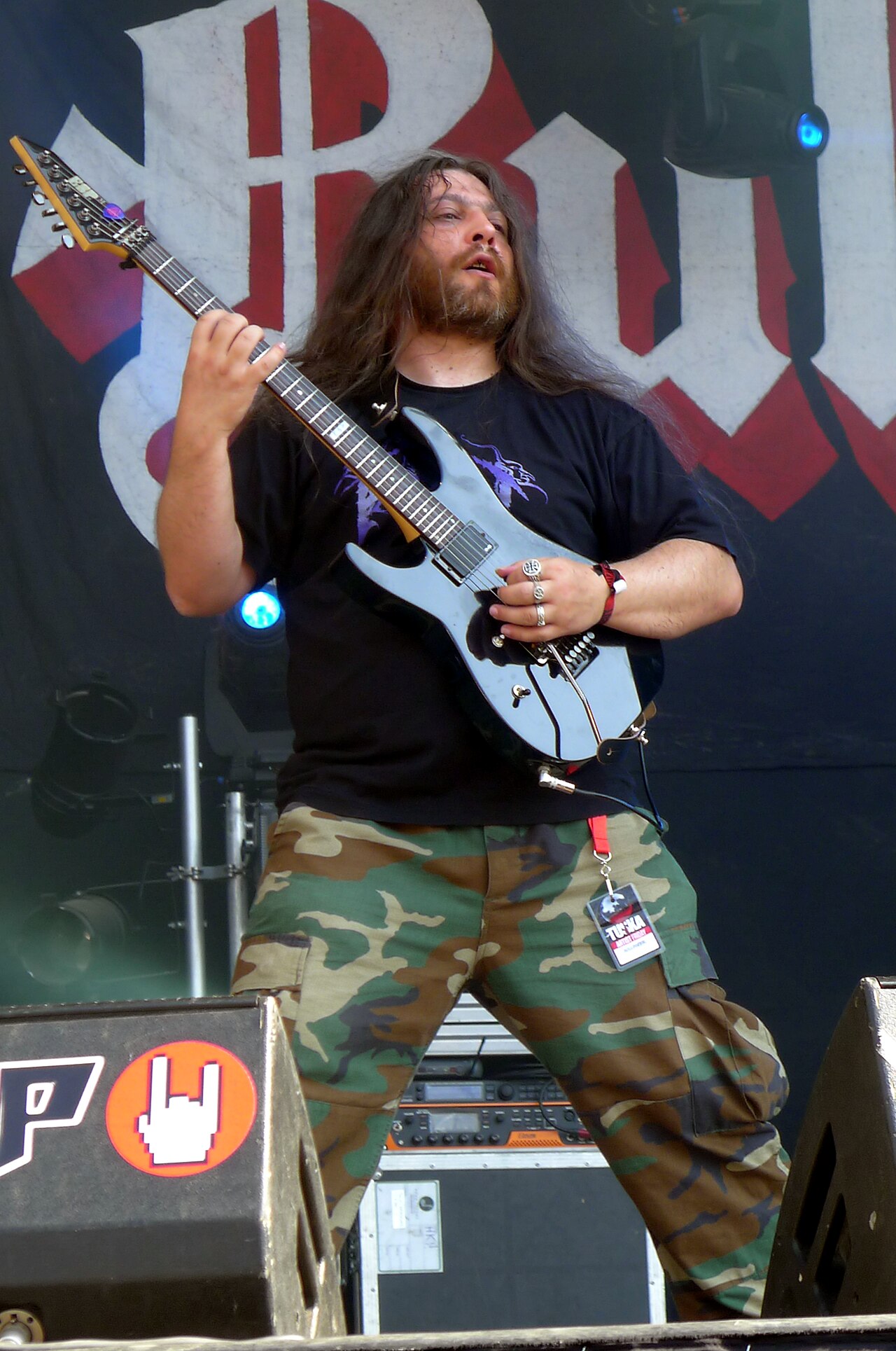
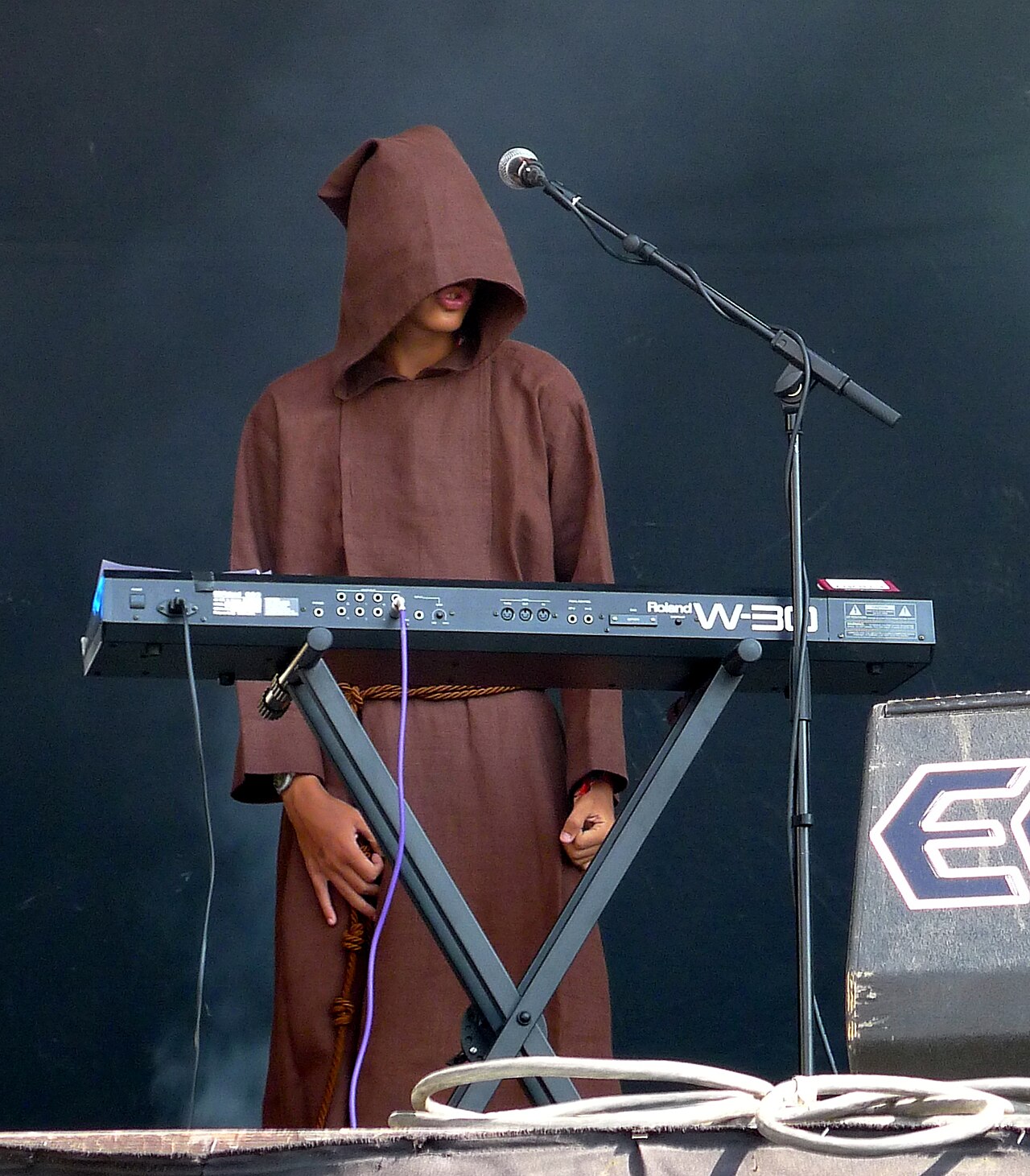
It became a big hit in Japan, leading him to move there and work in music production. In 2004, Darkthrone drummer Fenriz included Bulldozer's song "Whiskey Time" on his compilation Fenriz Presents... The Best of Old-School Black Metal. Polish label Metal Mind Productions collected all five of the band's albums into the box set Regenerated in the Grave in 2006. While touring Japan in 2007, Italian power metal band Labyrinth brought Contini onstage to play Bulldozer classics, and the crowd's reaction sparked reunion talks.
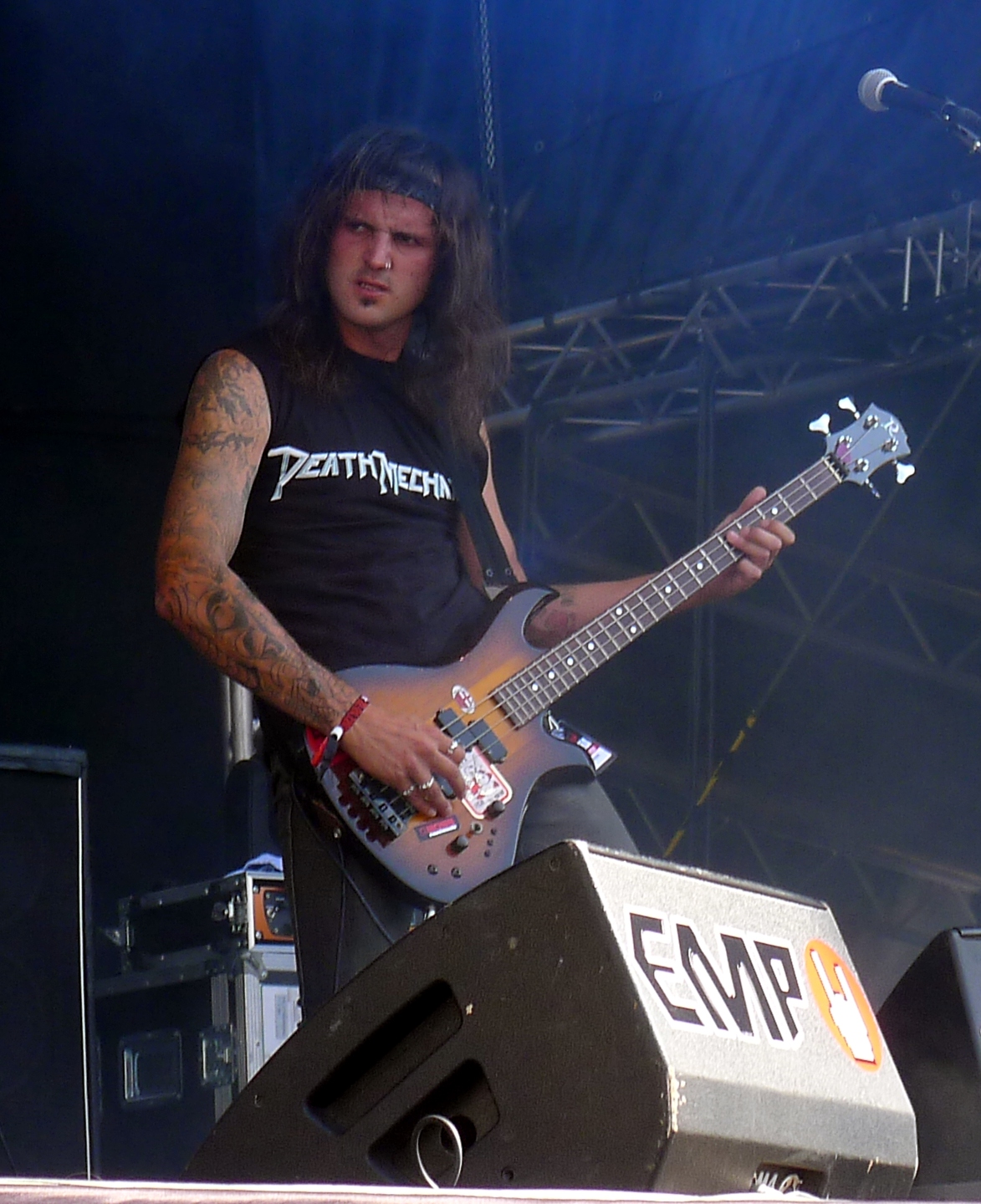
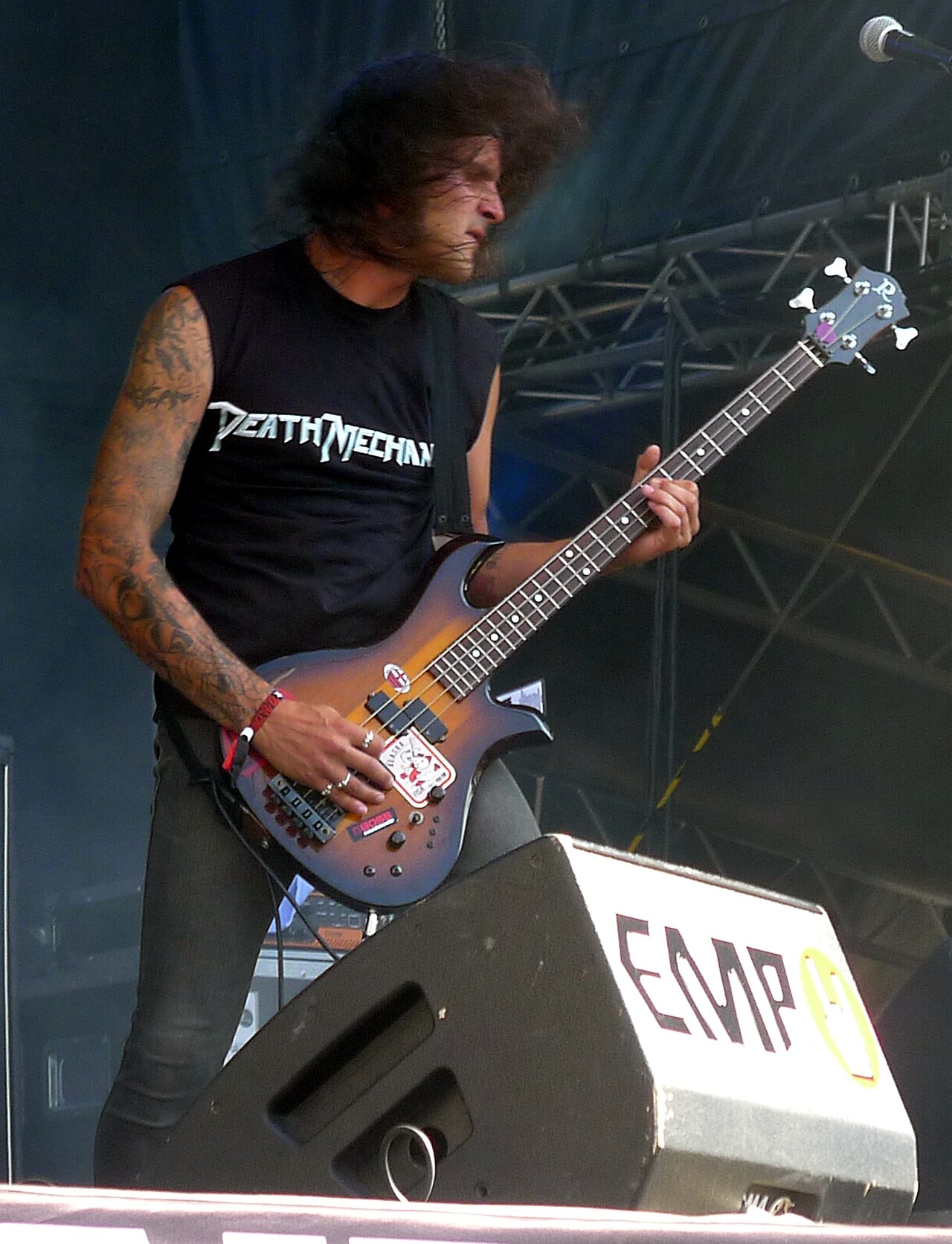
By 2008, both Contini and Panigada confirmed the band was back together. They started work on a new album that August, releasing Unexpected Fate in June 2009 with Death Mechanism drummer Manu as the third member. Bulldozer is scheduled to play at the Hell's Heroes music festival in Houston in March 2026.
The Speed Metal Sound World
Bulldozer operates within a musical tradition that carries a distinctly aggressive and velocity-driven identity. Speed metal, the subgenre most closely associated with this band's sonic territory, emerged as a recognized branch of heavy metal during the latter years of the 1970s. It is not a monolithic style but rather a specific intersection where two powerful musical currents converged: the New Wave of British Heavy Metal and the raw intensity of hardcore punk.
This dual heritage means that the genre simultaneously values the riff-heavy, melodic structures of British metal and the relentless, high-tempo energy of punk. AllMusic has characterized the resulting sound as extremely fast, abrasive, and technically demanding, a description that captures how the genre pushes both performers and listeners toward the upper limits of physical and musical endurance. Any band catalogued within this space, including Bulldozer, inherits an expectation of precision at speed and a refusal to soften the edge of the performance.
Roots in Two Revolutions
The musical DNA of the genre surrounding Bulldozer traces back to two distinct but complementary upheavals in rock history. The New Wave of British Heavy Metal, a movement that reshaped the sound and aesthetics of metal in the late 1970s, provided the structural backbone: driving guitar riffs, powerful vocal delivery, and a sense of epic scale. Hardcore punk, emerging from the same era, contributed the tempo, the brevity, and the confrontational attitude that stripped away excess.
When these two streams merged, the result was a subgenre that demanded technical proficiency without sacrificing raw aggression. The late-1970s timing is significant because it places the origin of this sound at a moment when both source genres were still forming their identities. Bulldozer, as a band situated within this lineage, benefits from a tradition that was never static but rather a living synthesis of two revolutionary impulses in popular music.
Technical Demands and Sonic Identity
What sets the genre associated with Bulldozer apart from broader heavy metal is the uncompromising emphasis on speed and technical execution. AllMusic's assessment of the style as extremely fast, abrasive, and technically demanding is not merely a matter of degree but of philosophy. The music is constructed to challenge the physical limits of its performers, requiring drummers to sustain blistering tempos, guitarists to execute rapid, precise passages, and vocalists to project power at pace without losing clarity.
The abrasiveness speaks to a production and performance aesthetic that favors a raw, unpolished edge over studio sheen. This is not background music; it is a genre that demands active, engaged listening and rewards the audience with a visceral, almost physical experience. For a band like Bulldozer, working within these parameters means every performance is a test of endurance and skill, and the genre's identity is inseparable from the difficulty of its execution.
Place in the Broader Metal Taxonomy
Bulldozer's genre classification sits within a larger organizational framework that music databases and encyclopedias use to map the heavy metal landscape. Speed metal is explicitly identified as a subgenre of heavy metal, meaning it occupies a defined niche within a much wider family of styles. Wikipedia's listing structure groups bands by this specific subgenre while simultaneously cross-referencing them to a broader catalogue of heavy metal bands organized by genre.
This dual placement reflects how the metal community both celebrates subgenre specificity and acknowledges the shared lineage of all metal music. Additionally, the existence of dedicated media collections on Wikimedia Commons for speed metal indicates a community of fans and archivists who document and preserve the visual and auditory artifacts of the scene. For Bulldozer, this taxonomy provides both a precise identity and a connection to the vast, interconnected world of heavy metal.
Reader's Guide
Bulldozer plays thrash/speed metal in the style of Motörhead, Venom, and Tank, initially combined with satanic and occult themes. However, A.C. Wild is not a Satanist, and has stated that his lyrics were merely based on personal experiences. Starting with their second album, keyboards were introduced into Bulldozer's music. On the album IX, the band's original themes were replaced with pornographic lyrics.
Later releases featured typical party themes and social criticism. On Neurodeliri, the band experimented with samples, symphonic elements, and triggered drums. The commercial press ignored or mocked the band. IX caused controversy due to its lyrics, but according to A.C. Wild, they were filled with irony.
In the underground scene, Bulldozer was praised for never softening their sound. Their uncompromising approach later influenced the second wave of black metal. On the 1992 EP Dance Got Sick, produced by a rapper, the band played a mix of metal, rap, and techno. In 2000, a Bulldozer tribute album titled The Bulldozer Armageddon – Volume 1 featured covers by Sabbat (Japan) and Imperial (France), followed by a second volume in 2001 with Abigail (Japan) and Decayed (Portugal).
Did You Know?
- The band's original drummer was Erminio Galli, not someone else as previously claimed.
- The Day of Wrath was released in 1985, not immediately after the demo.
- The Final Separation was released in 1986.
- The Dance Got Sick! EP was released in 1992, but the band had not officially disbanded until 1990, so calling it posthumous is incorrect.
Frequently Asked Questions
Who is Bulldozer (band)?
Bulldozer is an Italian extreme metal band based in Milan, active from 1980 to 1990 and again from 2007 onward. They are recognized for a raw, aggressive blend of thrash and speed metal with black metal undertones, making them one of the earliest Italian acts in that territory.
Who are the key members of Bulldozer?
The most widely cited lineup pairs Alberto 'A.C. Wild' Contini (bass and vocals) with guitarist Andy Panigada. The original 1980 trio also included bassist Dario Carria and drummer Erminio Galli before the group reformed in 1983 with Contini and drummer Don Andras.
What happened to Bulldozer after their initial split?
Mandatory national service forced the original trio apart in 1981, but the band regrouped in 1983 with a new rhythm section and went on to record their best-known material. After going quiet in 1990, the group reunited in 2007 to resume touring and put out new recordings.
More in Speed metal musical groups
Sources
Compiled from Wikipedia and the sources listed below. Text from Wikipedia is available under CC BY-SA 4.0; this entry is adapted from it.
- Wikipedia: Bulldozer (band) (CC BY-SA 4.0).
- Word definitions: the Codexery glossary, each quoted from its Wikipedia article.
Spotted an error? Know more?
Reader corrections go straight into our review queue. Suggest an edit · How this site is sourced