Frequently Asked Questions
The most-asked questions about African brown snapper.
What exactly is the African brown snapper?
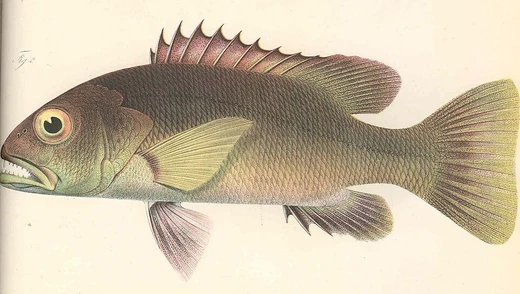
It is a marine fish in the snapper family (Lutjanidae), scientifically named Plectropomus maculatus, recognizable by its elongated brownish body scattered with pale spots. It is one of several closely related Plectropomus species but is the one most associated with East African and Indian Ocean reef systems.
Where can you find it in the wild?
Its range stretches along the coasts of East Africa (Kenya, Tanzania, Mozambique) and across the western Indian Ocean, including the Maldives and Sri Lanka. It typically inhabits coral reefs, rocky outcrops, and mangrove edges at depths of roughly 5 to 100 metres.
How big does it get and what does it look like?
Adults commonly reach 40–60 cm in total length, with larger specimens occasionally exceeding 70 cm. The body is laterally compressed, the head is steeply sloped, and the overall coloration is a warm brown broken up by irregular lighter blotches that help it blend into reef structures.
What does it eat?
It is a carnivorous ambush-and-pursuit predator, feeding mainly on smaller reef fish, shrimp, and other crustaceans. Juveniles tend to hover near reef crevices for prey, while larger adults patrol open water above the reef.
How does it reproduce?
Like most snappers, it is a broadcast spawner: males and females release gamites into the water column, usually near the surface at night or during low tide. There is no parental guarding of eggs or larvae, so survival of young depends on planktonic drift until they settle back onto reefs.
What is its conservation status?
The species is generally assessed as Least Concern by the IUCN because its range is broad and populations appear stable. However, it does face localized pressure from artisanal and commercial fishing, particularly in heavily fished East African waters.
Is it important to fisheries or the economy?
Yes. It is a valued target of both subsistence and commercial reef fisheries across the western Indian Ocean and is also caught by recreational sport anglers. Its firm, white flesh makes it a popular table fish in local and regional markets.
How is it different from other brown or spotted snappers?
The key distinguishing features are the specific pattern and density of pale spots on a uniformly brown background, combined with the shape of the dorsal-fin spines and the steep profile of the head. Fishers and taxonomists often separate it from the similar Plectropomus laevis (laced snapper) by spot size and the number of gill rakers.
Can it be kept in a home aquarium?
In theory yes, but in practice it is challenging: it needs a very large, well-flowed reef tank, a steady supply of live meaty food, and space to swim. Most hobbyists find smaller juvenile specimens more manageable, and the fish tends to outgrow domestic setups within a year or two.
Where should a newcomer start learning more about this species?
A good first step is reviewing the IUCN Red List entry and regional fisheries reports from FAO for the western Indian Ocean, which give baseline biology and catch data. From there, peer-reviewed papers on Plectropomus ecology and local marine-protected-area management plans in Kenya or Tanzania provide practical context on how the species is used and conserved.