The Leaving of Liverpool
A folk lament and capstan shanty collected from two American sailors.
It is well known in Britain, Ireland, and America despite being collected only twice, from Americans Richard Maitland and Captain Patrick Tayluer by folk song collector William Main Doerflinger. The song's narrator laments a long sailing trip to California and the thought of leaving loved ones, pledging to return.
Quick Facts
- Alternative title
- Fare Thee Well, My Own True Love
- Collector
- William Main Doerflinger
- First collected from
- Richard Maitland
- Second collected from
- Captain Patrick Tayluer
- Collection location
- Sailors' Snug Harbor, Staten Island; Seamen's Church Institute, South Street Seaport, Manhattan
Facts from the source article.
History
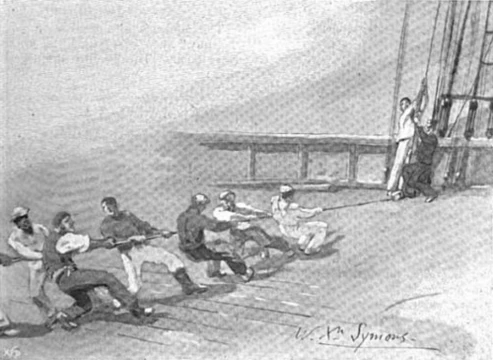
The two versions differ significantly, and the singers gave different accounts. Maitland told Doerflinger it was sung as an off-watch song or forebitter, not a shanty. Tayluer did not say when he learned the song, but he was at sea by 1870, and Doerflinger thought his songs older. Tayluer explicitly described the work done while singing, making it unmistakably a capstan shanty, and Doerflinger noted it as "The Leaving of Liverpool (Capstan Shanty Version)". Liverpool was a natural point of embarkation because it had shipping lines, destinations, infrastructure, and emigration trains directly to The Prince's Landing Stage, mentioned in the song's first line.
Adaptations
Tom Paxton built his song "The Last Thing on My Mind" from the same tune, and many artists later recorded it.
More in Sea Shanties
Spotted an error? Know more?
Reader corrections go straight into our review queue. Suggest an edit · How this site is sourced