
Anthony Perkins
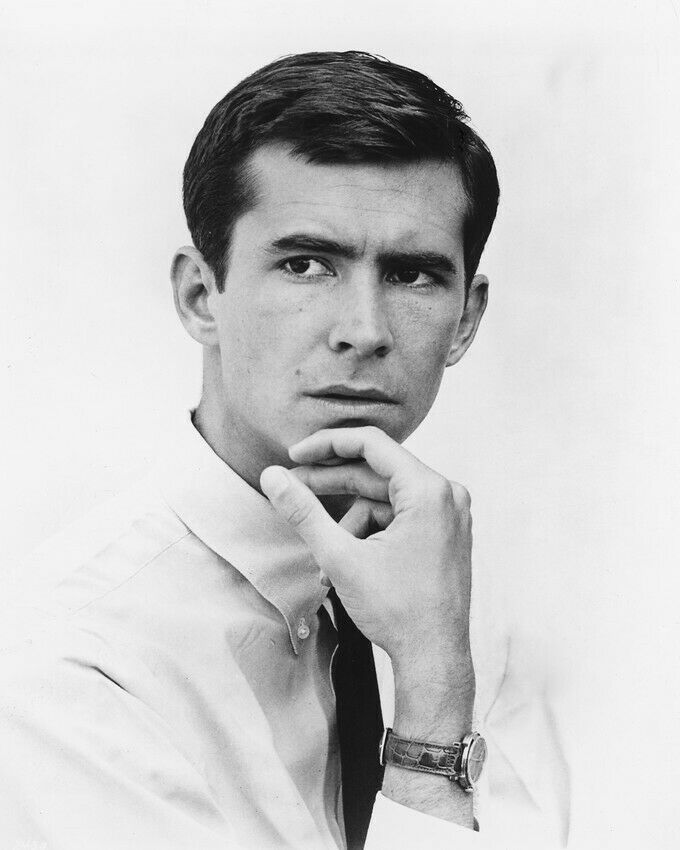
The man behind Norman Bates: from matinee idol to horror icon.

Wikipedia / Wikimedia Commons
Anthony Perkins (April 4, 1932 – September 12, 1992) was an American actor. He is best known for portraying Norman Bates in Alfred Hitchcock's 1960 film Psycho, for which he received a Bambi Award nomination for Best Actor and won the International Board of Motion Picture Reviewers Award for Best Actor.
- born
- April 4, 1932, Manhattan, New York City
- died
- September 12, 1992, from AIDS-related causes
- field
- Actor
- nationality
- American
- known_for
- Portraying Norman Bates in Psycho (1960)
Lore & Background
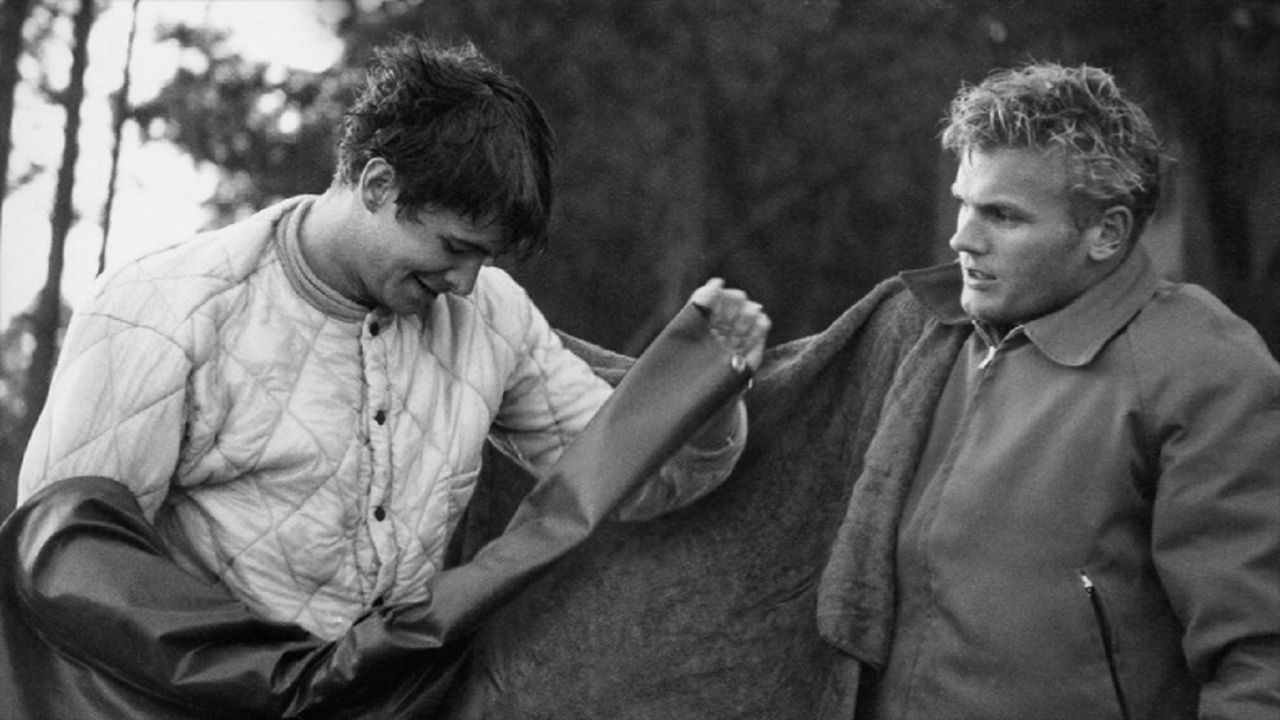
Born in Manhattan, Perkins began his acting career in theatre as a teenager. His first film role was in The Actress (1953). The next year, he debuted on Broadway in Tea and Sympathy, a performance for which he received critical acclaim. In 1956, Perkins played his first major film role in Friendly Persuasion, which earned him the Golden Globe Award for Best New Actor of the Year, the Photoplay Award for Most Promising Male Star, and a nomination for the Academy Award for Best Supporting Actor. Following the film's success, he signed a seven-year contract with Paramount Pictures, where he was regarded as the studio's last matinee idol. In 1957, he starred in Fear Strikes Out. During this period, Paramount promoted Perkins in romantic roles. He also took on more dramatic roles, including the Broadway production of Look Homeward, Angel, for which he was nominated for a Tony Award, and the film On the Beach (1959). Psycho, a horror thriller in which he was cast against type, then profoundly changed his image. Following the success of Psycho, Perkins moved to France and worked for several years in Europe. The first film he made there, Goodbye Again (1961), earned him the Cannes Film Festival Award for Best Actor, a David di Donatello Award for Best Actor, a Bravo Otto nomination for Best Actor, and a second Bambi Award nomination. His other European films include Orson Welles' The Trial (1962). He returned to American cinema with Pretty Poison (1968). Other films include Catch-22 (1970), which earned him a National Society of Film Critics Award nomination for Best Supporting Actor (shared with his role in WUSA, also released in 1970), The Life and Times of Judge Roy Bean (1972), Murder on the Orient Express (1974), Mahogany (1975) and Crimes of Passion (1984). In the later part of his career, Perkins often portrayed troubled, neurotic or mentally unstable characters. He reprised the role of Norman Bates in Psycho II (1983), Psycho III (1986), and Psycho IV: The Beginning (1990). His performance in Psycho III, which he also directed, earned him a Saturn Award nomination for Best Actor. His final acting role was in the NBC television film In the Deep Woods, which aired a month after his death on September 12, 1992, from AIDS-related causes.
Reader's Guide
The source article states that for his role in Friendly Persuasion (1956), Perkins won the Golden Globe Award for Best New Actor of the Year, not 'Most Promising Newcomer – Male'. The entry should reflect the exact award name as given in the source.
Did You Know?
- Perkins was fluent in French due to a French nanny named Jeanne.
- He was nominated for a Tony Award for the Broadway production of Look Homeward, Angel.
- Perkins directed Psycho III, in which he also starred as Norman Bates.
Rise to Stardom and the Matinee Idol Era
Perkins first appeared on screen in The Actress (1953), but it was his 1954 Broadway debut in Tea and Sympathy that first drew critical praise. The true breakthrough arrived in 1956 with Friendly Persuasion, a role that landed him the Golden Globe for Best New Actor of the Year and an Academy Award nomination for Best Supporting Actor. That success led to a seven-year deal with Paramount Pictures, where he was positioned as the studio's final matinee idol. During this stretch, the studio pushed him toward romantic leads, though he also gravitated toward heavier material—his Broadway run in Look Homeward, Angel earned a Tony nomination, and he appeared in On the Beach (1959). He also starred in Fear Strikes Out (1957). This period established him as a serious actor with genuine commercial appeal, a duality that would define his career for decades to come.
Psycho and the Reckoning of Type
When Hitchcock cast Perkins as Norman Bates in Psycho (1960), it was a deliberate act of casting against type for an actor the public knew as a polished romantic lead. The film's cultural shockwave permanently rewired how audiences perceived him. In the aftermath, he left Hollywood and spent several years working in Europe. His first film there, Goodbye Again (1961), earned him the Best Actor prize at the Cannes Film Festival and a David di Donatello award. He also appeared in Orson Welles's The Trial (1962). He eventually returned to American screens with Pretty Poison (1968) and went on to work in Catch-22 (1970), Murder on the Orient Express (1974), and Mahogany (1975). The Psycho shadow never fully lifted, however; in later decades he reprised Bates in Psycho II (1983), Psycho III (1986), and Psycho IV: The Beginning (1990), and even directed the third installment, earning a Saturn Award nomination for Best Actor.
A Childhood Shadowed by Loss
Born in Manhattan in 1932, Anthony Perkins grew up with limited contact with his father, actor Osgood Perkins, who was consumed by his own career. When Osgood died of a heart attack in 1937, five-year-old Anthony was devastated. He later confessed that his childhood jealousy toward his father—wanting him gone so he could have his mother entirely—made him believe his own thoughts had killed the man. For years he nursed the hope his father was still alive, seeing him on film and treating him as a kind of mythic figure to be both feared and placated. A French nanny named Jeanne gave him fluency in French, and his mother's close relationship with aspiring playwright Michaela O'Harra shaped the household's dynamics. After moving to Boston in 1942, his mother worked at the American Theatre Wing's Stage Door Canteen, and Perkins struggled academically, earning the label 'gifted drifter.' His early theatrical spark came through summer stock at the Brattleboro Summer Theater in Vermont, where he took small parts and worked the box office.
Later Work and a Final Curtain
In the latter chapters of his career, Perkins increasingly gravitated toward characters who were troubled, neurotic, or mentally unstable—a natural extension of the psychological darkness Psycho had unlocked in his public identity. He appeared in The Life and Times of Judge Roy Bean (1972) and Crimes of Passion (1984), and was nominated for a National Society of Film Critics Award for Best Supporting Actor for his shared roles in Catch-22 and WUSA, both released in 1970. His final acting role was in the NBC television film In the Deep Woods, which aired just one month after his death. Anthony Perkins passed away on September 12, 1992, from AIDS-related causes, at the age of sixty. His body of work spans nearly four decades, from the polished matinee idol of the mid-1950s to the psychologically complex performer of the 1980s, with Norman Bates remaining the role that both defined and, in many ways, consumed his public legacy.
Gallery
Frequently Asked Questions
Who is Anthony Perkins?
Anthony Perkins was an American actor born in Manhattan in 1932 who became one of cinema's most recognizable faces. He is most widely remembered for his chilling performance as Norman Bates in Alfred Hitchcock's 1960 thriller Psycho.
What role made Anthony Perkins a screen legend?
His portrayal of the disturbed motel clerk Norman Bates in Psycho (1960) cemented his place in film history. The role became so tightly linked to his public identity that it defined how audiences saw him for the rest of his career.
What did Anthony Perkins do before Psycho?
Before Hitchcock cast him, Perkins had already earned critical praise on Broadway and in films such as Friendly Persuasion (1956). He was regarded as a promising young leading man in both stage and screen circles.
How did Anthony Perkins's career change after Psycho?
The overwhelming fame of the Norman Bates role made it hard for Hollywood to see him as anything other than that character. He consequently shifted much of his later work to European productions and continued performing on stage.
When and how did Anthony Perkins die?
Perkins passed away on September 12, 1992, from AIDS-related causes. He was 60 years old at the time of his death.
More in Screen Legends 1-24
Spotted an error? Know more?
This is a living reference — every entry is fact-audited, and reader corrections feed straight into our audit queue. Suggest an edit · See this site's audit record