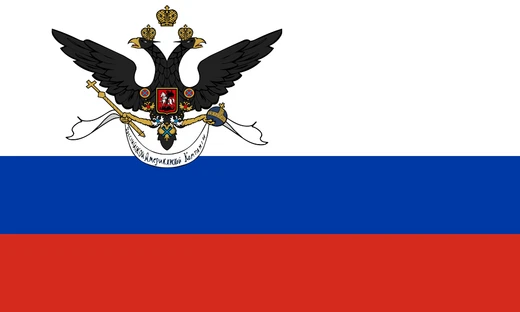
Maritime fur trade
Ship-based fur trade linking Pacific Northwest to China.
Last updated
A ship-based system for obtaining furs from Indigenous peoples of the Pacific Northwest Coast and Alaska Natives defined the maritime fur trade, historically called the North West trade.[1]
Quick Facts
- Nationality
- Russian
- Spanish
- British
- American
- Key products
- Sea otter pelts
- beaver furs
- fur-seal skins
Facts from the source article.
Key facts and history
Sea otter pelts, highly desired in China, Europe, and America, generated the greatest profits.[2] The slow reproductive rate of sea otters left them susceptible to overhunting, bringing them close to extinction.[2] Indigenous communities experienced a swift growth in wealth, alongside more frequent warfare, potlatching, slaving, and population decline from epidemic diseases.[3]
What the cited sources add
The commercial trade began in the 1700s and by the late 19th century effectively wiped out sea otters across much of the Pacific Rim, including Oregon.[4] The British led the rush to trade with Northwest Coast Native Americans for the luxuriant pelts.[4] Americans dominated the trade from the 1790s onward until it petered out due to over-hunting in the mid to late 19th century.[4] Oregon may have been somewhat protected from the international trade by having few harbors big enough for the large European ships.[4]
Long after the maritime fur trade ended, settlers on the Oregon coast still hunted the local sea otters from small boats or from shore.[4]
References
- Wikipedia, "Maritime fur trade" (CC BY-SA 4.0), which cites: Mackie, "Trading Beyond the Mountains: The British Fur Trade on the Pacific 1793–1843", University of British Columbia (UBC) Press, 1997, p. 123 (original not read by us) en.wikipedia.org
- Wikipedia, "Maritime fur trade" (CC BY-SA 4.0), which cites: Berkh, "A Chronological History of the Discovery of the Aleutian Islands: Or, The Exploits of Russian Merchants: with a Supplement of Historical Data on the Fur Trade", Limestone Press, 1974, p. 79; "Brand Book", San Diego Corral of the Westerners., 1973, p. 110; Veltre, "Russian Exploitation of Aleuts and Fur Seals: The Archaeology of Eighteenth- and Early-Nineteenth-Century Settlements in the Pribilof Islands, Alaska", Historical Archaeology, p. 8–17; Arthur Woodward. "Sea Otter Hunting on the Pacific Coast". Publ. University of Ca en.wikipedia.org
- Wikipedia, "Maritime fur trade" (CC BY-SA 4.0), which cites: Reynoldson, "Native Americans: The Indigenous Peoples of North America", Heinemann, 2000, p. 34 (original not read by us) en.wikipedia.org
- "Destruction: The Maritime Fur Trade", Elakha Alliance. facts only, no text reused. elakhaalliance.org
Each numbered sentence above was checked against the source it cites before publication. Sentences citing Wikipedia adapt text from the English Wikipedia article Maritime fur trade (contributors), used under CC BY-SA 4.0; this entry is available under the same licence. Other sources were used for facts only; no text or images are copied from them.
More in Russian colonization of North America
Sources
Compiled from Wikipedia and the sources listed below. Text from Wikipedia is available under CC BY-SA 4.0; this entry is adapted from it.
- Wikipedia: Maritime fur trade (CC BY-SA 4.0).
Spotted an error? Know more?
Reader corrections go straight into our review queue. Suggest an edit · How this site is sourced