Boris Pasternak
Russian poet, novelist, and translator of Doctor Zhivago.
Last updated

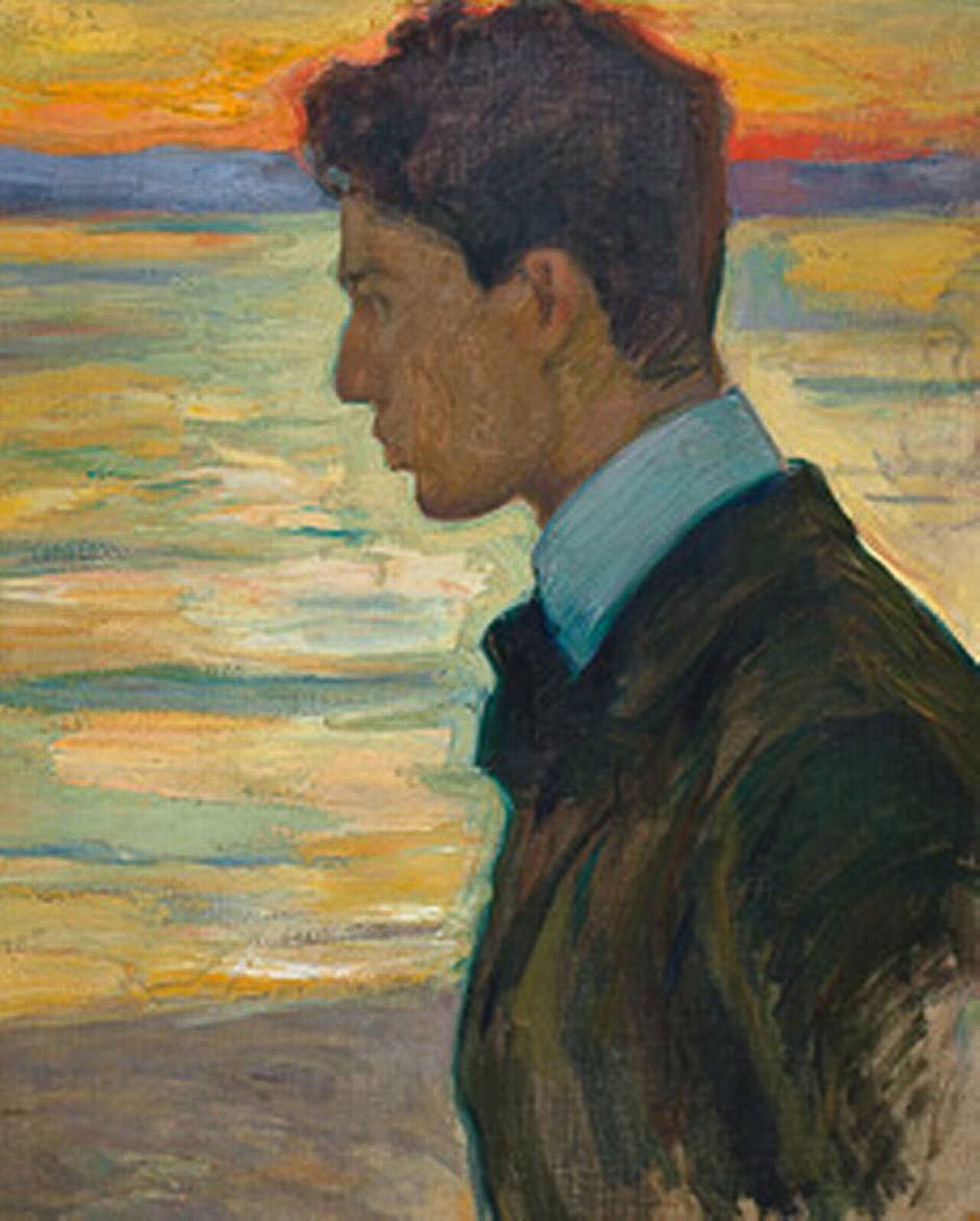
L.Pasternak · Public domain
The 1958 Nobel Prize in Literature was given to Pasternak, but the Soviet Communist Party compelled him to refuse it.[1]
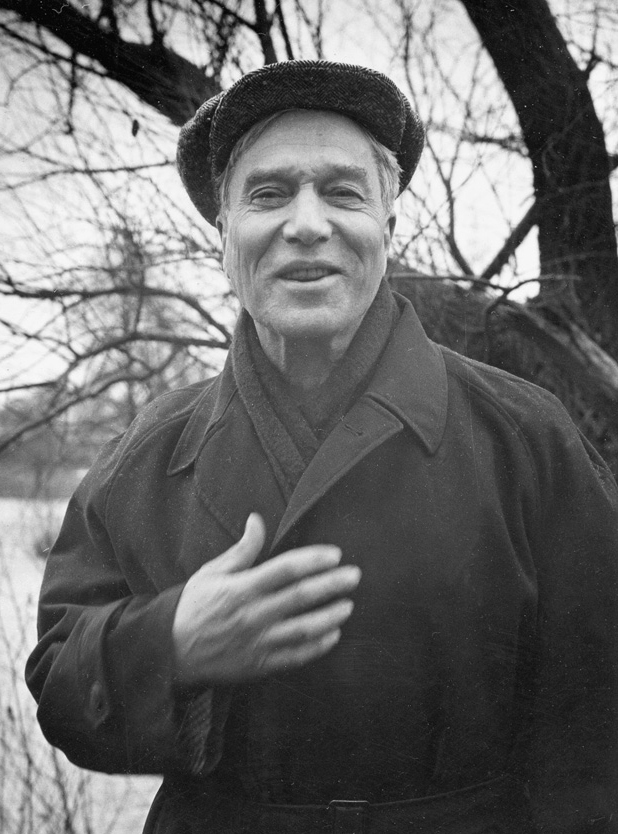
Life and work
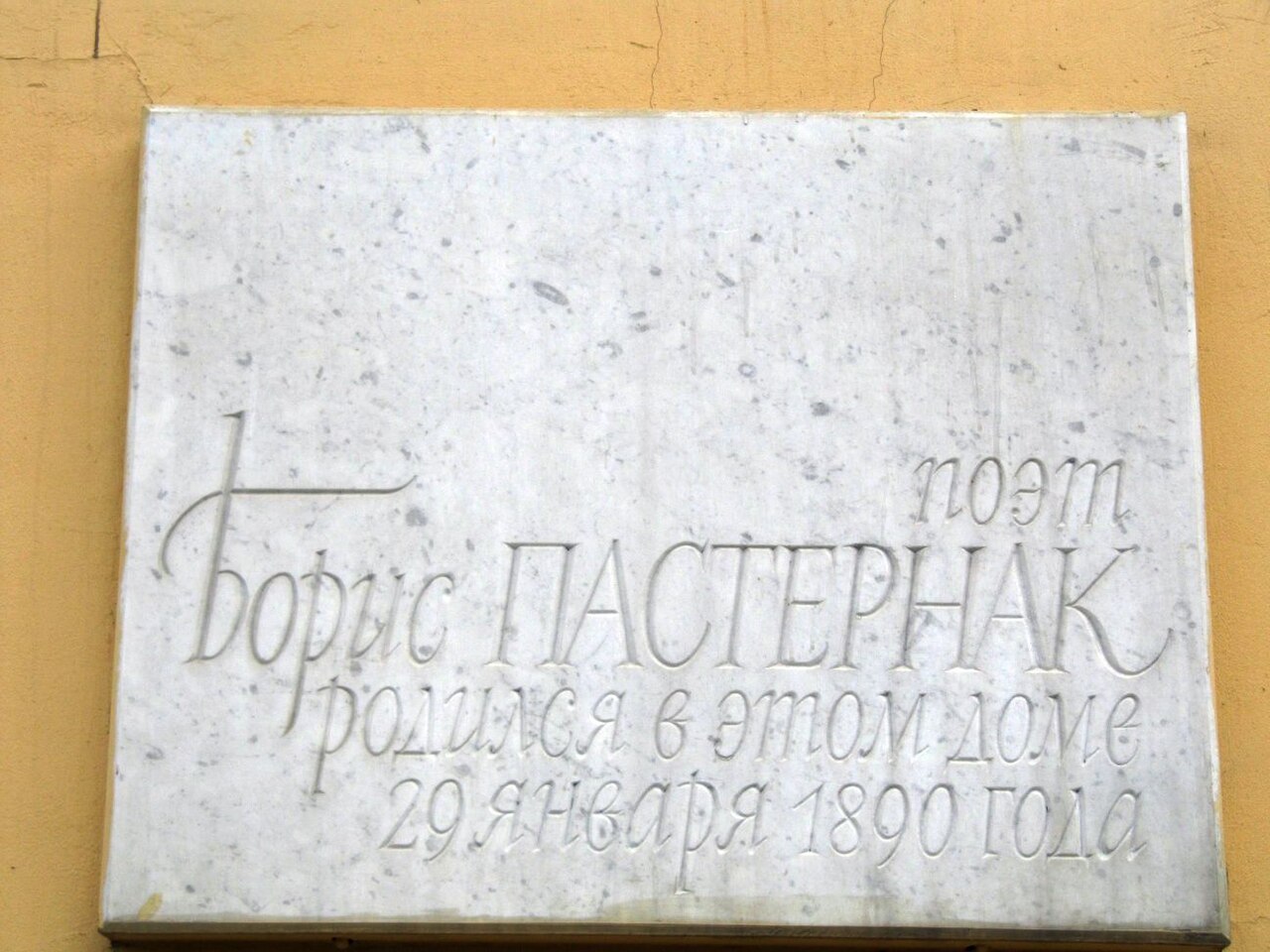
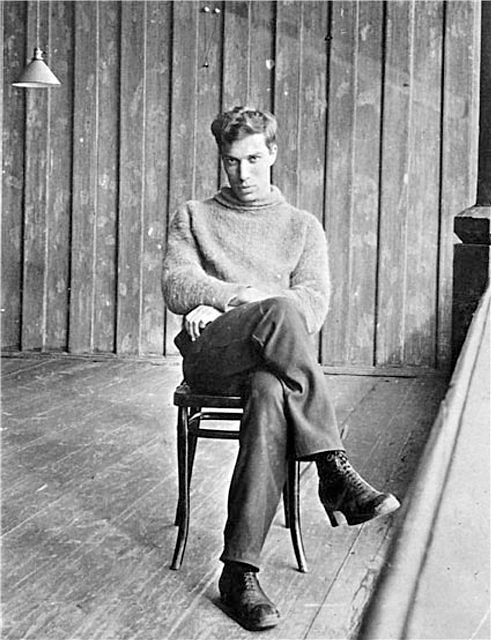
Pasternak was born in Moscow into a wealthy Jewish family; his father was the painter Leonid Pasternak and his mother was concert pianist Rosa Kaufman.[2][3] The family claimed descent from the 15th-century philosopher Isaac Abarbanel.[3] Novelist Leo Tolstoy was a close family friend, and Pasternak’s father illustrated Tolstoy’s works.[4][5] He joined the Russian Futurist group Centrifuge as a pianist, and his earliest poems appeared in their journal Lirika.[6]
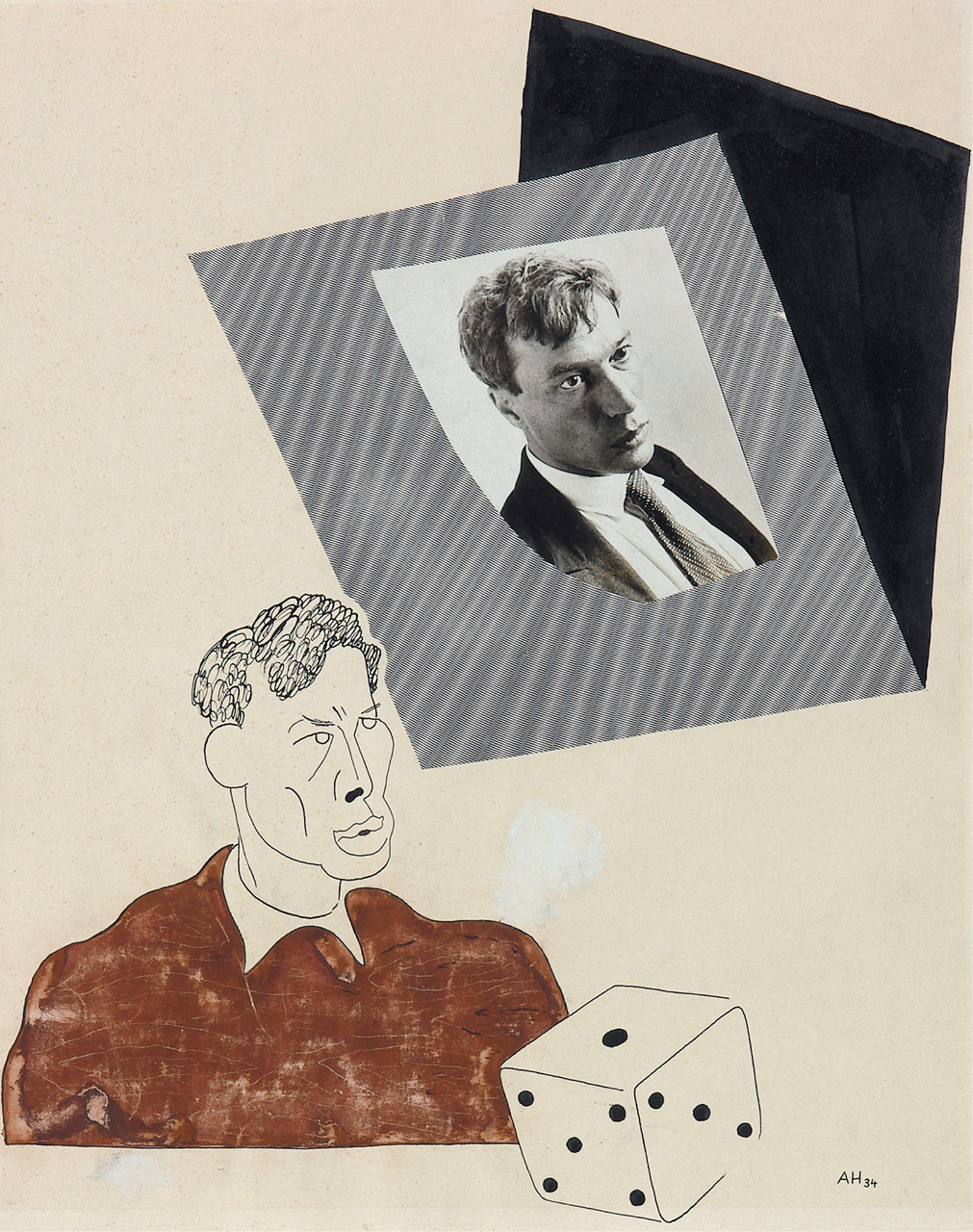
During World War II, he served as a fire warden on the roof of his building and later visited soldiers at the front.[7] Pasternak died from lung cancer on May 30, 1960.[8] Pasternak's initial ambition was music, and he spent a short time as a student at the Moscow Conservatory after being influenced by Scriabin.[9] During the latter part of the 1920s, Pasternak joined a well-known exchange of letters involving Rilke and Marina Tsvetayeva.[10][11]
What the cited sources add
The same source states that during World War I, Pasternak worked as a private tutor and at a chemical factory in the Ural Mountains.[8] The biography also reports that Pasternak became a translator of Shakespeare, Goethe, and Rilke when unable to publish his own poetry.[8] John Bayley’s review in The New York Review of Books describes how Pasternak treasured two letters from Rilke in his wallet until the end of his life.[11] Bayley also notes that Pasternak’s father introduced Rilke to Tolstoy.[11]
References
- Wikipedia, "Boris Pasternak" (CC BY-SA 4.0), which cites: «Не читал, но осуждаю!»: 5 фактов о романе «Доктор Живаго» 18:17, 23 October 2013, Елена Меньшенина. (we also read that source) en.wikipedia.org
- Wikipedia, "Boris Pasternak" (CC BY-SA 4.0), which cites: "Boris Leonidovich Pasternak Biography", Jewishvirtuallibrary.org (we also read that source) en.wikipedia.org
- Wikipedia, "Boris Pasternak" (CC BY-SA 4.0), which cites: "Boris Pasternak: A Literary Biography", Cambridge University Press, 2004, p. 2 (we also read that source) en.wikipedia.org
- Wikipedia, "Boris Pasternak" (CC BY-SA 4.0), which cites: Pasternak (1959), p. 25. (original not read by us) en.wikipedia.org
- Wikipedia, "Boris Pasternak" (CC BY-SA 4.0), which cites: Pasternak (1959), pp. 27–28. (original not read by us) en.wikipedia.org
- Wikipedia, "Boris Pasternak" (CC BY-SA 4.0), which cites: Christopher Barnes, "Boris Pasternak: a Literary Biography", Cambridge University Press, 2004, p. 166; Vladimir Markov, "Russian Futurism: a History", University of California Press, 1968, p. 229–230 (original not read by us) en.wikipedia.org
- Wikipedia, "Boris Pasternak" (CC BY-SA 4.0), which cites: Ivinskaya, pp. 72–73. (original not read by us) en.wikipedia.org
- "Boris Leonidovich Pasternak Biography", Jewishvirtuallibrary.org. facts only, no text reused. jewishvirtuallibrary.org
- Wikipedia, "Boris Pasternak" (CC BY-SA 4.0), which cites: Boris Pasternak (1967), "Sister, My Life". Translated by C. Flayderman. Introduction by Robert Payne. Washington Square Press. (original not read by us) en.wikipedia.org
- Wikipedia, "Boris Pasternak" (CC BY-SA 4.0), which cites: John Bayley, "Big Three", The New York Review of Books, 5 December 1985 (we also read that source) en.wikipedia.org
- John Bayley, "Big Three", The New York Review of Books, 5 December 1985. facts only, no text reused. nybooks.com
Each numbered sentence above was checked against the source it cites before publication. Sentences citing Wikipedia adapt text from the English Wikipedia article Boris Pasternak (contributors), used under CC BY-SA 4.0; this entry is available under the same licence. Other sources were used for facts only; no text or images are copied from them.
Also in the Codexery
More in Russian And Soviet Writers
Sources
Compiled from Wikipedia and the sources listed below. Text from Wikipedia is available under CC BY-SA 4.0; this entry is adapted from it.
- Wikipedia: Boris Pasternak (CC BY-SA 4.0).
Spotted an error? Know more?
Reader corrections go straight into our review queue. Suggest an edit · How this site is sourced