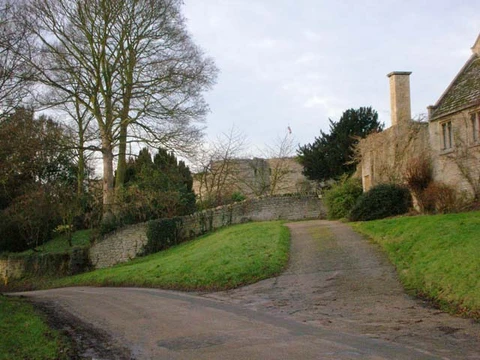
Newark Castle, Nottinghamshire
A medieval castle slighted after the English Civil War and later restored.

via Wikipedia: Newark Castle, Nottinghamshire · see source
Newark Castle, in Newark-on-Trent in the English county of Nottinghamshire, was founded in the mid 12th century by Alexander, Bishop of Lincoln. Originally a timber castle, it was rebuilt in stone towards the end of the century. The castle was slighted (dismantled) in the 17th century as a result of the English Civil War, and restored in the 19th century, first by Anthony Salvin in the 1840s and then by the corporation of Newark who bought the site in 1889.
Quick Facts
- Location
- Castle Gate, Newark, Nottinghamshire, NG24 1AZ
- Built
- 12th Century
- Architect
- Anthony Salvin
Facts from the source article.
History
A charter from around 1135 records King Henry I giving the Bishop of Lincoln the go-ahead to build a castle. Bishop Alexander also set up a mint there. The first version was probably made of timber, with a stone replacement going up near the end of the 1100s. During the First Barons' War, on 29 August 1216, King John ordered the castle to be destroyed, but he later cancelled that order.
John died at Newark Castle on the night of 18 October 1216, reportedly from dysentery after eating too many peaches. The castle was deliberately wrecked in 1648 and left to fall apart. Architect Anthony Salvin carried out repairs from 1845 to 1848, and in 1889 the town corporation bought the site and did more restoration. It is now a scheduled monument and a Grade I listed building, first listed in 1950.
The Gilstrap Heritage Centre, once on the grounds with displays on the castle and the town's English Civil War history, now serves as the Newark Registration Office. You can visit the gardens for free, and the Castle Ranger leads tours.
More in Ruined Castles in England
Spotted an error? Know more?
Reader corrections go straight into our review queue. Suggest an edit · How this site is sourced