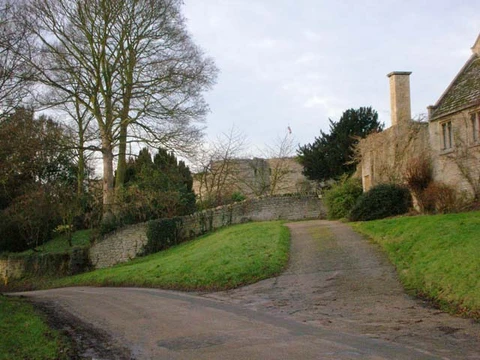
Benington Castle
Ruined motte-and-bailey castle in Hertfordshire, slighted by Henry II.

via Wikipedia: Benington Castle · see source
Benington Castle, a ruined fortification in the Hertfordshire village of Benington near Stevenage, has been a scheduled monument since 1936. The original motte-and-bailey structure was established in the late 11th or early 12th century by Peter de Valognes. In 1136, Roger de Valognes replaced it with a stone castle featuring a keep. King Henry II ordered the tower demolished in 1177, one of at least 21 such slightings according to historian Sidney Painter. The castle was back in use by 1192, but was permanently destroyed in 1212 following Robert Fitzwalter’s rebellion against King John. Today, only the keep’s foundations and some earthworks survive. The site later became part of Benington Lordship, a Georgian house, and in 1832 George Proctor added a neo-Norman gatehouse, summerhouse, and curtain wall.
Quick Facts
- Scheduled monument since
- 1936
- Founded by
- Peter de Valognes
- Stone castle built
- 1136
- Slighted by order of
- King Henry II
- Year slighted
- 1177
- Finally destroyed
- 1212
- Rebellion associated with
- Robert Fitzwalter against King John
Facts from the source article.
Benington Lordship
The site of the castle has been modified by the construction of a Georgian house, Benington Lordship, and the landscaping of its gardens. In 1832, George Proctor added a neo-Norman gatehouse, summerhouse and curtain wall. The park and gardens of Benington Lordship are listed as Grade II on the Register of Parks and Gardens. The gardens occupy 7 acres and have been praised by the gardening correspondent of the Financial Times. A stream which has been dammed appears to have formed part of the medieval defences, but its present appearance is the result of later landscaping.
More in Ruined Castles in England
Spotted an error? Know more?
Reader corrections go straight into our review queue. Suggest an edit · How this site is sourced